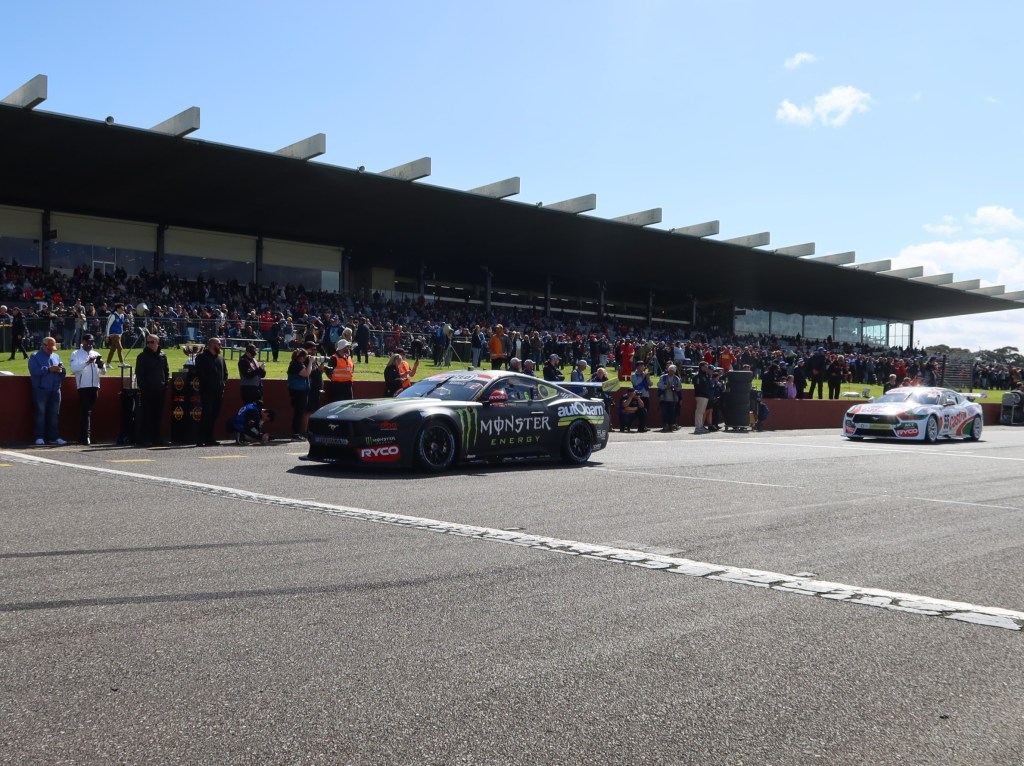
A lot of things have changed in the last 20 years. The internet is more prevalent than ever, phones are used for everything but phone calls and you can get McDonald’s delivered to your house. However one thing that hasn’t changed is my obsession with motor racing and the place where it all started was Sandown Raceway. Yes, endurance season is upon us once again. The Sandown 500 has been on and off the calender for many years, amidst the constant talk of closure for the venue that was built in 1962. Going to Sandown to watch the Supercars is one of the highlights of my year, and this time was no different. I was treated to a fantastic race that had all the hallmarks of an endurance classic – strategy, chaos, calamity, woe, and class from our best talents. 500KM and 3 and half hours of racing isn’t much compared to the 24 Hours Of Le Mans, but trust me, the Sandown 500 offers great bang for buck, as I will now attempt to demonstrate.
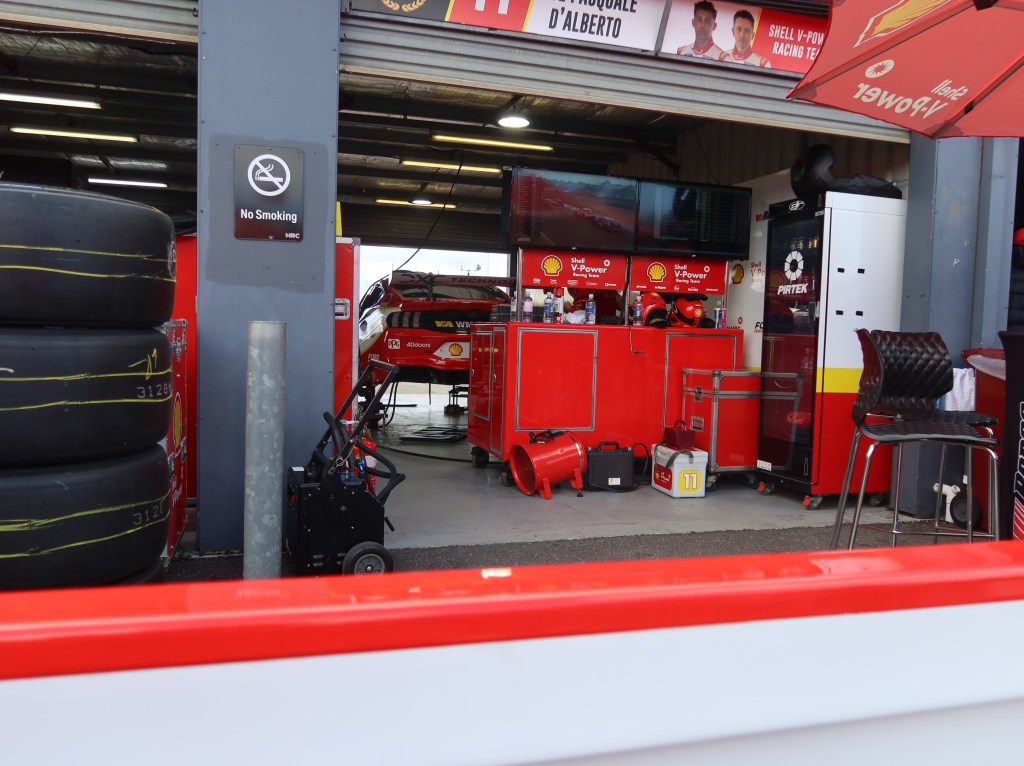
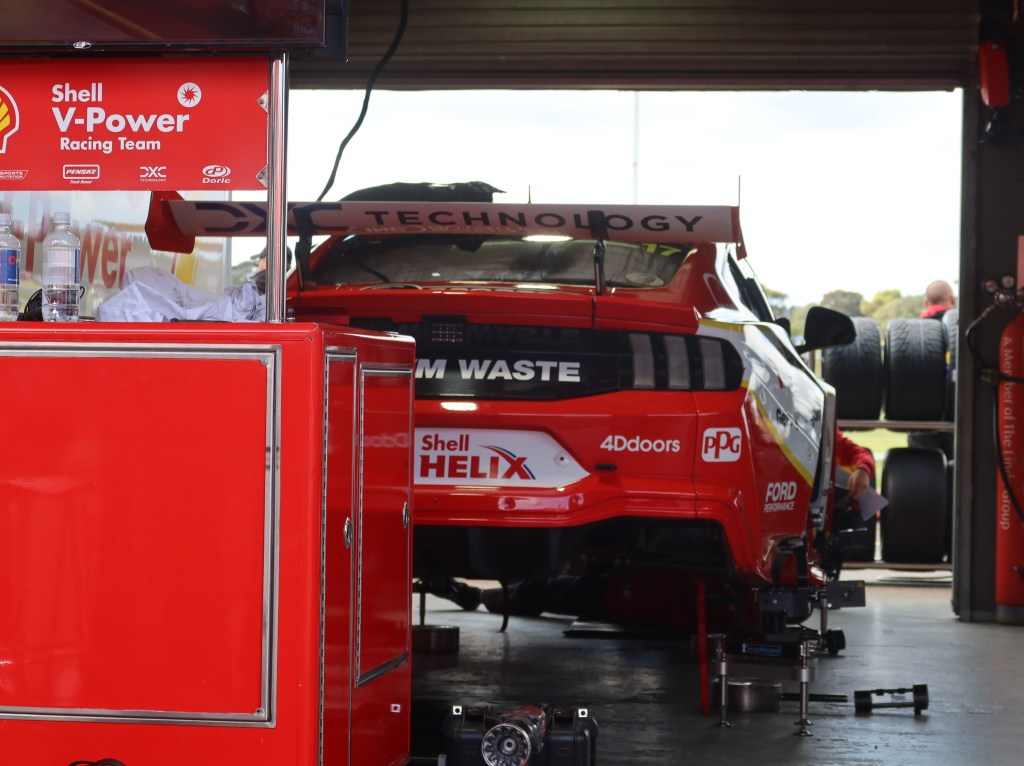

Let’s just cut straight to it and head into the paddock to see (or rather not see) the team garages and cars from the support categories. Getting into it is a bit of a squeeze but once you’re in, it’s easy peasy to work your way through. Supercars is way more corporate these days so all you can really do is peak into the inner sanctum of each team and see stacks of tyres. However one team who seemed a little more open was Dick Johnson Racing, or Shell V-Power Racing as it’s officially known. Not many people were hanging around and I wasn’t able to see any drivers, but taking a look behind the scenes is obligatory for a race fan like me.
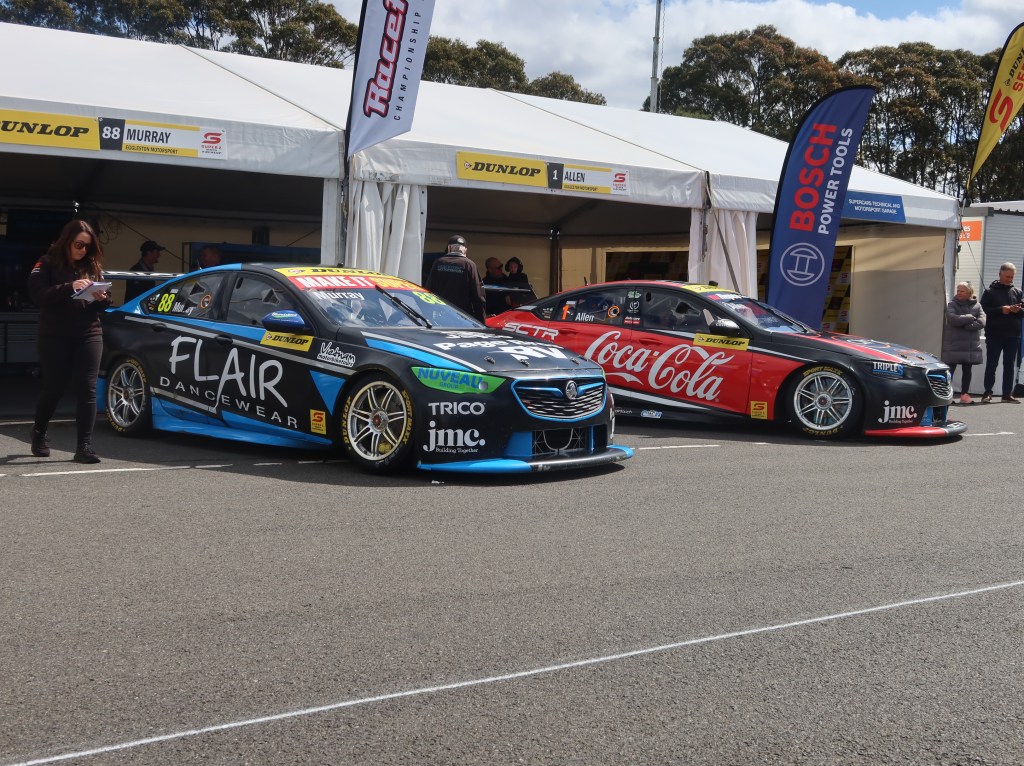
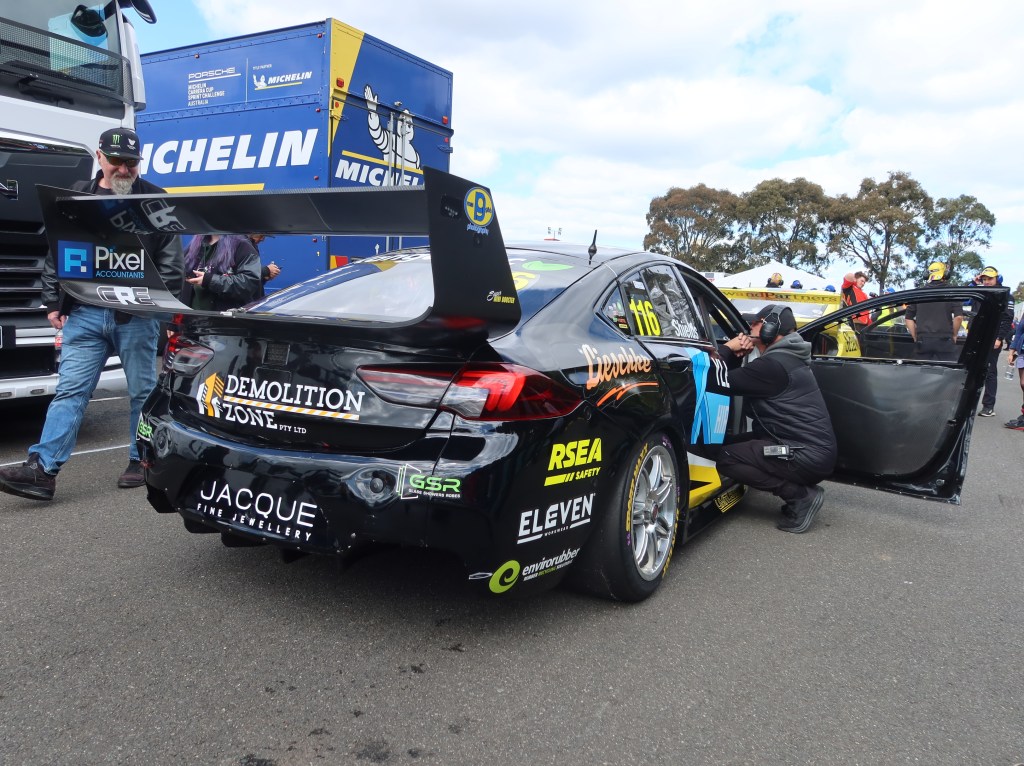
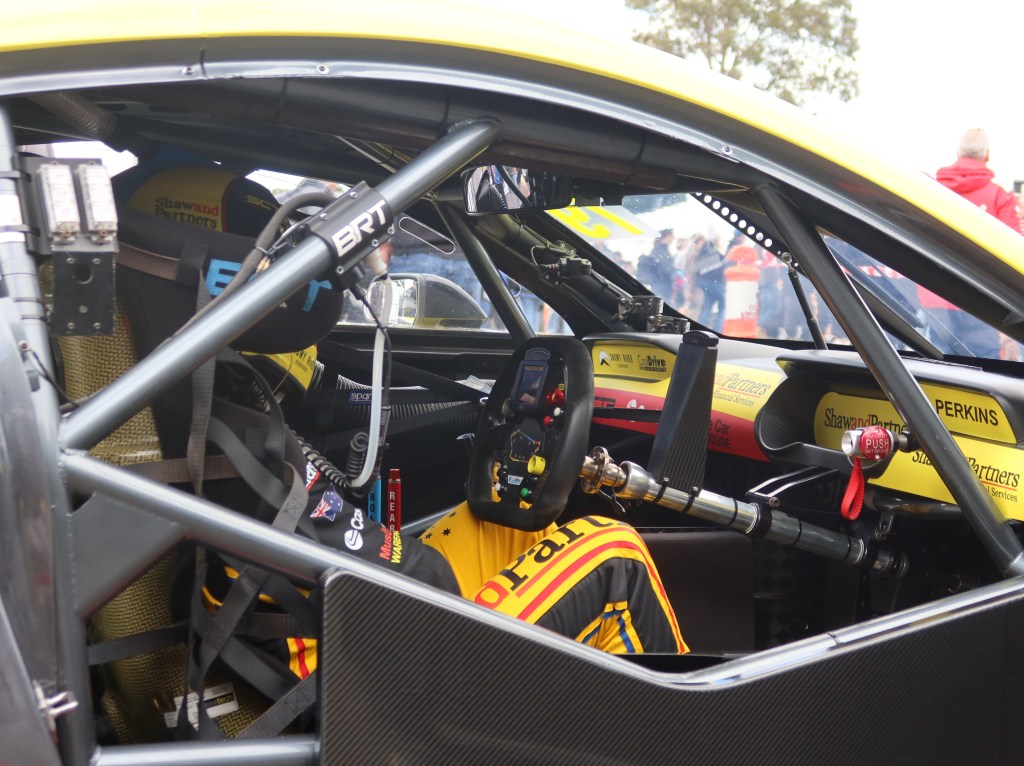
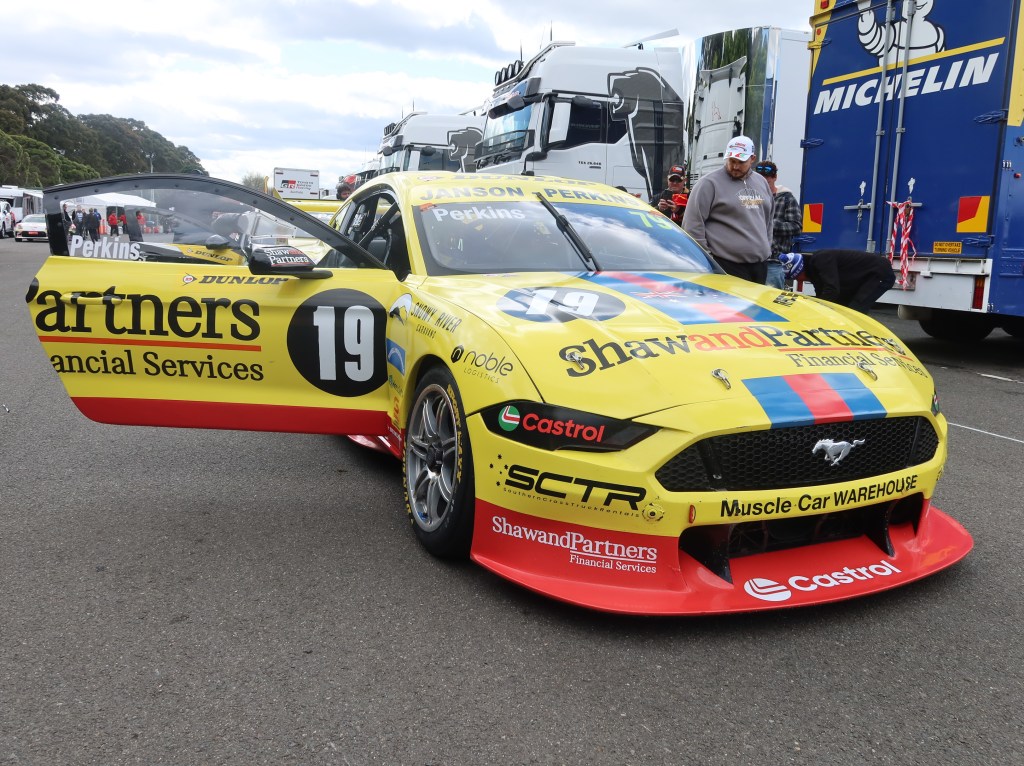
Before the main gig, the combined Super2 and Super3 field for the previous-gen Supercars headed out for a 40 minute sprint race. I was in the paddock as they lined themselves up on the dummy grid – a unique Sandown thing that no other track has. Instead of driving out of the garages like the main game competitors, the cars drive out through a gate at the end of the pit building, turn right onto the pit exit and then the race track proper. Hearing the cars fire up and move out is a special part of the Sandown experience that never gets old. The race itself wasn’t utter chaos like some of the past races, but that isn’t a bad thing because despite being the older cars, the Gen 1 and Gen 2’s are just as fast the Gen 3’s, if not faster despite the drivers being less experienced on the whole – except Jack Perkins who has racked up plenty of KM’s over the years. The category’s position on the schedule as the curtain raiser for the 500 provides a lot of exposure for the young stars, as the grandstand gradually fills for the beginning of the big race. People had also set up deck chairs on the grass, making for a strong crowd that looked bigger than last year. Hopefully the turnout convinces Supercars to add the race onto the 2025 schedule. The fact that it isn’t already there is a shame.
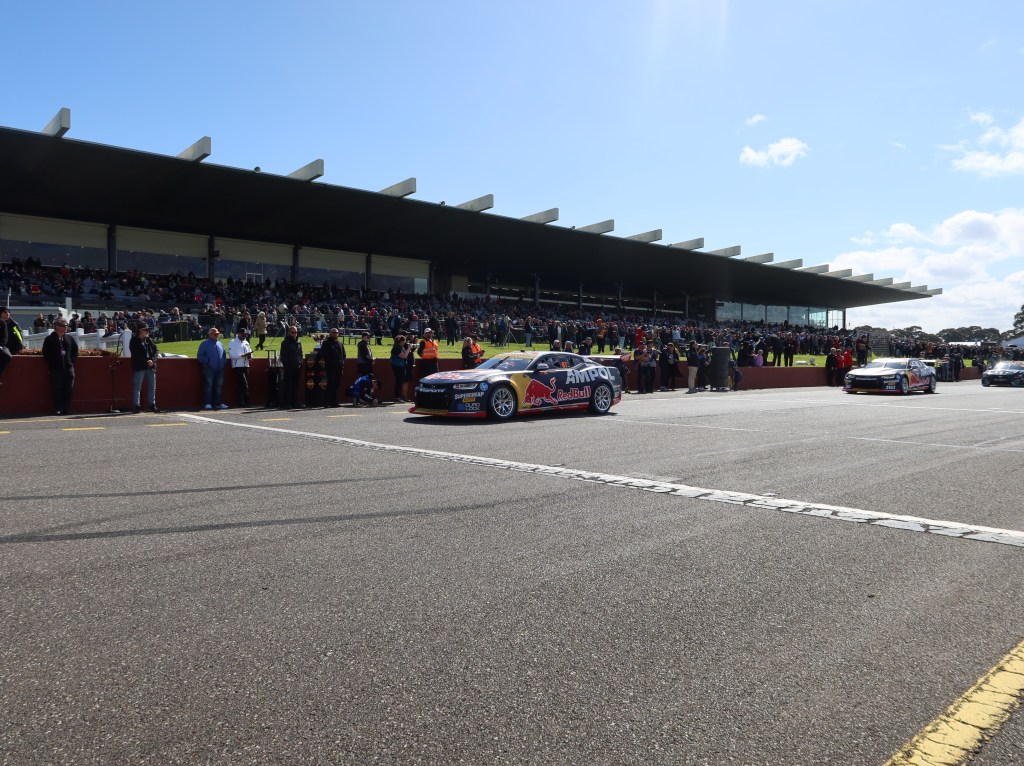
After the Super2 and Super3 race, I got onto the grid to see the Supercars roll out onto the track and park up ready to start the 500, with all the main game drivers in them due to a quite frankly stupid ruling where the co-driver is unable to start the race. This was brought in to prevent the chaos that occurred at the start of the 2022 Bathurst 1000, but in my eyes it kills another strategy element that makes endurance racing exciting. Pushing that aside though, let’s take a look at a few of the competitors.
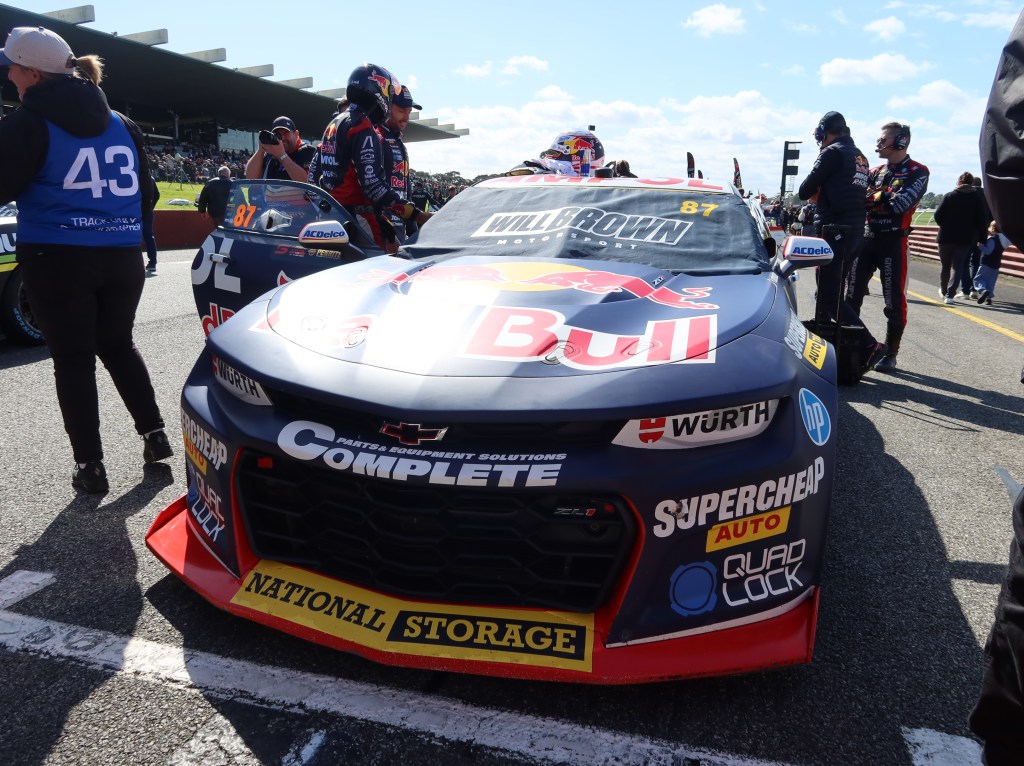
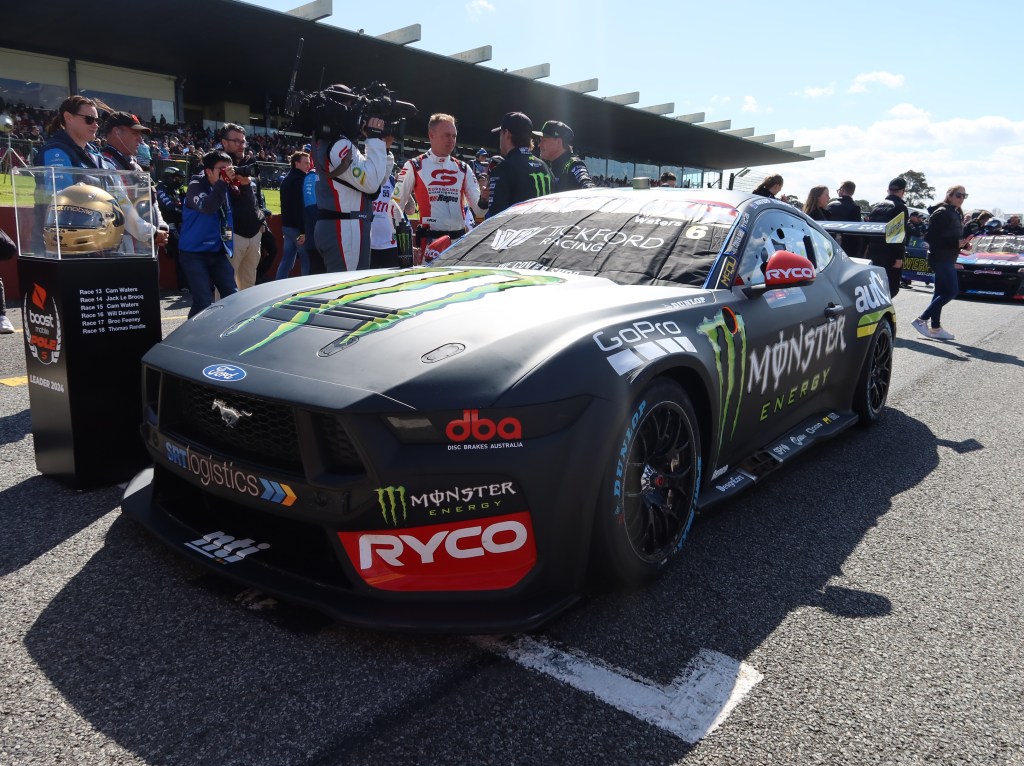
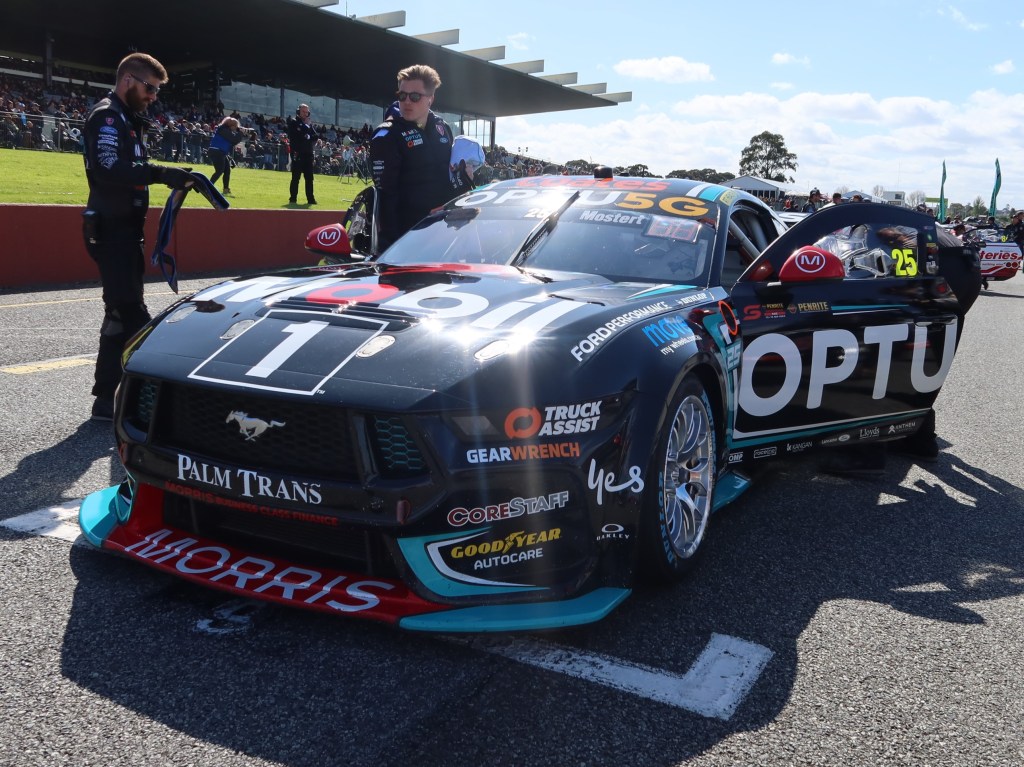
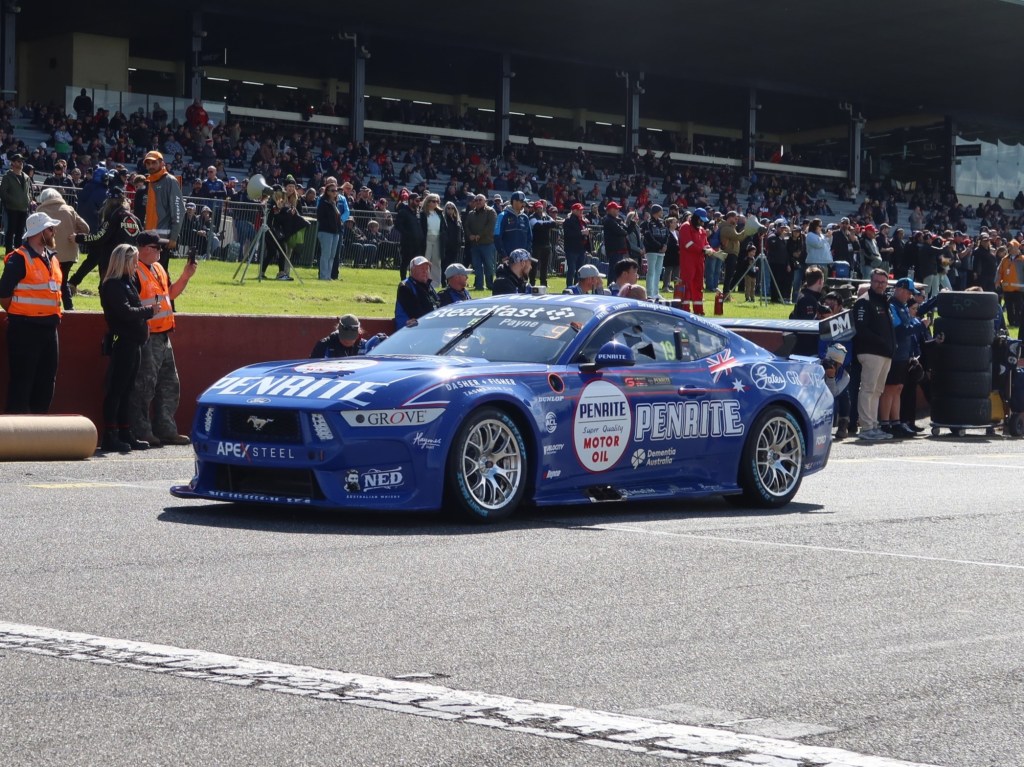
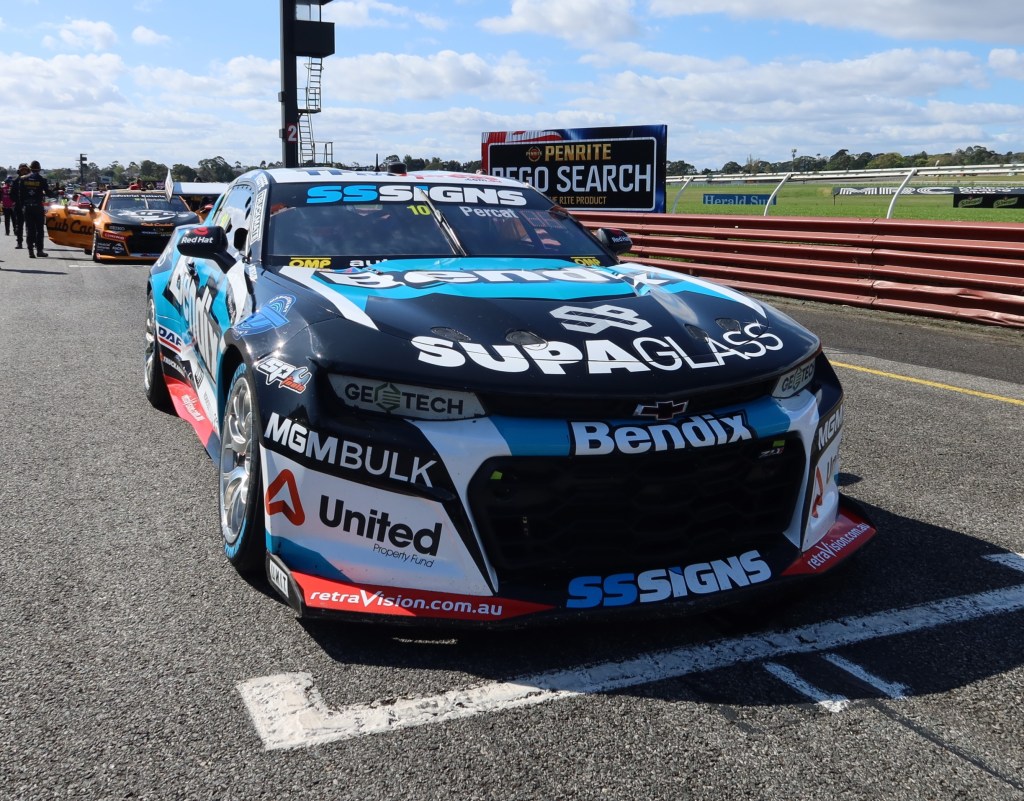
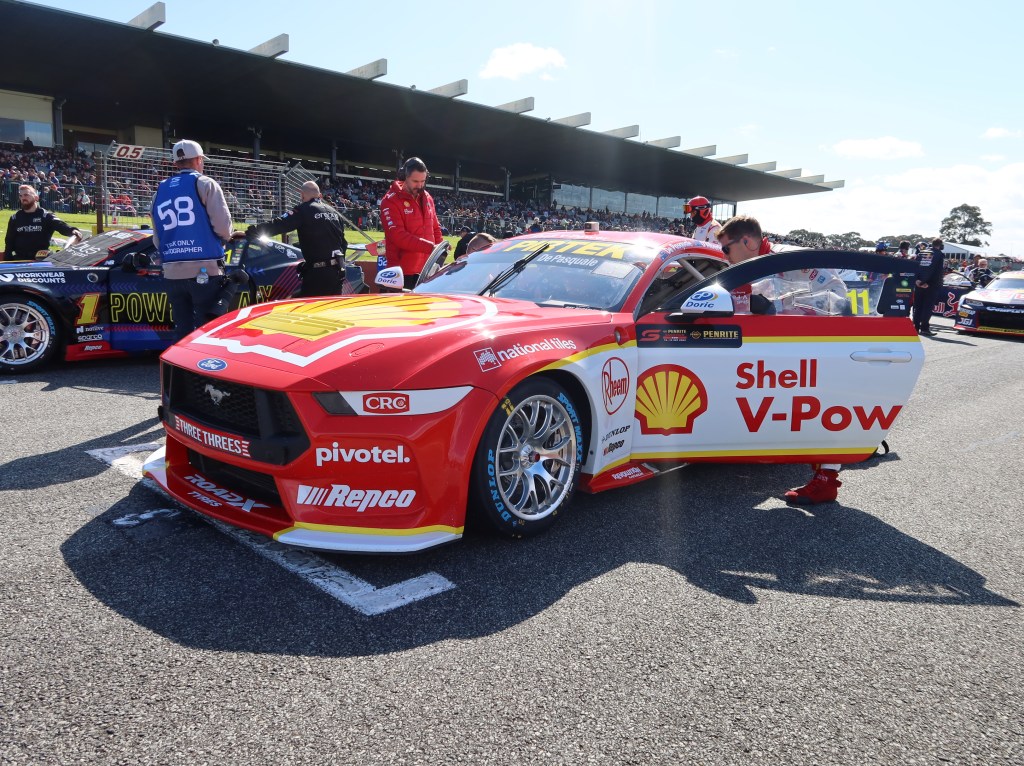
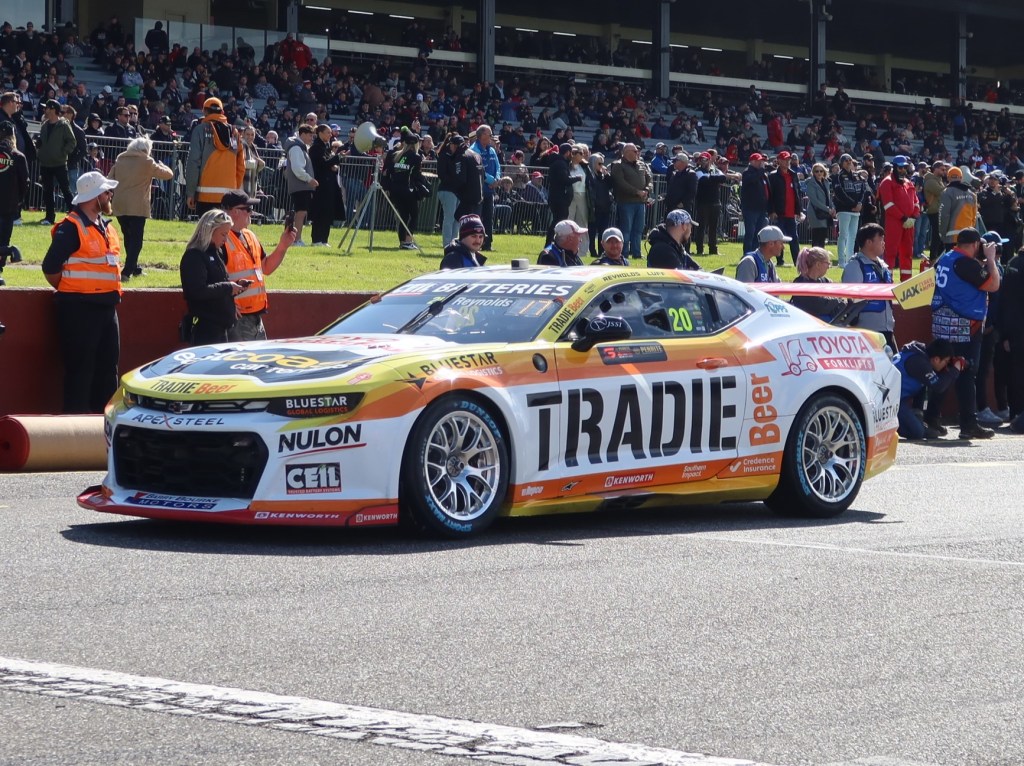
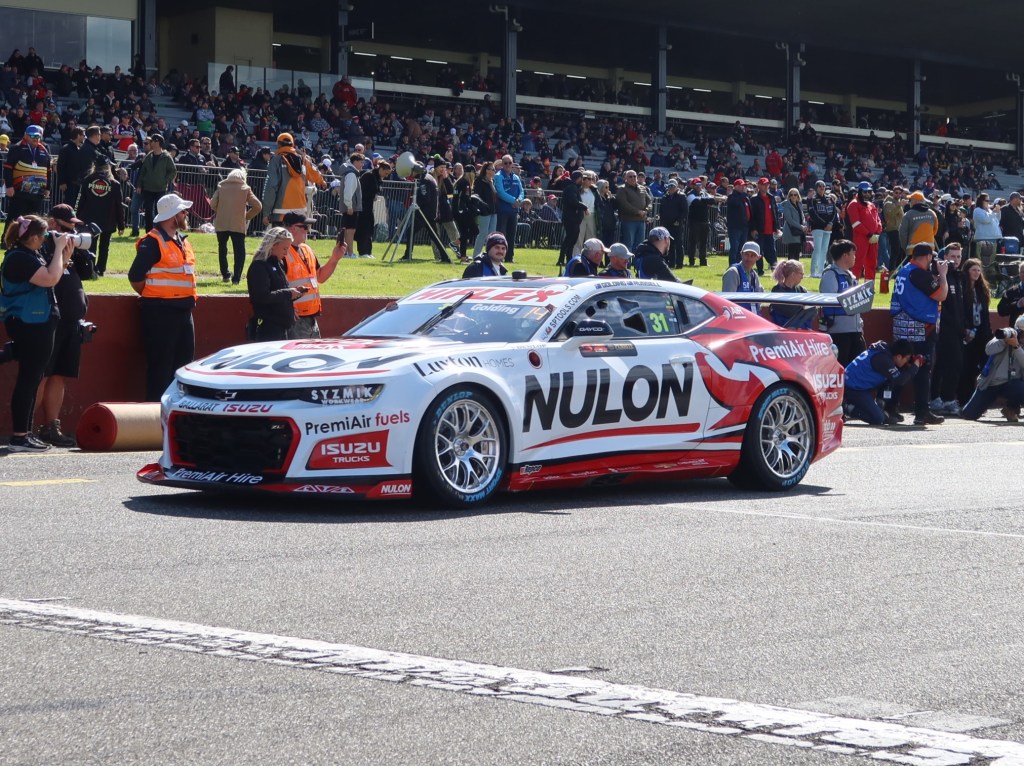
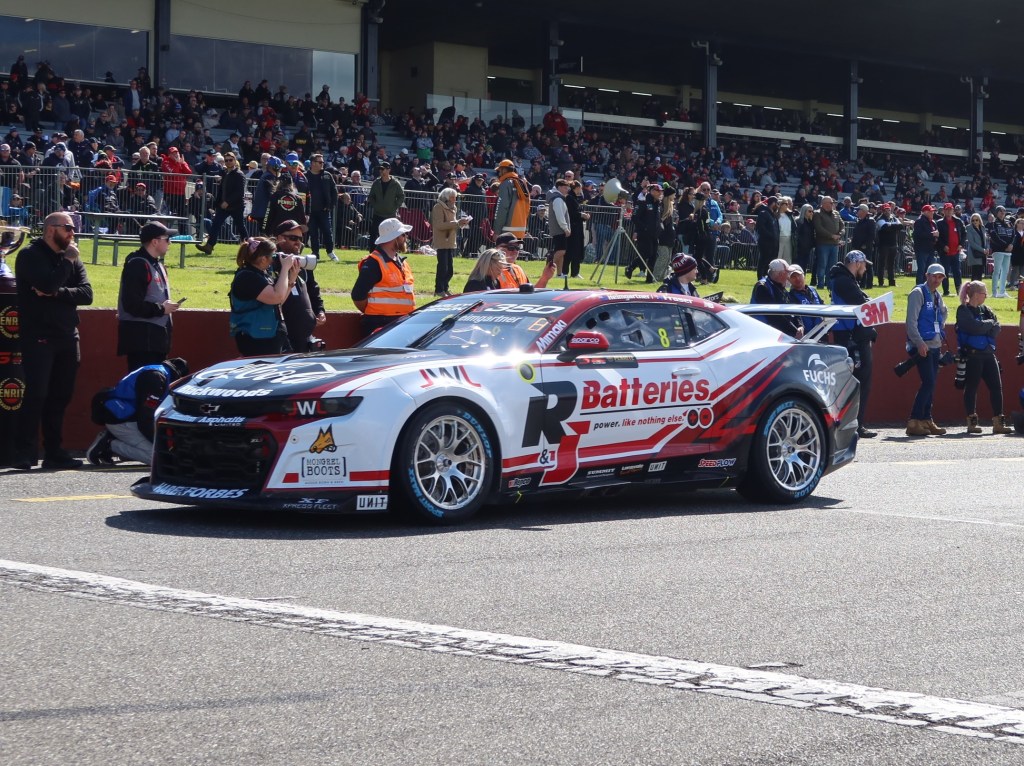
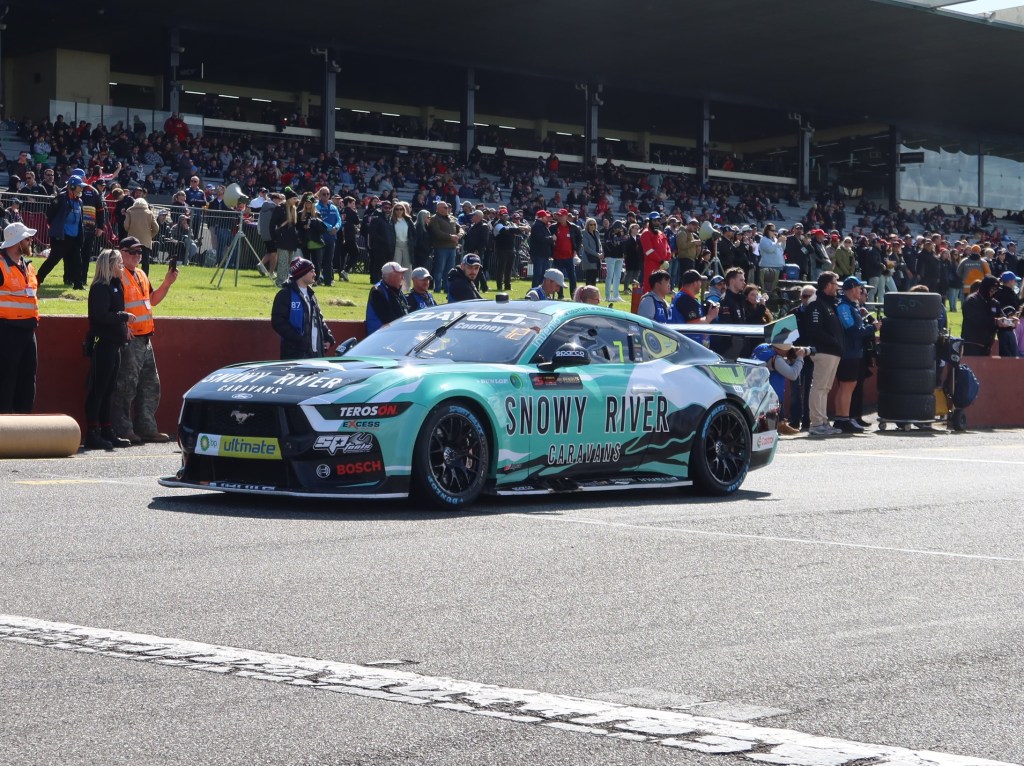
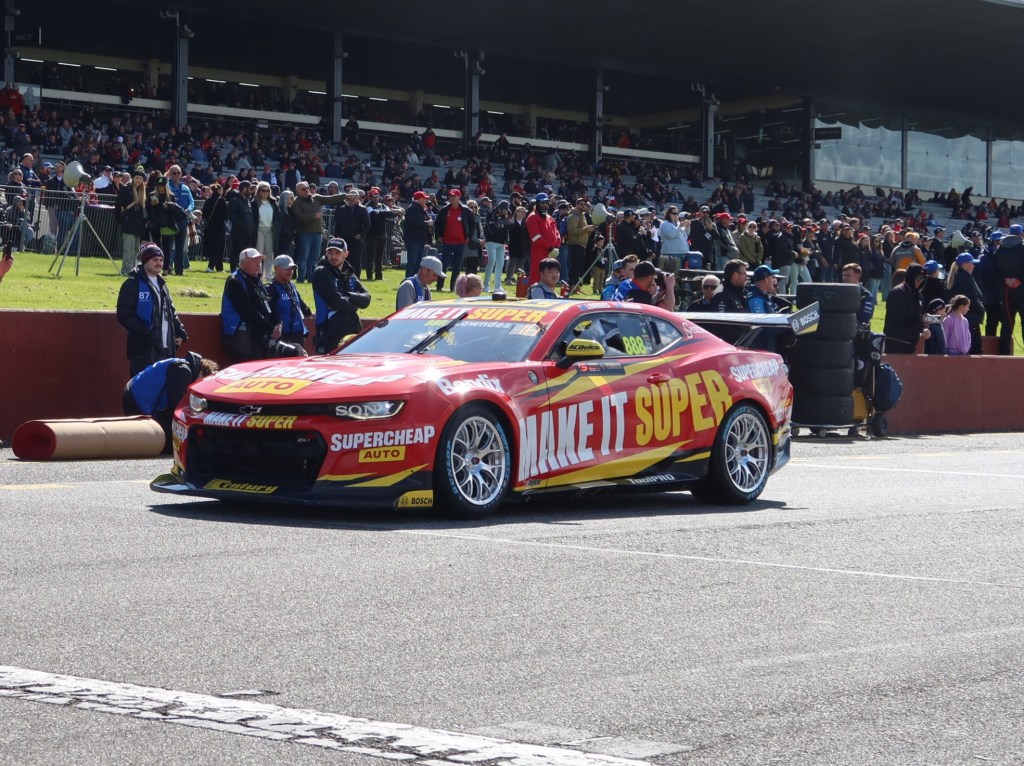
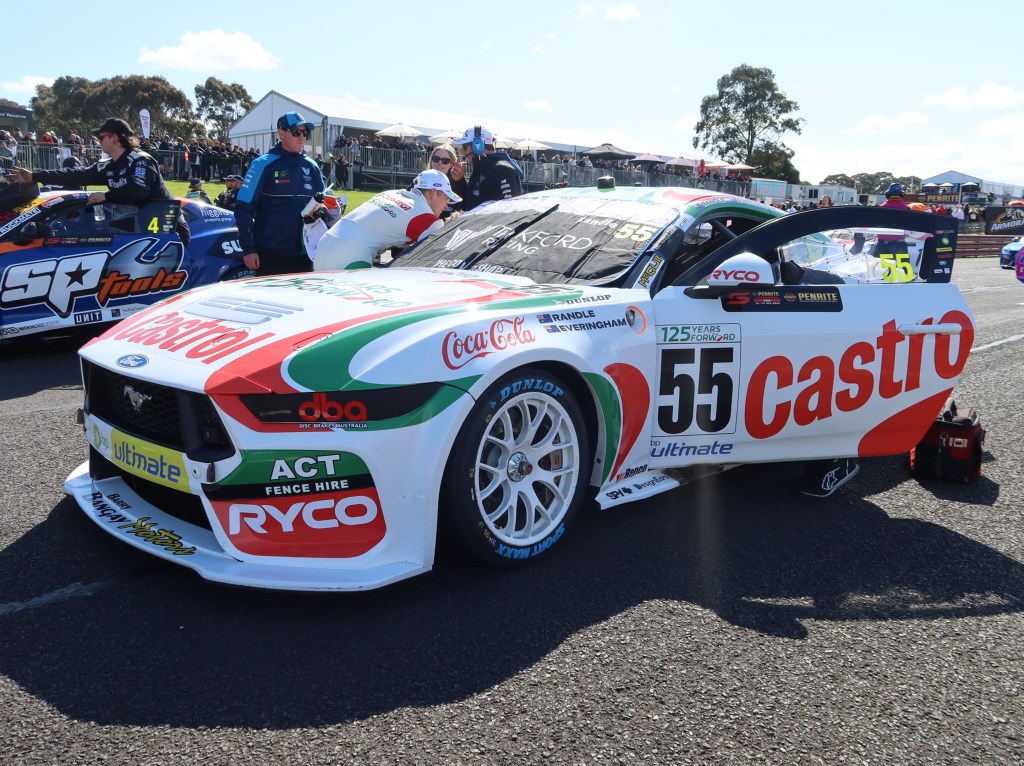
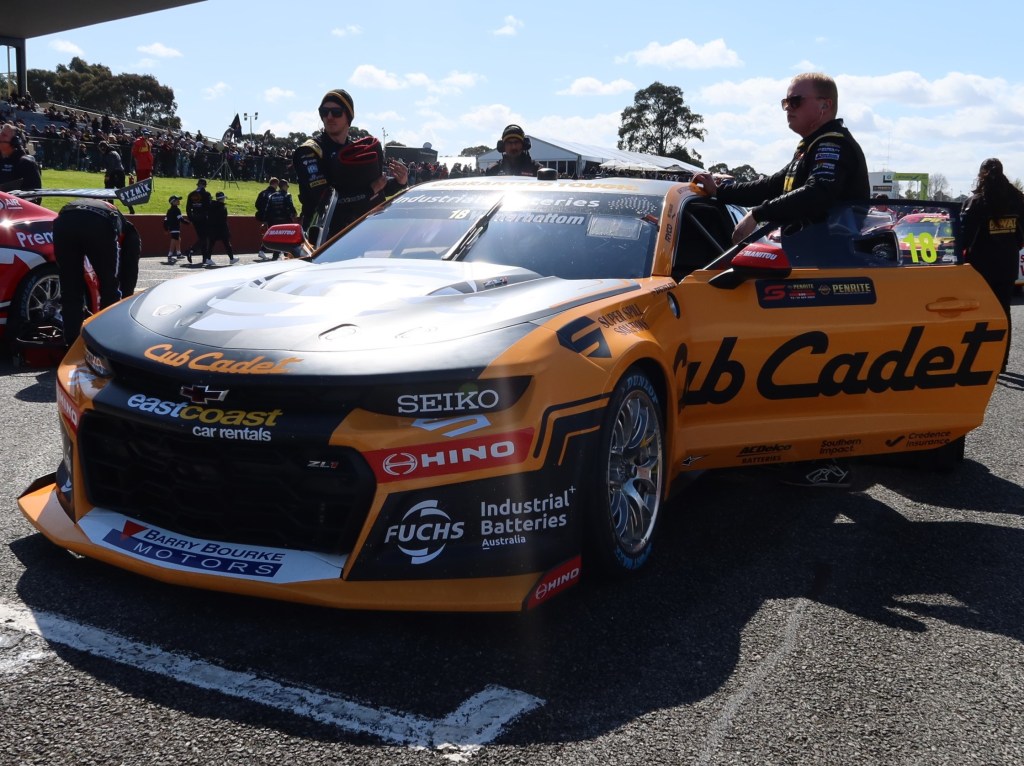
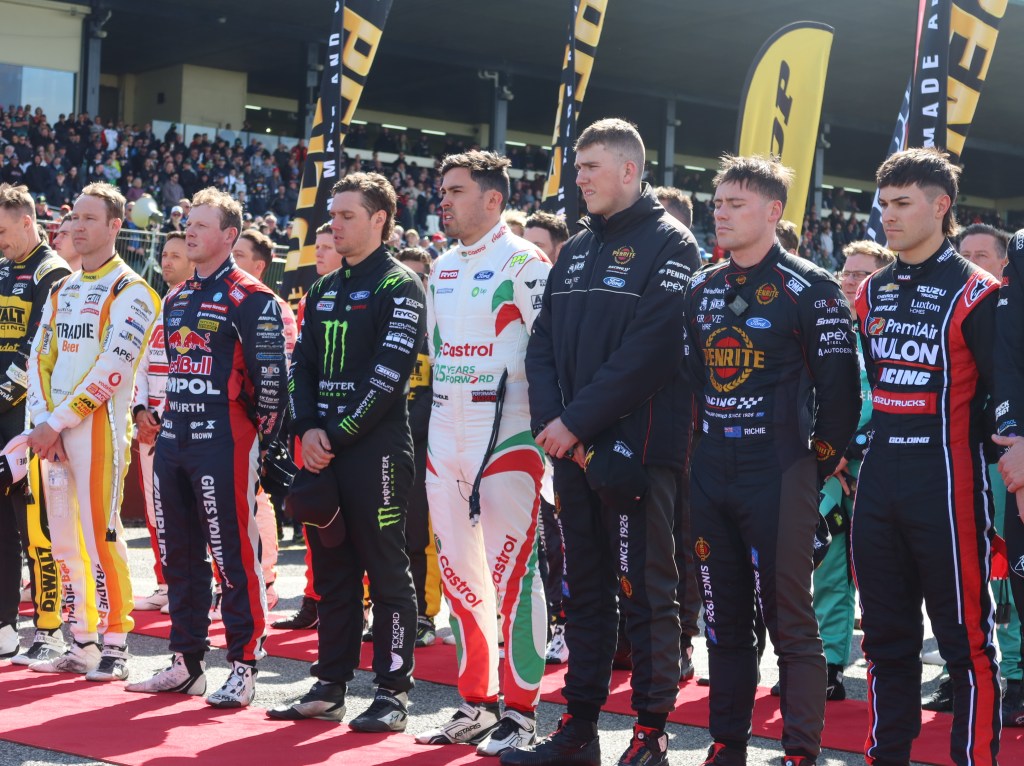
I found myself in the perfect position to photograph the majority of the main game drivers for the pre-race ceremonies, and I’m quite proud of what I managed to capture. This is the human element that soo often goes uncelebrated by those on the outside. There was also one moment of silence, where all you could here were shutters from the cameras as we paid tribute to Campbell Little – a key figure in the Supercars paddock who died recently. I’m sure he’d appreciate the gesture, but he’d also appreciate the racing, and a few minutes later the sound and the fury once again enveloped Sandown Park.

I had to hurry off the grid and make a mad dash to the lift to make sure that I could actually see the start from the top of the grandstand, and I almost missed it completely as the cars left the line the instant I found a spot. I couldn’t get a great view as everyone was standing up, but it was something and the race was underway. Eventually I found a better location to watch the action, and for the first few laps it was an orderly affair with everyone keeping their noses clean, but it we didn’t have to wait long for trouble to strike. The 26 Penrite car, driven by Richie Stanaway had a left-rear tyre blowout which severely damaged the suspension componentary, forcing him to stop on the side of the track. The safety car was called, and the drivers were instructed to activate their pit limiters, slowing down to a fixed speed of 80KM/H. This was a new procedure and it caught several drivers out, resulting in a collision between 3 cars right in front of me. Once the pit stops were all said and done during this “stoppage” period, the cars formed a queue behind the safety car and a few laps later, the green flag came out to signal the resumption of play.
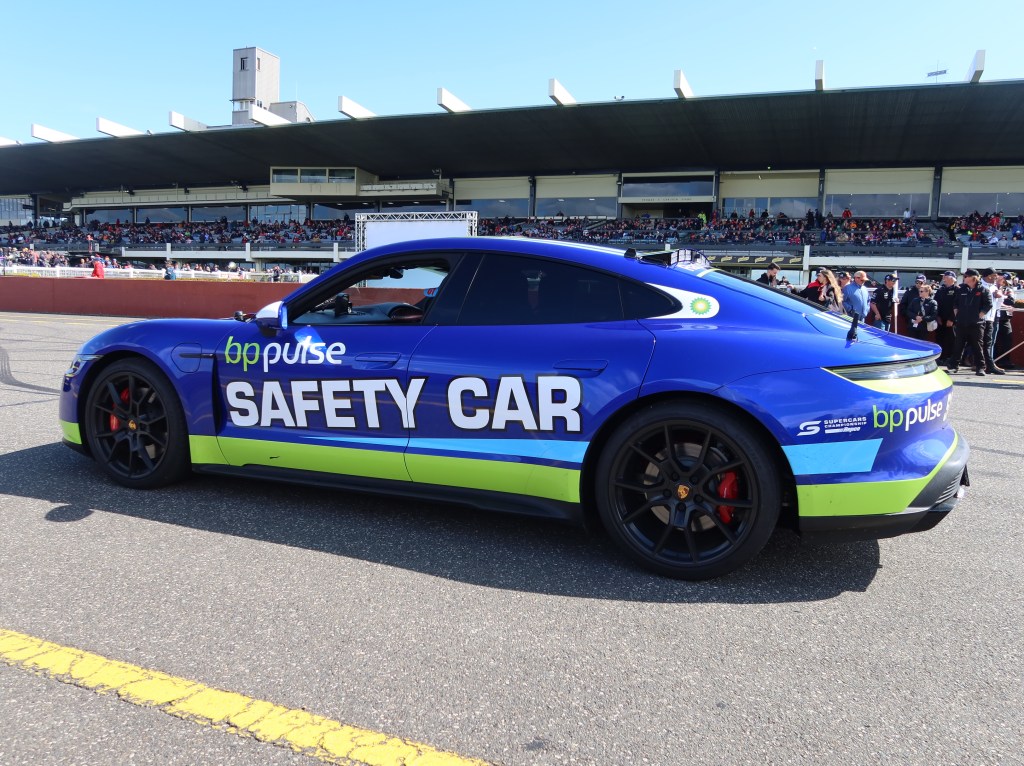
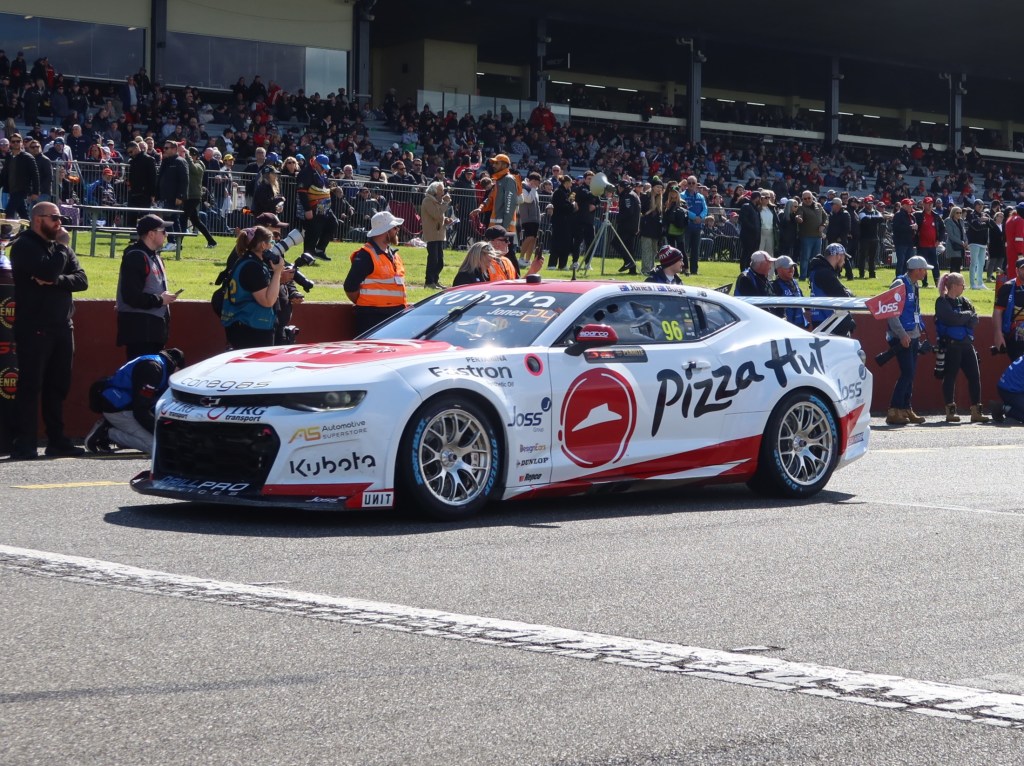
The restart was hectic as all the co-drivers jumped in during the yellow flag period, so several lines of cars emerged as everyone tried jostling for position. Todd Hazelwood in car 1 had a wild moment at turn 6 after bumping Jamie Whincup in car 88, going onto the tarmac runoff and making light contact with the wall. He came into the pits to get the damage fixed and after a bit of faffing about, he got back out on track. Shortly after that, Lee Holdsworth made a rookie error in the 25 Optus Mustang, spinning out all on his own on the exit of turn one with Garth Tander baring down on him in the 19 Penrite Mustang. Fortunately, he was able to get going without any damage, but the error still proved costly. Then there was more trouble in the same location when Cameron McLeod in the 23 Nulon Camaro spun Jordan Boys in the 96 Pizza Hut Camaro, hitting the wall side-on facing the wrong direction. Another safety car period followed.
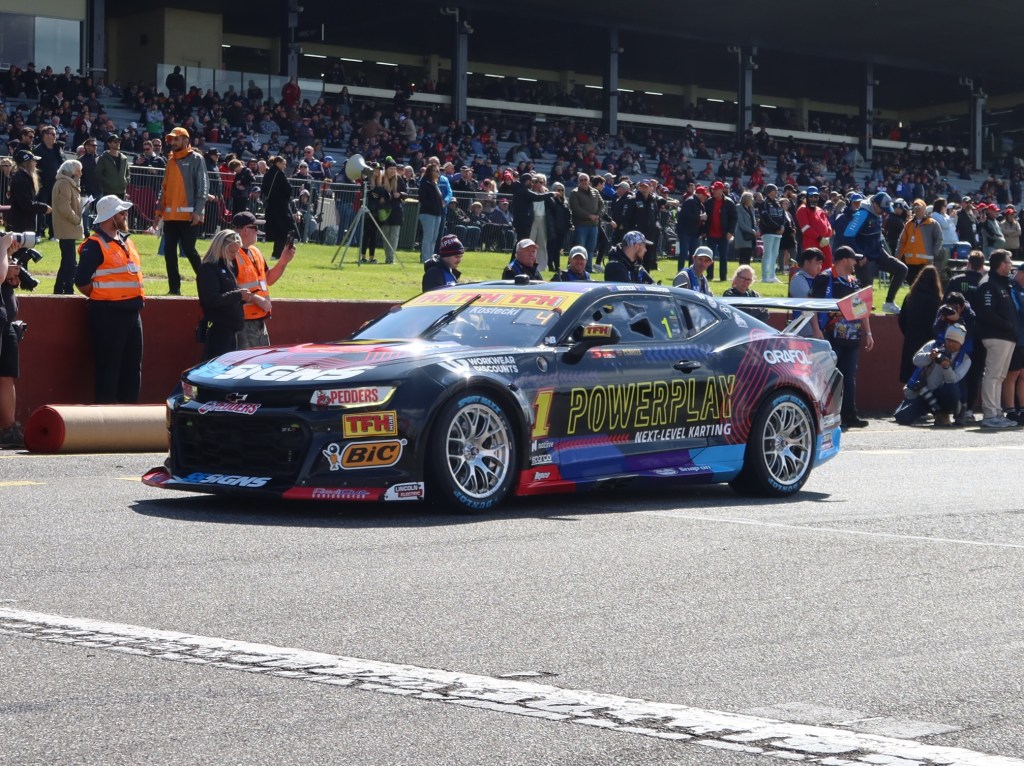
The green flag waved again and things settled down a little as the co-drivers got into something of a rhythm, but after 22 laps of mostly clean racing, Dylan O’Keeffe in the 10 Bendix Camaro stumbled over Kai Allen in the 17 Shell Mustang after he lost his right-rear tyre in what was a rather clumsy incident. The race was neutralised as the debris was picked up, but the safety car wasn’t need and we got back to racing rather quickly. Another 20 laps went by before Dean Fiore got himself beached in the gravel pit at turn 9 behind the wheel of the 50 SCT Camaro, which warranted the full deployment of the safety car. During this period, most of the main game drivers got back into their cars for the run home, which was 72 laps away at this point. After a decent amount of chaos in the first half of the race, we got a good green flag run that allowed the strategy to play out in a much more natural fashion. However with 20 laps to go, the 1 Powerplay Camaro driven by Brodie Kostecki decided to shut down after a complete electrical failure, leaving him stranded at the top of the track. The safety car was called, setting up a tense sprint to the line.
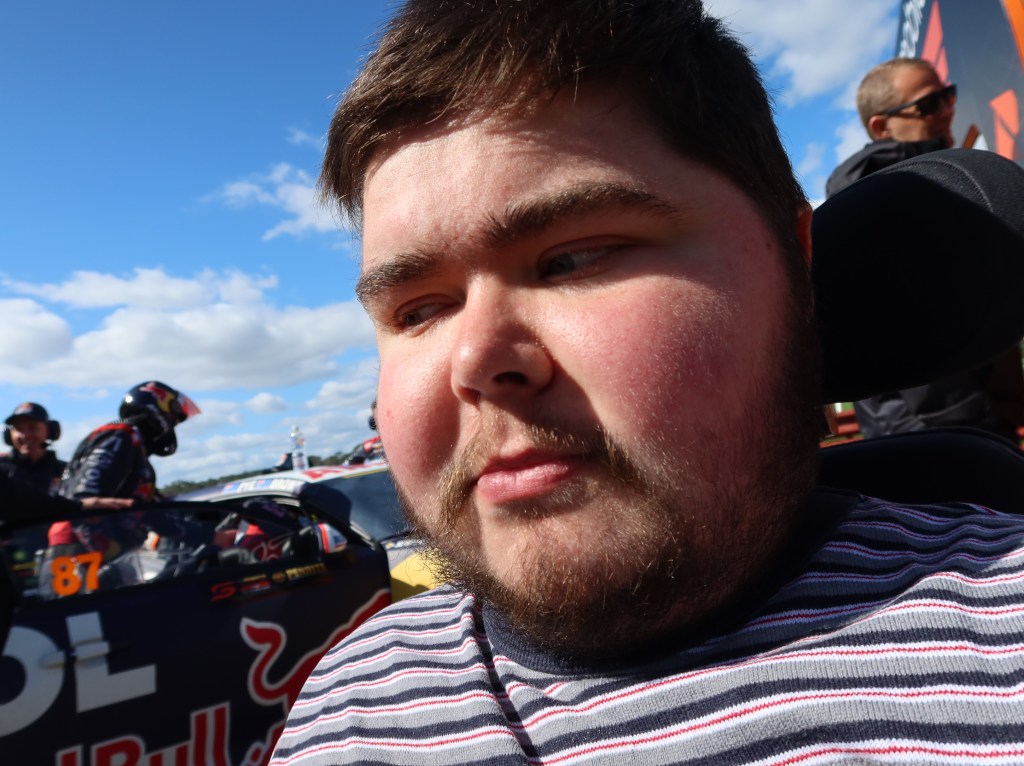
Once Brodie’s car was recovered, the race resumed with a few minutes left on the clock, as there’s a strict curfew that must be adhered to no matter what. This meant that we weren’t going to get all 161 laps in, which is pathetic but anyway, within about a minute of the restart, Matthew Payne in the 19 Penrite Mustang kicked the 9 Tyrepower Camaro entry of Jack Lebrocq out of the way at turn 4. Lebrocq ended up stuck in the wall, and a collective groan from the crowd was heard when the safety car was called for the final time. It looked as though the race would end under yellow, but Lebrocq managed to get out on his own and we all cheered, because it meant that we’d get a green flag finish. Will Brown in the 87 Red Bull entry had put together a strong performance soo far, holding the lead for a large portion of the race with the help of his co-driver Scott Pye. He was in the box seat to take out the win, but with team mate Broc Feeney in car 88 right behind and James Golding in third, he could not make an error. With the clock ticking down, Brown led the field back to green and stamped his authority with a great jump, giving himself enough space to take the win and extend his championship lead. His co-driver Scott Pye broke a 6 and a half year losing streak, which was great to see as I’m a big fan of his.
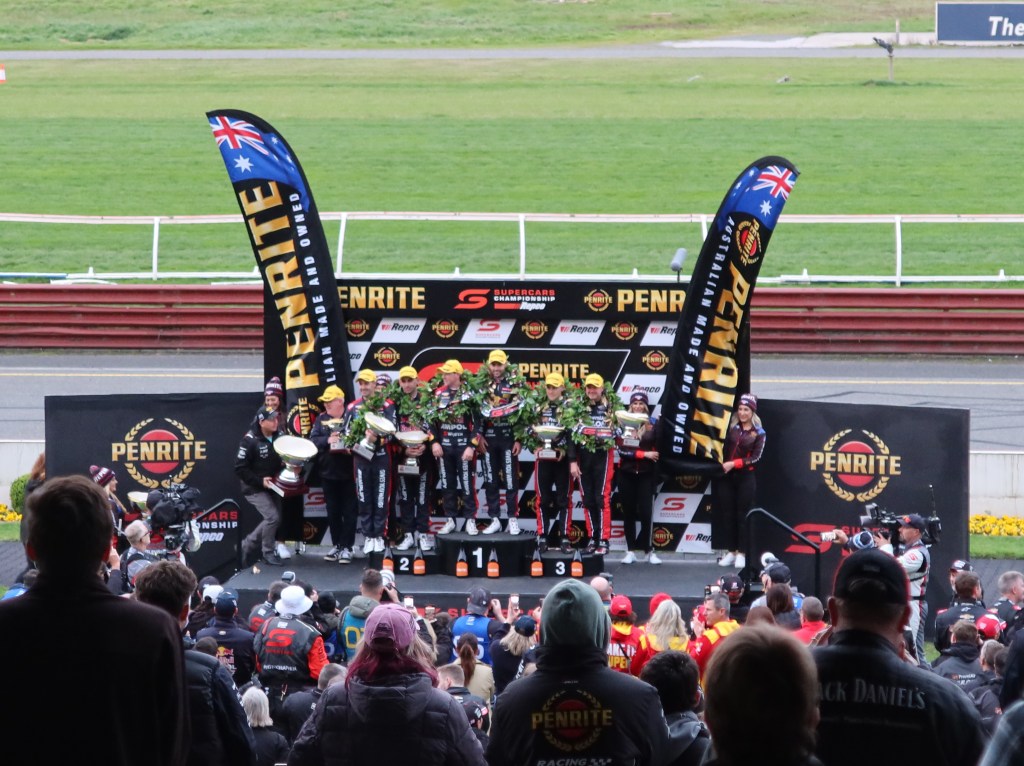
Sandown delivered a cracker this year, proving once again why we must protect this 500KM race for as long as we can. From what I saw, there’s still a lot of love for this event and the overall vibe around the venue was fantastic. Everyone knows and loves Bathurst but don’t disrespect Sandown because the compact nature of the track and the huge grandstand makes for an entirely different environment. It feels more like a stadium than an open footy ground. The facility may not be the most modern but it has character and history, which is enough to solidify it’s place in my heart and Australian motorsport. Now, time to commend a few drivers – the first being James Golding for bringing his 31 Nulon Camaro home in third for PremiAir Racing. This is a big result for the relatively new team, as they’ve never scored a podium before. His co-driver David Russell also did a good job to keep a strong pace and move up the order. Cooper Murray, who was teamed up with Craig Lowndes in the 888 Supercheap Camaro, ended up finishing 5th – an outstanding effort from the wildcard entry, beating the likes of Cameron Waters and Chaz Mostert. The Fords will have to lift their game at Bathurst. Anyway, that’s all I have time for today. I hope you enjoyed my race report and I’ll be back again soon with some more quality content from the Melbourne car scene.
 DevMacCars