Let’s face it: many of us car enthusiasts knew about Porsche before we were old enough to point out Germany on a world map. The famed automaker has become one of the most recognisable brands alongside Ferrari, Toyota, Ford and Lamborghini, with a strong reputation for building reliable sports cars and all-conquering racers. They have competed all over the world, from the hallowed grounds of Le Mans to my “local” circuit at Sandown Raceway and Albert Park for the GP. Moreover, Porsche has had a strong association with Australia – drivers such as Vern Schuppan, Mark Webber and Matt Campbell have found great success behind the wheel of 962’s, 919’s and 963’s. In addition, the Carrera Cup has been a fixture of our motorsport scene for more than 20 years, bringing through a host of young drivers who have since hit the big time in Supercars. Think David Reynolds, Nick Percat and Fabian Coulthard. It doesn’t matter how you cut it, Porsche has become a staple of the automotive industry and at Art Nuen 2, we celebrated all of it in a place that you wouldn’t expect…

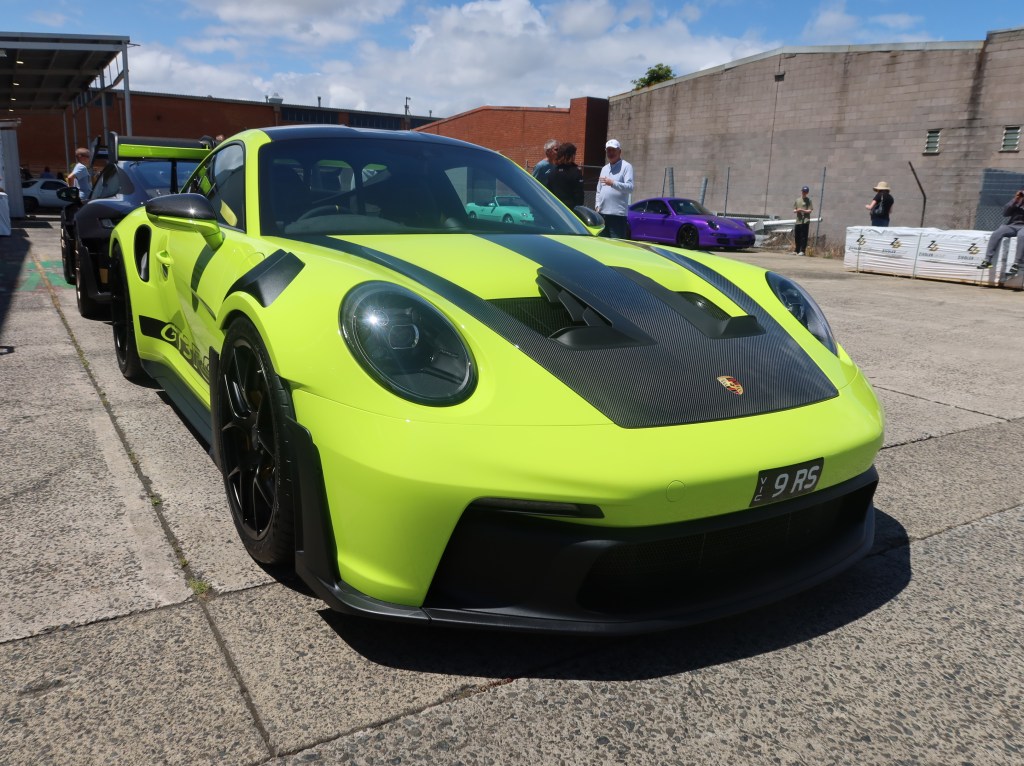
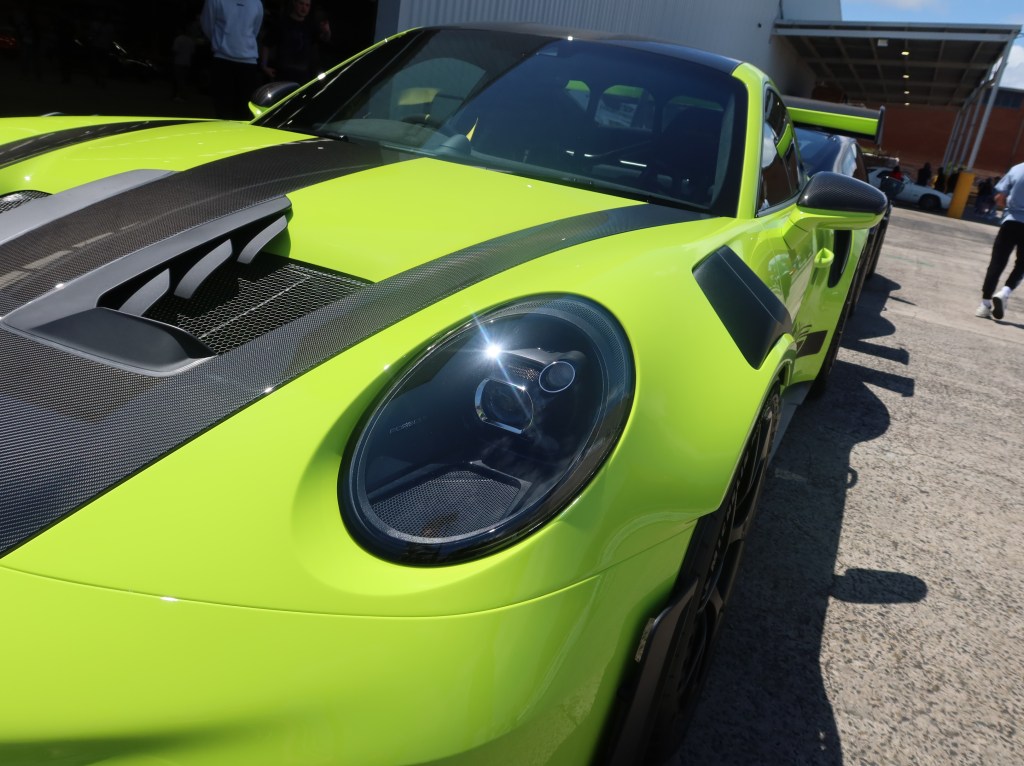
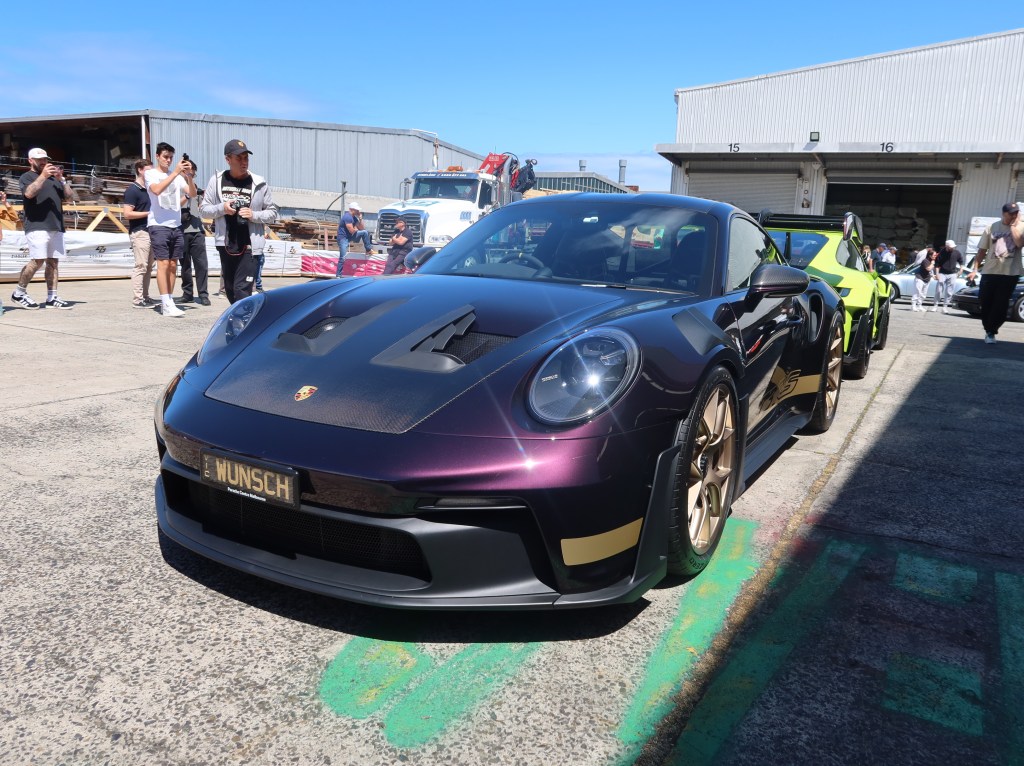
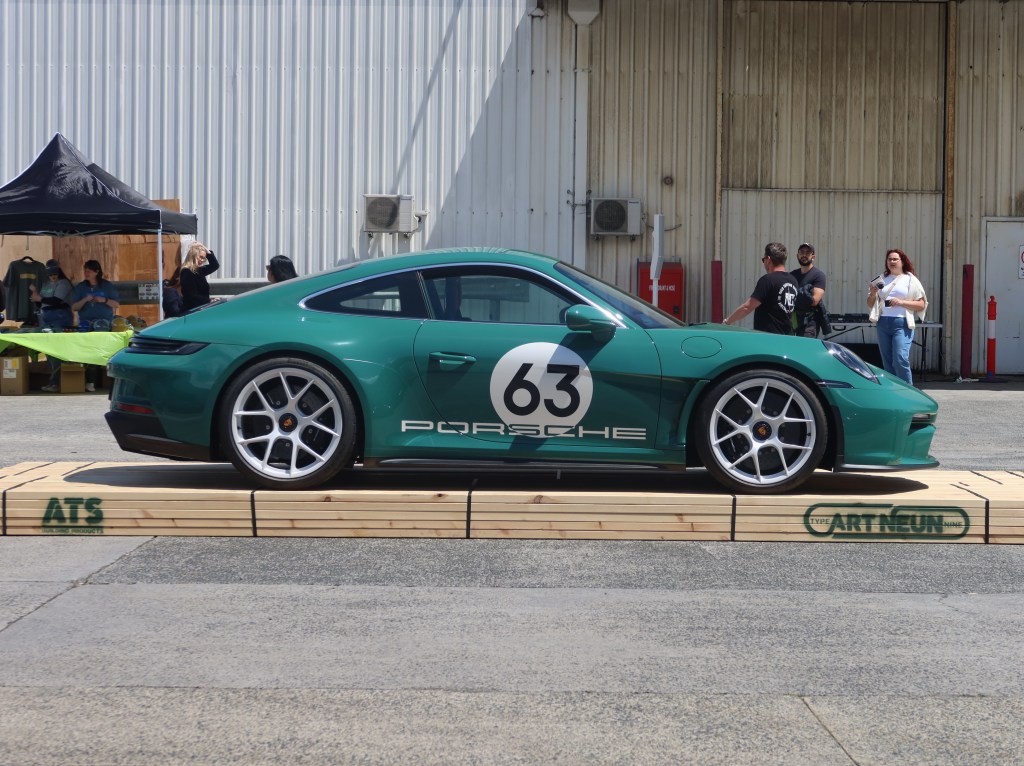
I’ve already spoken about the 992 GT3 RS on this blog here already but these two are about as individual as you can get. Porsche really lets owners go wild with the spec on the car, which is just as well because such a cracking machine should be tailored to fit your vision. If I could, I’d buy one in a heartbeat and give it a red body, white wheels and white decals because you can’t take Holden out of my mind. Anyway, this car has become a smash hit, with a large amount of them being seen on the streets – and you know the aero is crazy when your mum asks you if it’s a race car. To be honest though, that’s not too far from the truth. I don’t know how this car passed the traffic regulations because all the pointy bits stick out like barbs. Coincidentally, I drove the car in Forza Horizon 5 after it was introduced to the game on Friday and I was seriously impressed. That’s really saying something because you can build some truly ridiculous cars in Forza Horizon. To put it quickly, the handling is telepathic and the fact that “regular” people can buy it in reality is insane. The car is a fantastic technological achievement, making it one of the best EVER. Fight me.
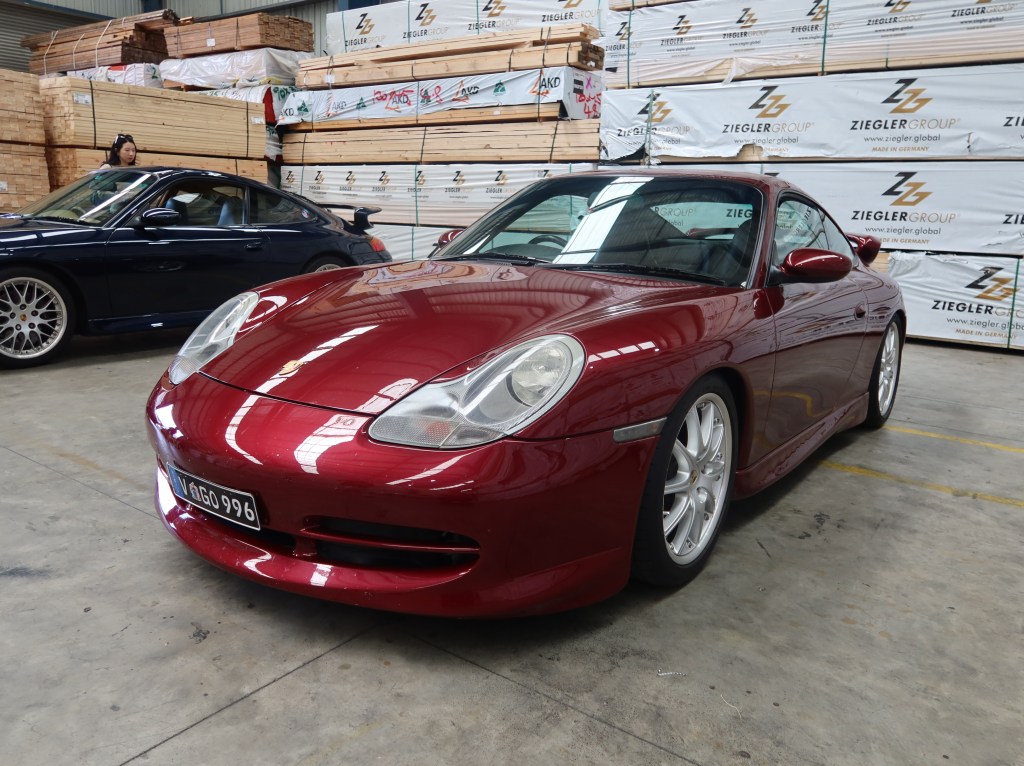

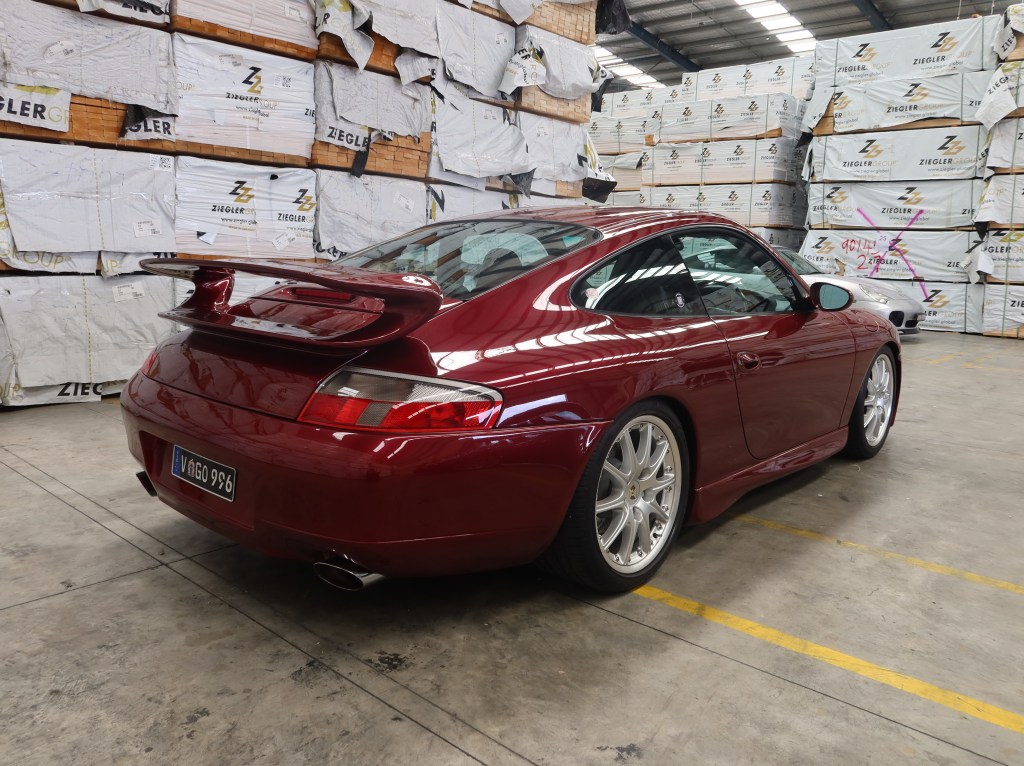
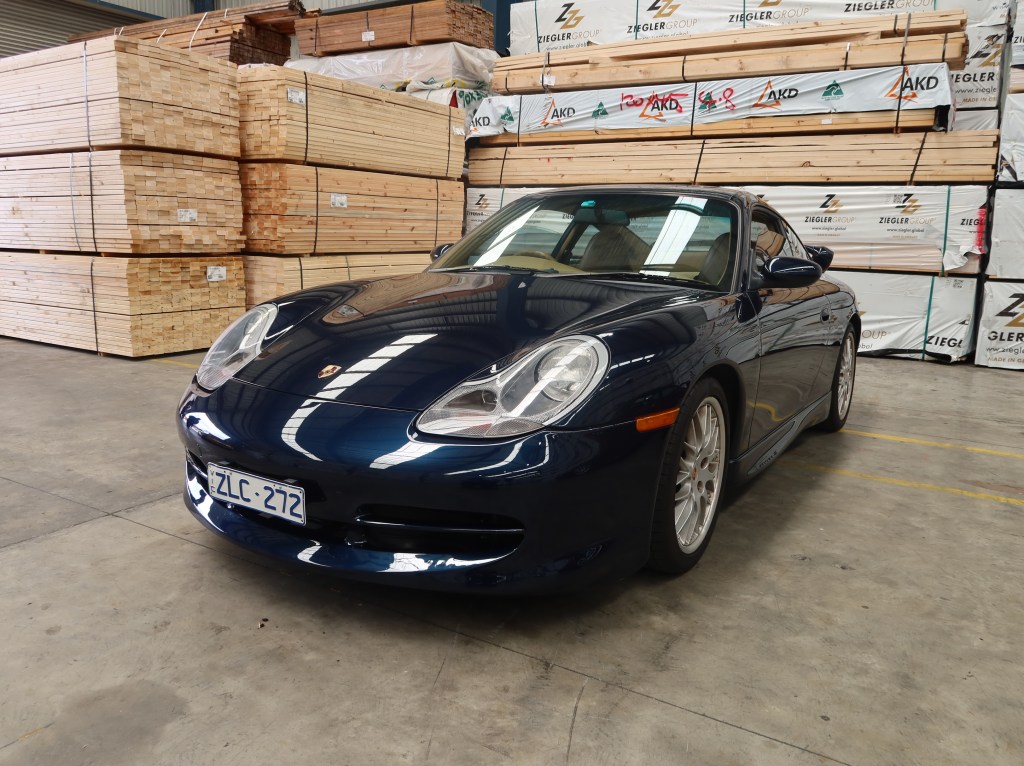
I am a big fan of the 996 generation 911. Released in 1997, it was the start of a new era for the model as it ditched the air-cooled flat 6 for a much more advanced water-cooled unit. That led to some controversy amongst Porsche diehards, and the so-called “cracked egg” headlights did not help it’s cause in the eyes of some. However, the sales numbers proved to be very strong compared to the previous 993 generation, validating Porsche’s decision to revise the engine. The new model also introduced the GT3 trim to the range, giving customers a chance to experience some naturally aspirated thrills akin to the Cup car. The red one featured here is most definitely the real deal (note the ride height), whereas the blue one looks like a lesser trim model with GT3 bits. For me, this car’s claim to fame lies in my favourite video game series – Gran Turismo. Series creator Kazunori Yamauchi bought one before the release of Gran Turismo 3, and it was put into the game during the development phase. Unfortunately, it did not show up in the dealership as an official model due to licensing. If you wanted to drive it, you had to dig into the code and “hack” the game. Funnily enough, the game’s cover photo was a headlight from Kazunori’s Porsche turned upside down. In 2018, the 996 GT3 was officially added to Gran Turismo through a GT Sport update. Since them, it’s become a favourite of mine with it’s smooth power delivery, relatively compact dimensions and communicative chassis.
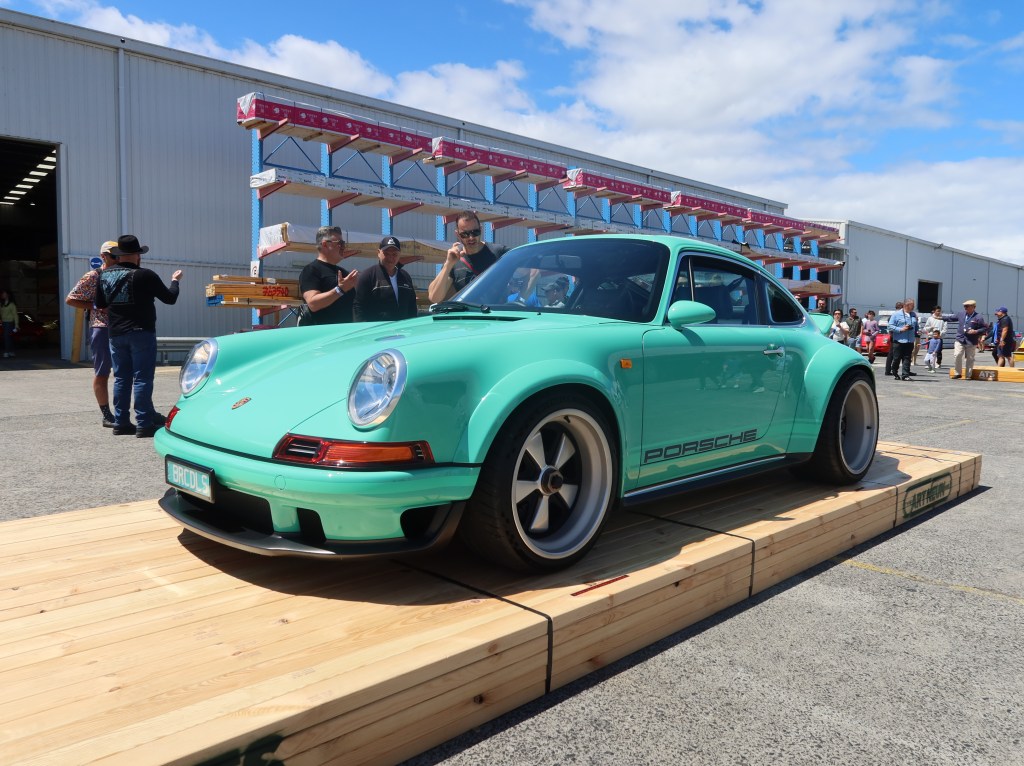
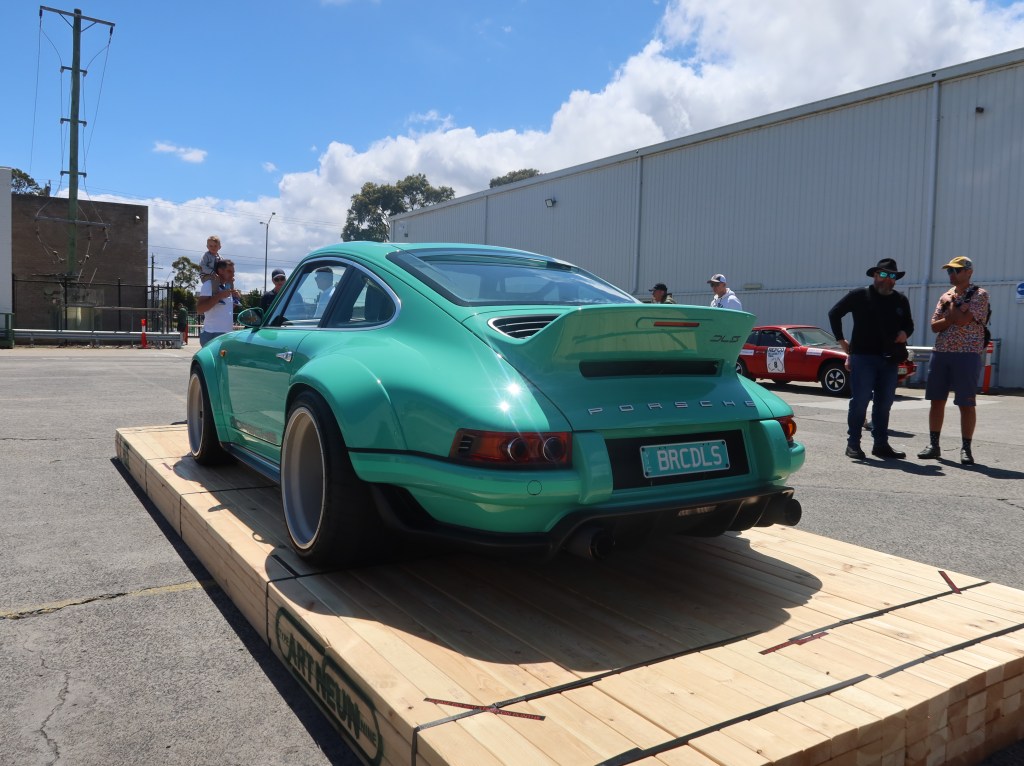
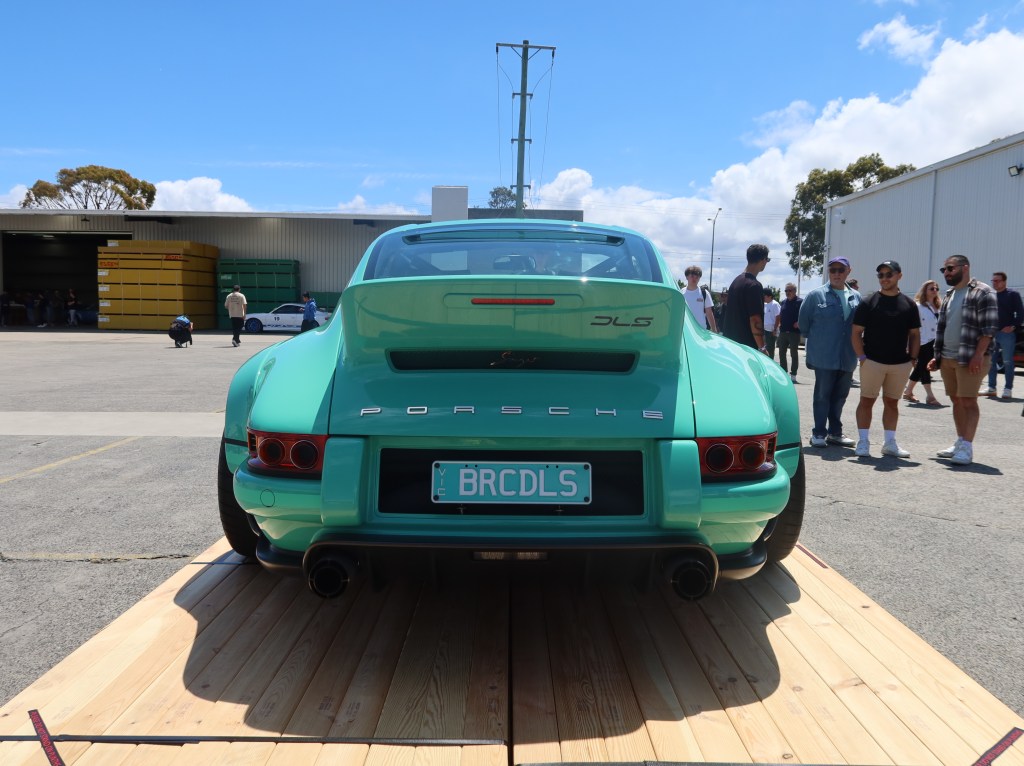
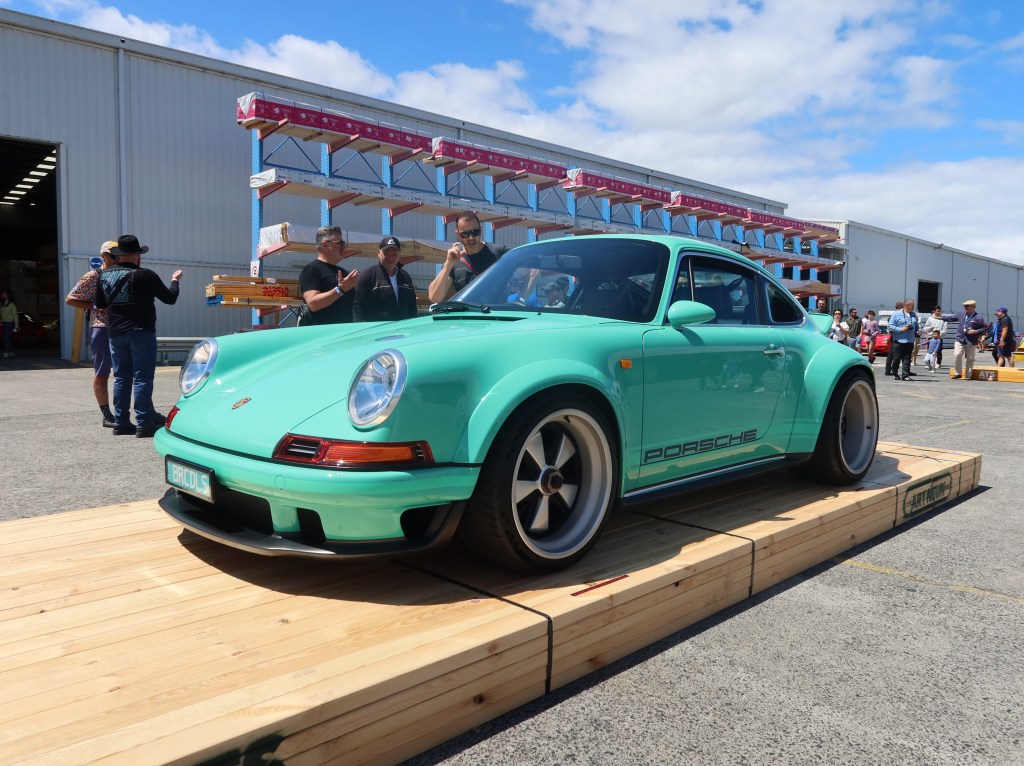
Here is the main attraction: the Singer 911 DLS in mint green. Now, this is no ordinary aftermarket mod… oh no. It’s soo much more than that. In fact, you wouldn’t even call it a restomod because Singer build a complete car from a 964 chassis. Predicted to cost 4.5 million Australian dollars, all the pieces are made and assembled by hand like a bespoke supercar such as the Pagani Huayra, with only the engine being outsourced. Who built the engine? Well, none other than Williams. Yes, that Williams. Curiously, the team known for their exploits in F1 have their own engineering arm who can design, build and offer technical support for specialist applications. It’s a 4 litre air-cooled flat 6 that produces 500 HP – a healthy number for the carbon-fibre clad machine. Speaking of which, DLS means “Dynamics And Lightweighting Study” so everything is done in pursuit of the ultimate air-cooled driving experience. Every panel, every nut, every bolt and every piston ring is as light as possible to minimise weight and maximise performance. With all this in mind, you realise why it costs soo much.
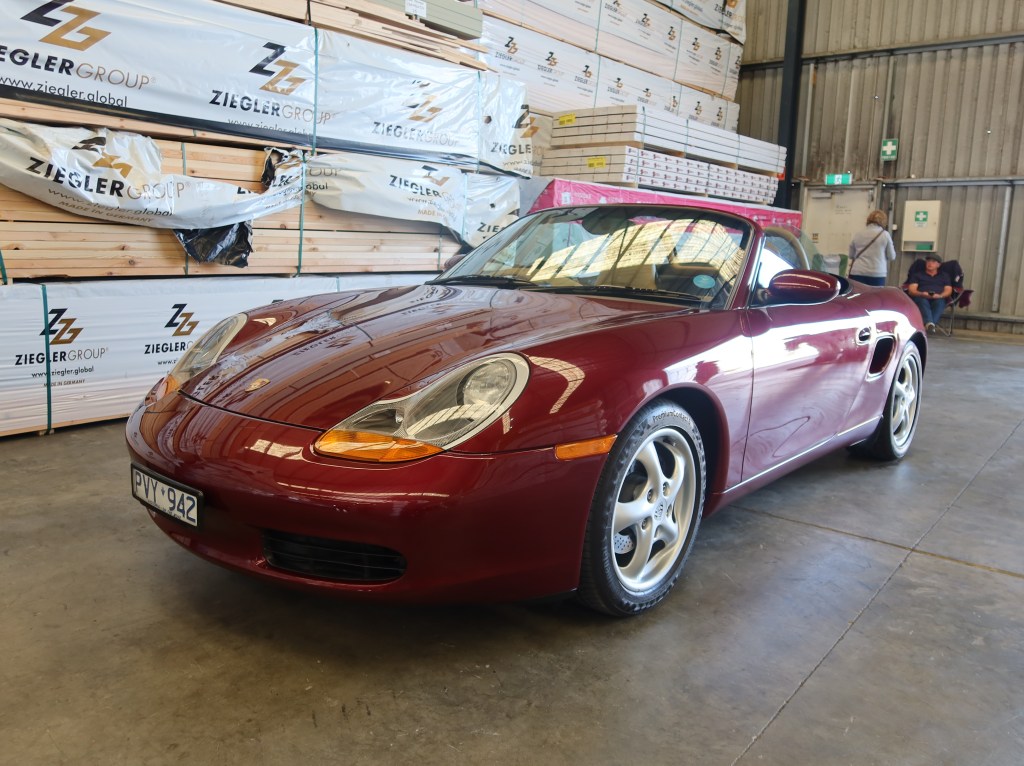
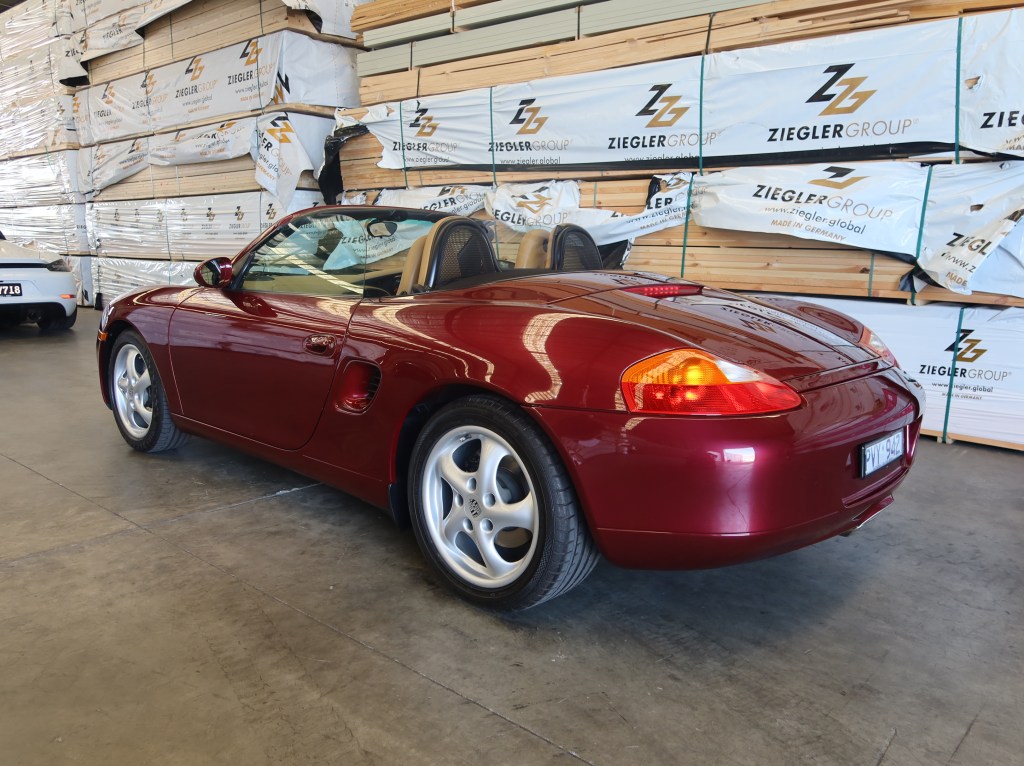
Who would’ve thought that a clean 986 Boxster could excite me soo much? This little gem has aged really well and it seems as though the market is finally agreeing, with prices going up consistently in recent times. This entry-level offering was introduced shortly after the release of the 996 911, with a mid-engined layout and a smaller variant of the famous flat 6. A lot of it’s components were shared with it’s bigger sibling; something that can very easily be spotted when taking a look at the front end. The simplistic design and proportions give this car a cutesy appearance, which I believe somewhat portrays the fun and innocence that it promotes whilst behind the wheel.
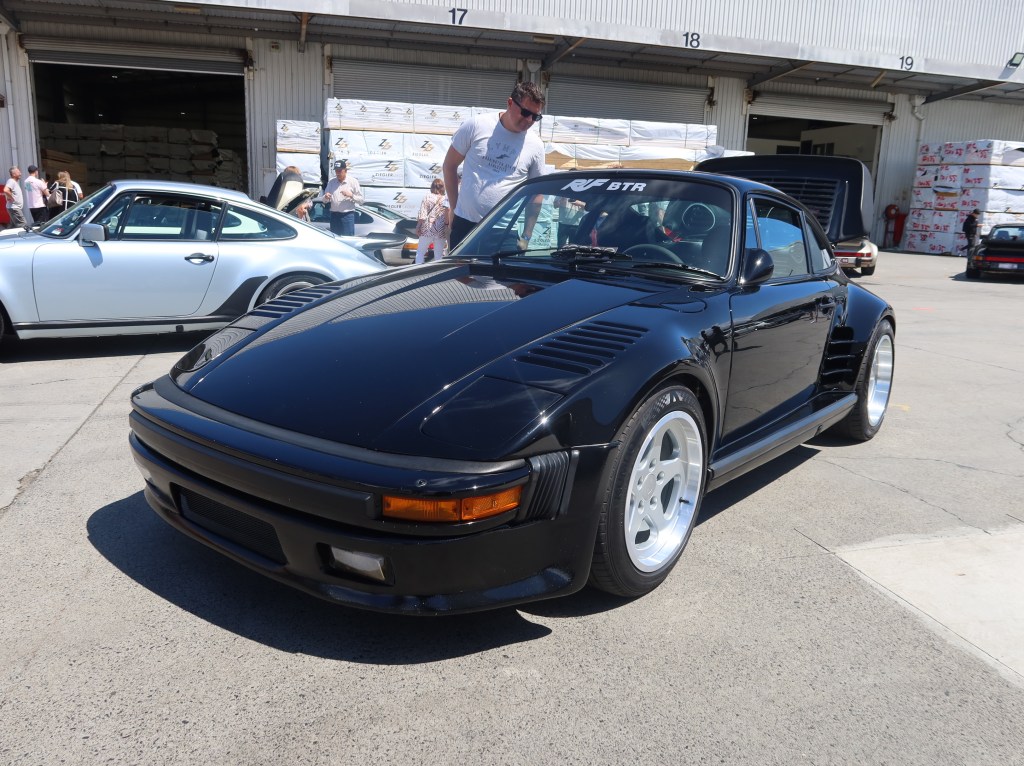
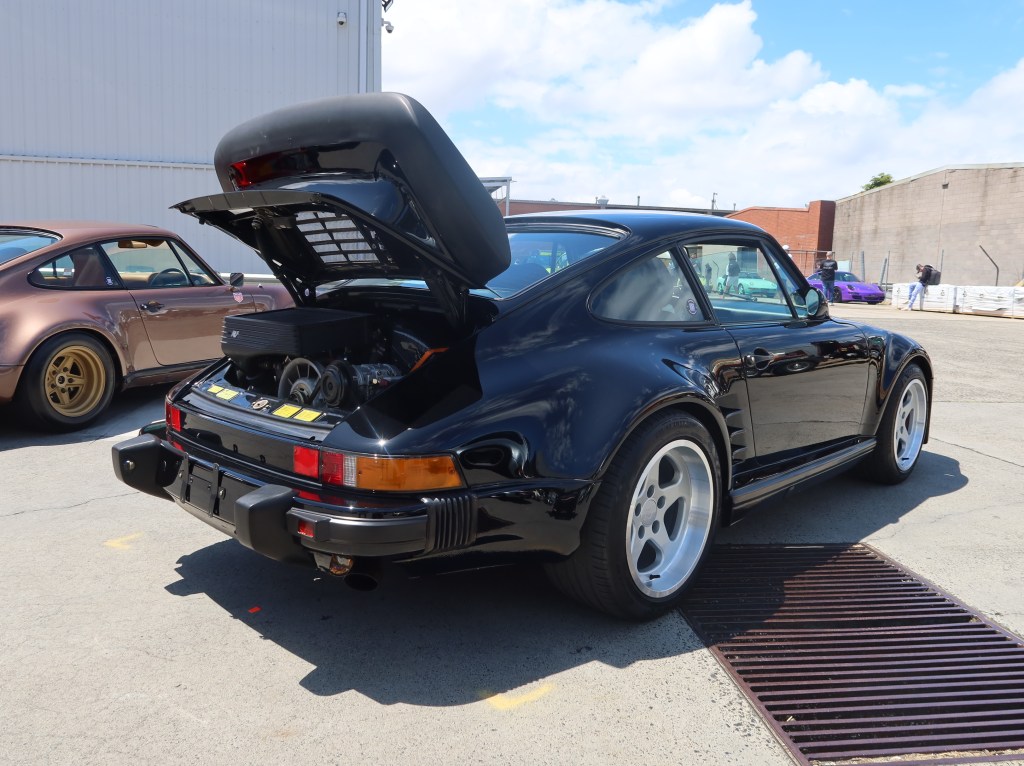
The only reason I know about Ruf is due to the many racing games having them as Porsche substitutes when EA had that stupid licensing agreement. Anyway, this slantnose BTR, based on the 911 930 Turbo, is particularly interesting as very few were built. Seeing one of these in Melbourne is a highlight as only a handful of models from the brand have made it down here over the last 40 years. Ruf, despite appearances, isn’t actually an aftermarket Porsche tuner, as their cars all have their own VIN numbers. Ruf purchase “bodies in white” from Porsche and build them up into so-called “production models” which are then sold to consumers. However, they have produced a more bespoke mid-engined model called the CTR3, which doesn’t have a Porsche equivalent. For an added bit of trivia, it underpins the zany Lykan Hypersport – a car which had a memorable scene from Fast and Furious 7.
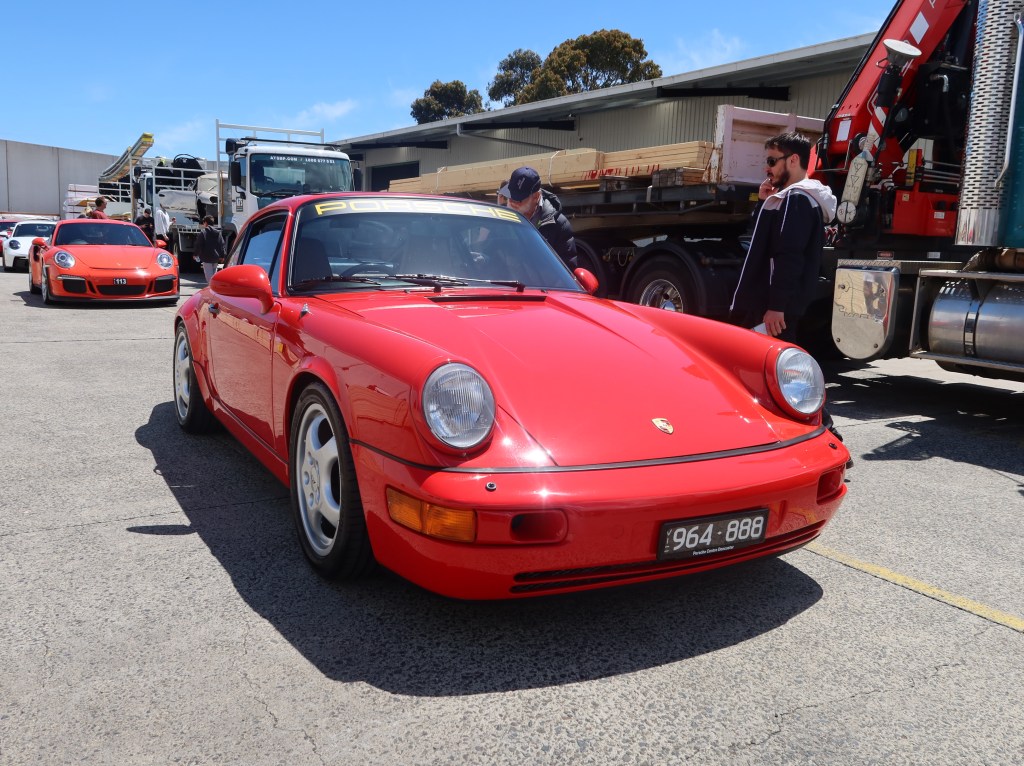
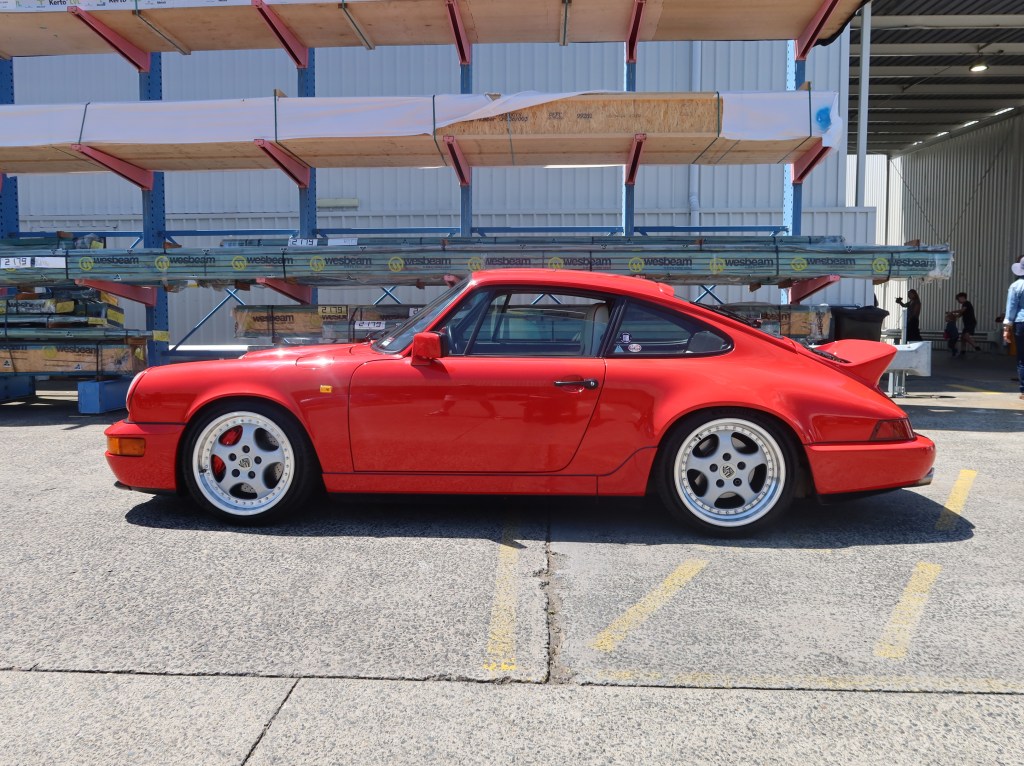
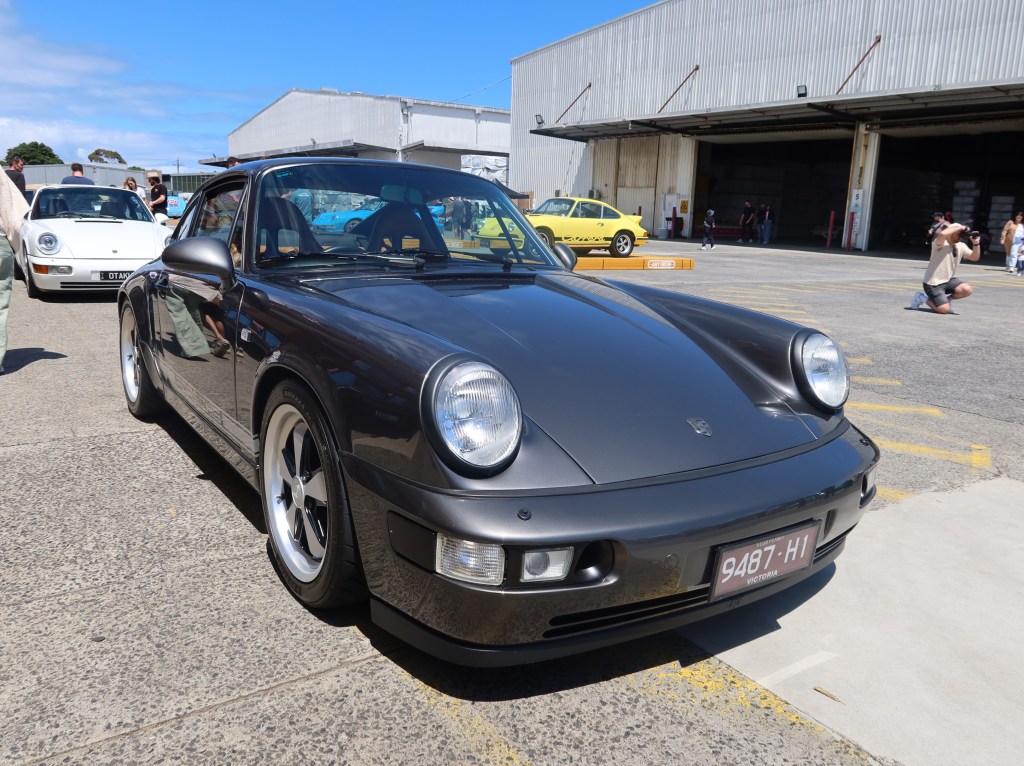
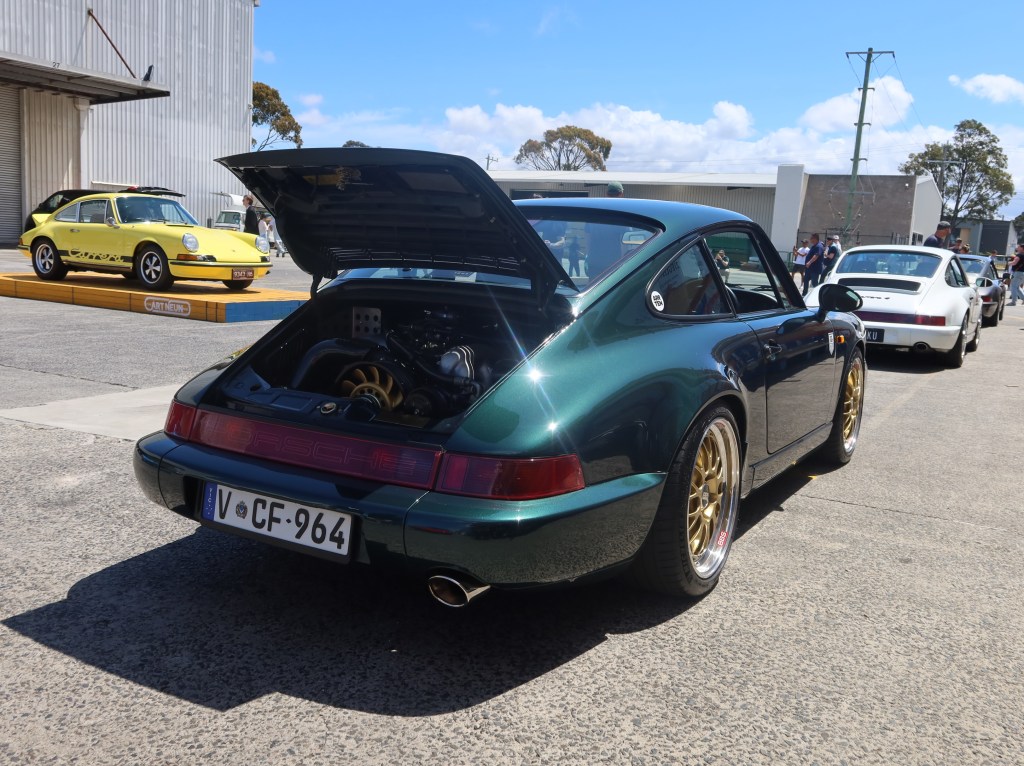
Now let’s give the 964 generation 911 a bit of love here because they too have quite an audience. The car still has that classic air-cooled engine but it’s not as wayward as the older models in the handling department. By this point, Porsche had ironed out most of the issues and made them a lot more usable from a comfort and reliability standpoint. One reason why some favour this generation is the size – it’s no bigger than the 930 and combined with more modern amenities, you could argue that it’s a smarter purchase because it’s cheaper to run. I’m not saying that it’s as cheap as a Toyota Corolla but in Porsche land, it’s not bad. So, what about the 930? Doesn’t that deserve some love too? Yes. Yes it does.
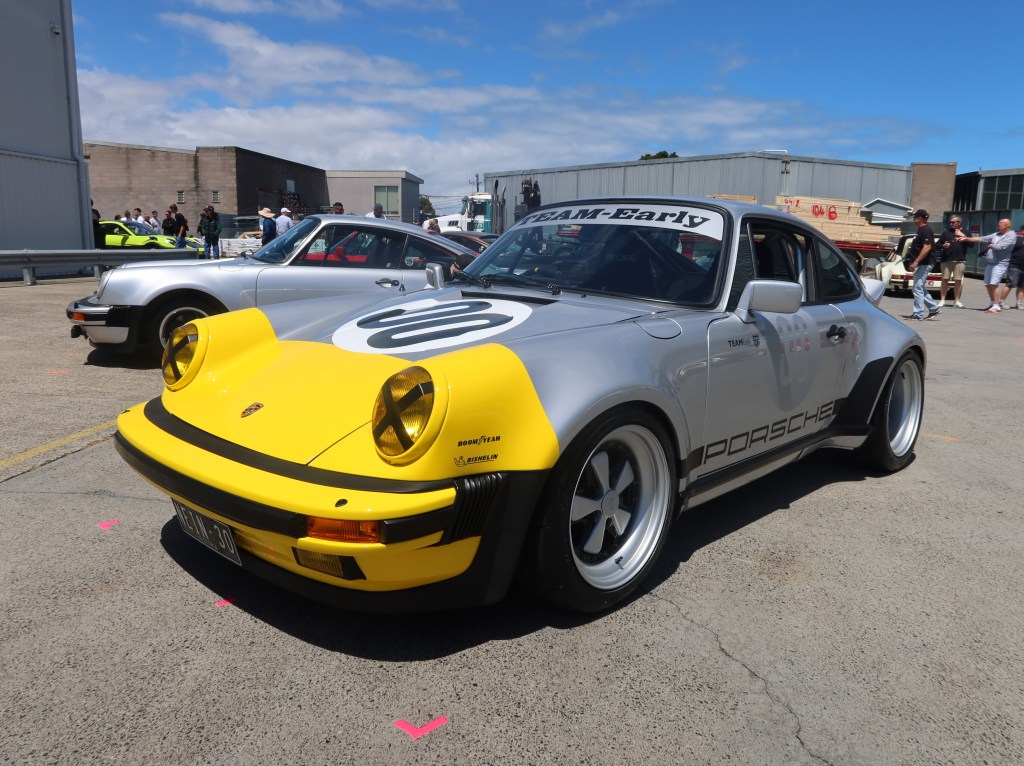
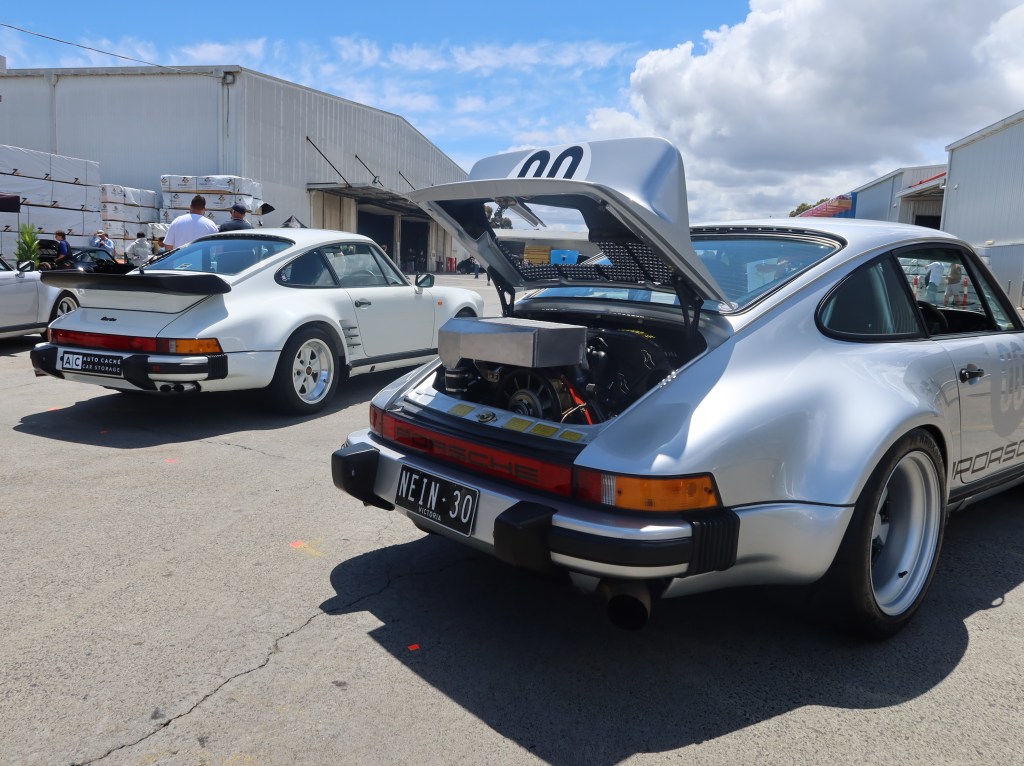
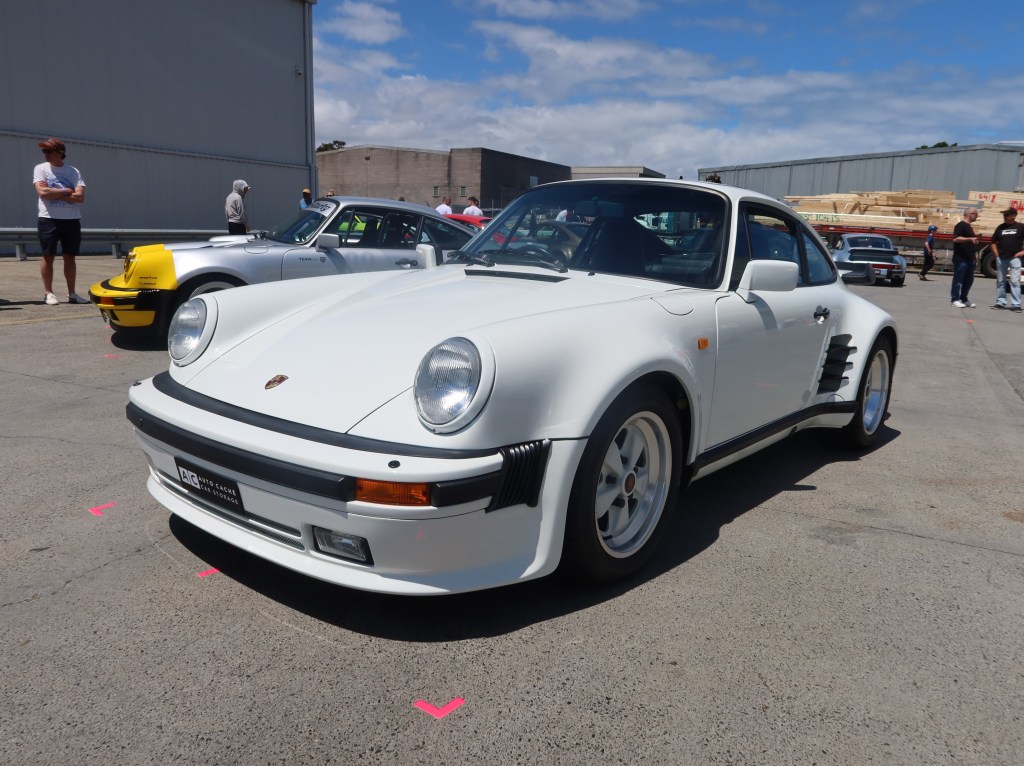
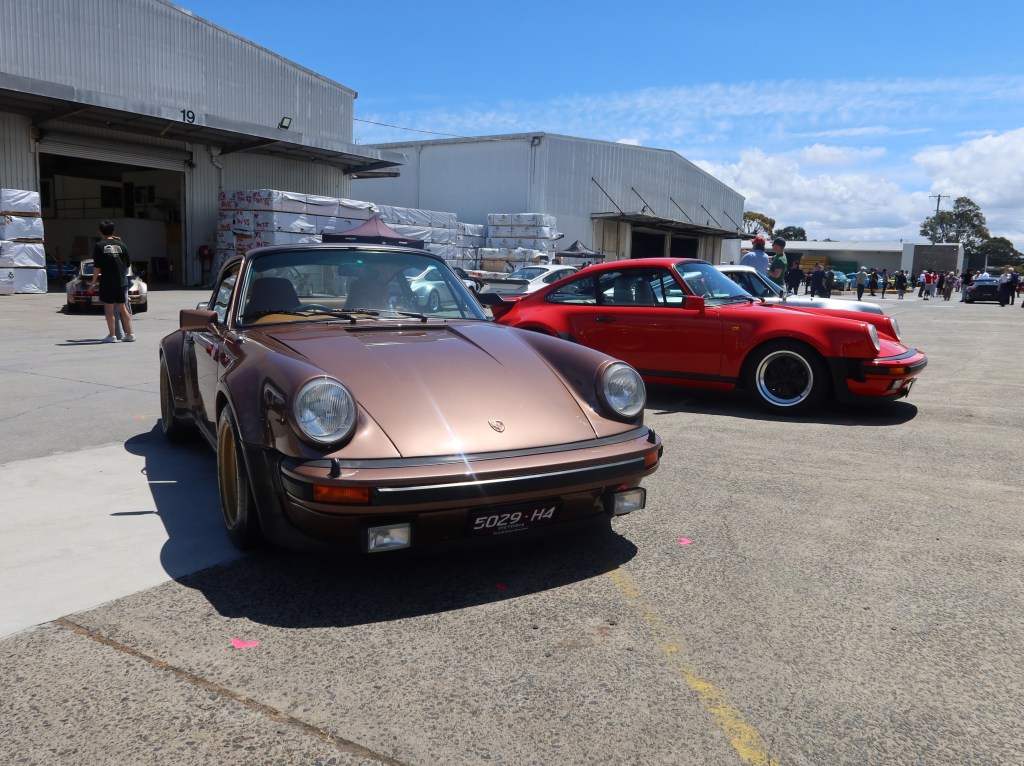
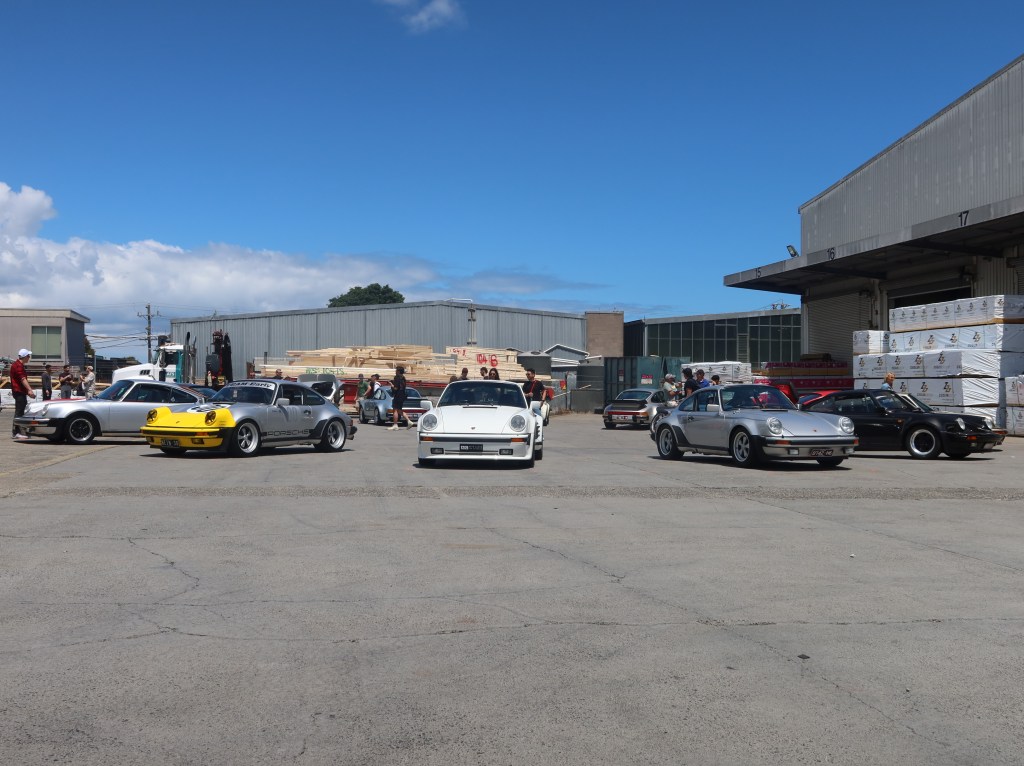
For the old-school crowd, the 930 Turbo provides some proper thrills with an unruly chassis and engine that will kick your arse if you’re not careful. Certain people can’t help but be intoxicated by the raw, bare-chested analog nature of this early 80’s speed machine. The car quickly gained a reputation for being tricky to handle, with the turbo lag and rear-engine layout catching a lot of owners out on the road. Nowadays, these traits can be tamed with modern tyres and suspension, but even so some people still elect to keep things as standard. A lot of time has passed since the wicked ’80s so owners are very wary of the pitfalls, meaning that you don’t see a bunch of them wrapped around telephone poles.
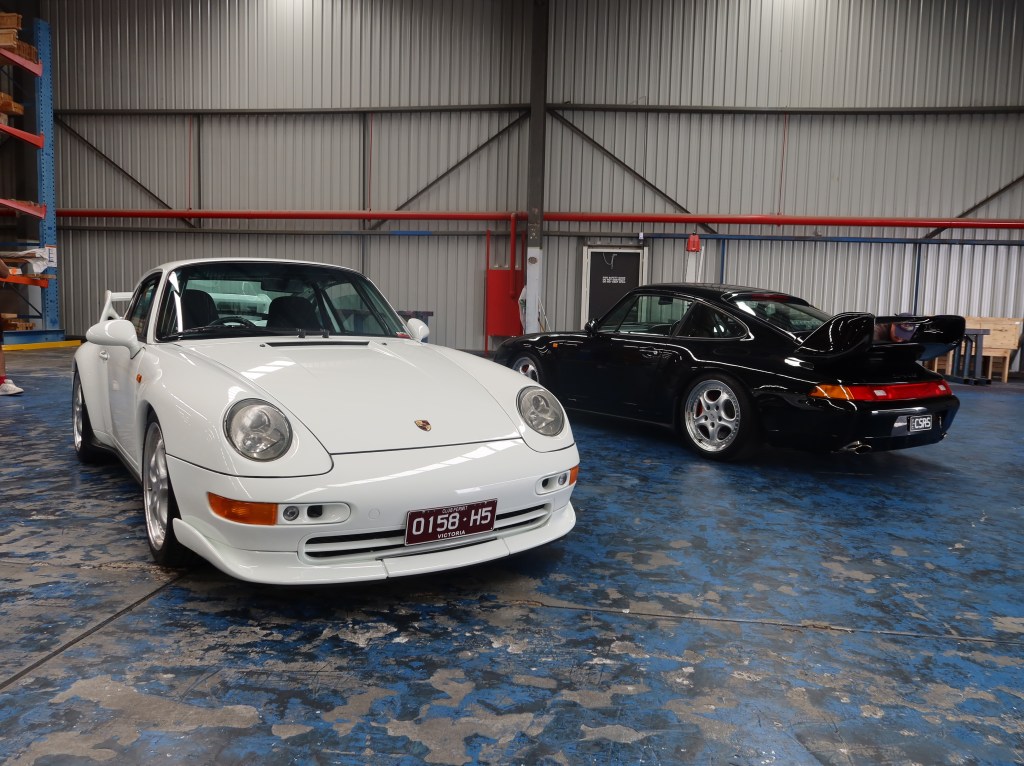
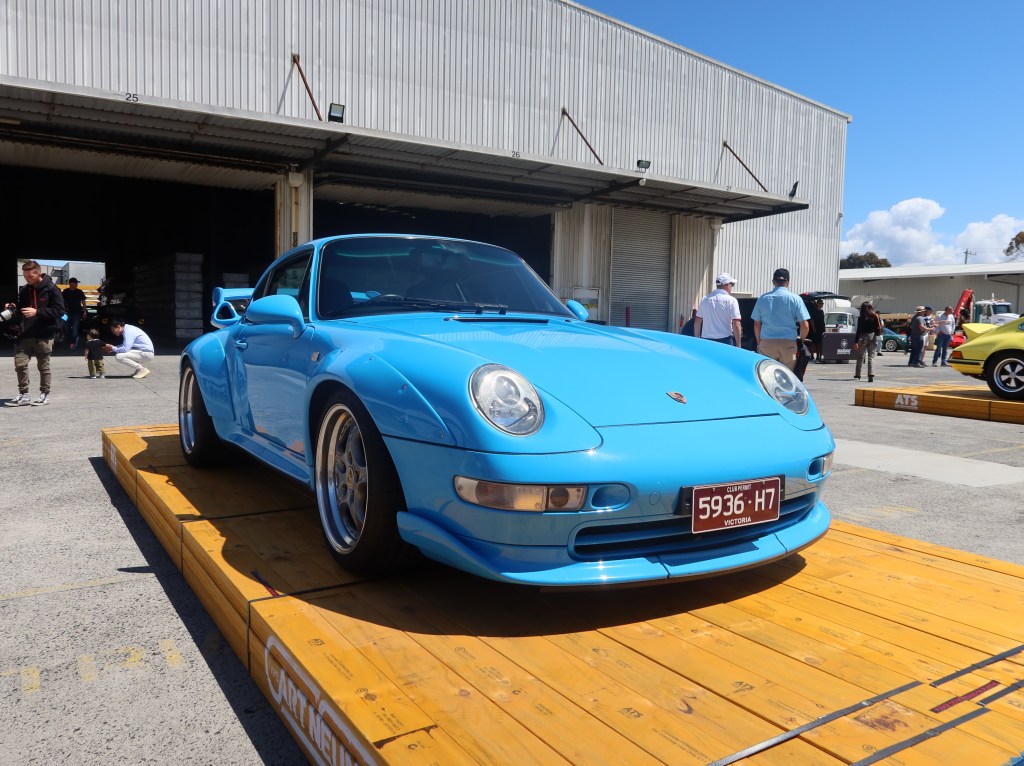
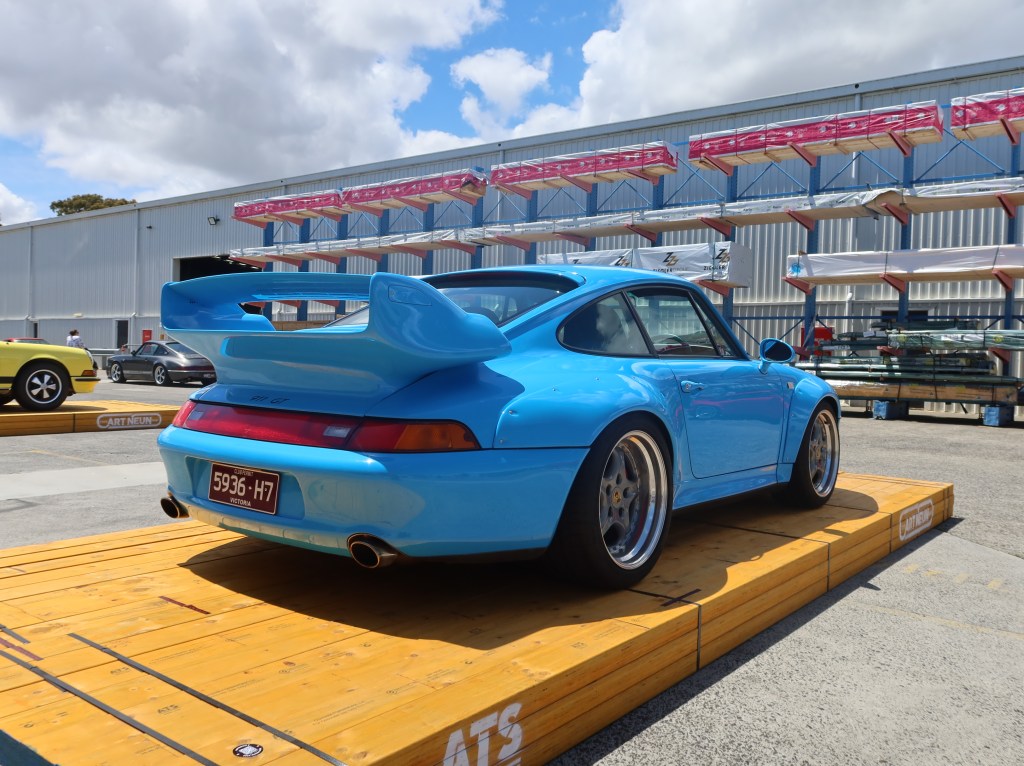
A show like this isn’t complete without some rare 993 911’s in attendance. The black and white cars are RS Clubsport models with stripped interiors and a factory fitted roll-cage, allowing owners to sticker up and race-prep their car without too many modifications. John Fitzgerald did it and made a name for himself in the GT car scene. In fact, he was a key player in bringing the Carrera Cup down to Australia and, as we all know, it’s become a roaring success. If Fitzy gave us anything during his time, it’s that. The blue car on the other hand is a GT2, which had much grander ambitions from the outset. It doesn’t take long for one to get an understanding of this, because the flared wheelarches and thicker tyres compared to the RS CS look far more serious. On the racetrack, it proved to be a world-class competitor through it’s customer racing program, populating endurance championships everywhere and cleaning up in the GT2/GTS class.
Now, let’s take a quick look at some more cars.
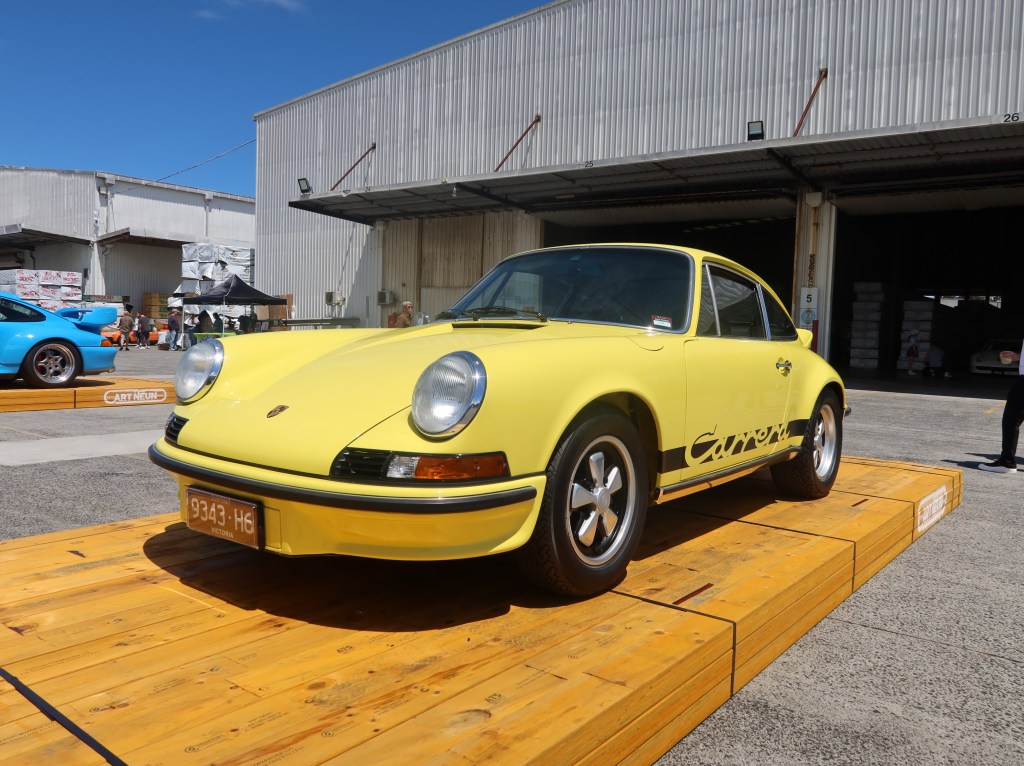
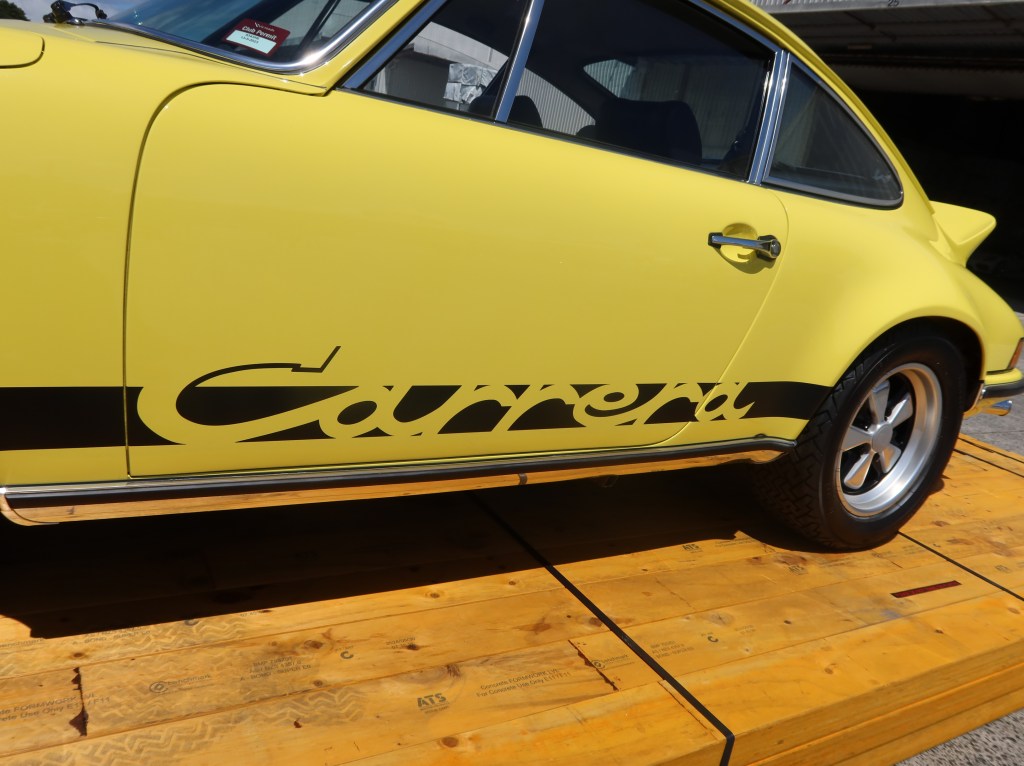
An original 2.7 Carrera RS – the beginning of the RS lineage.

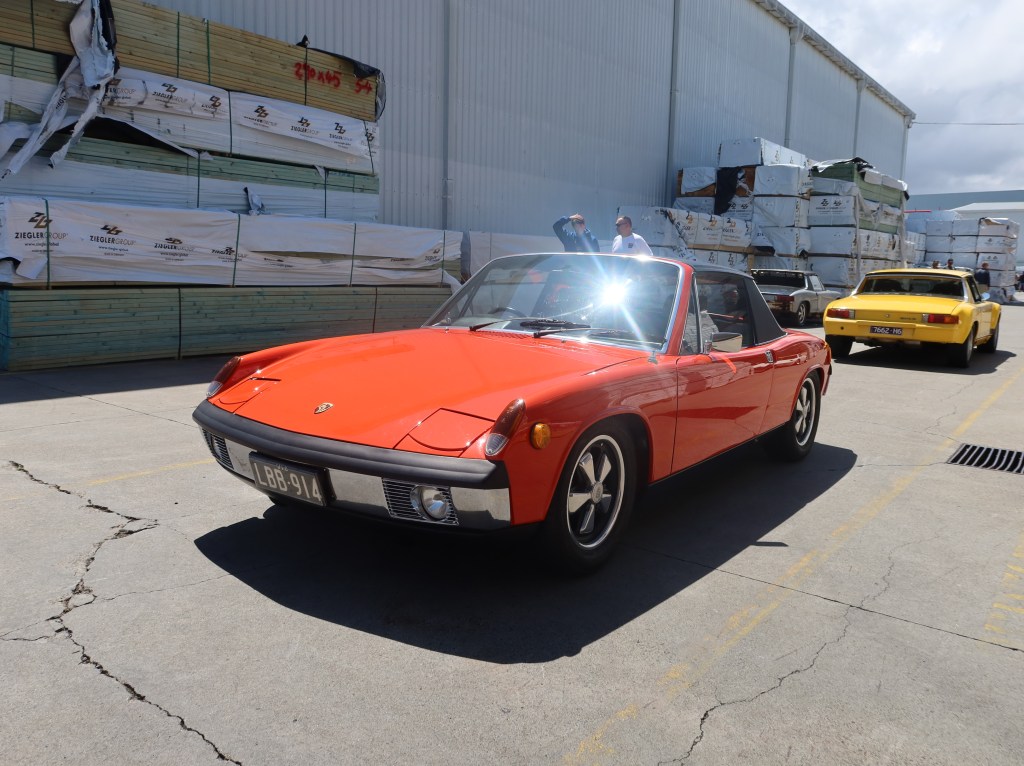

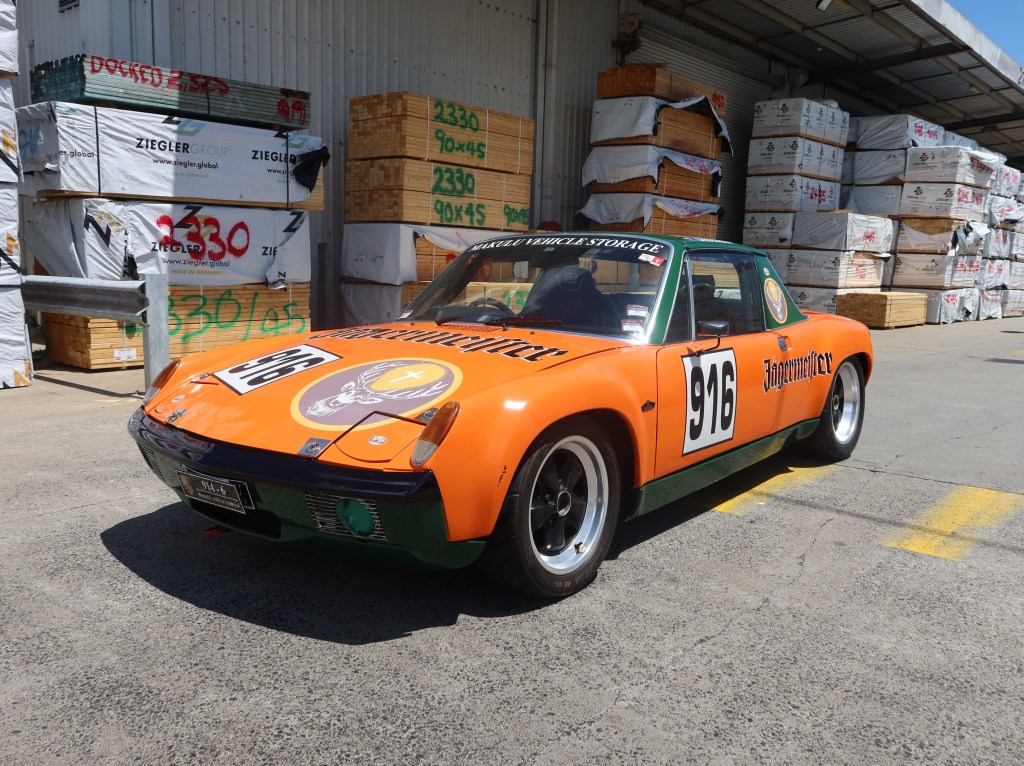
The 914 is a funky machine by Porsche standards. Think of it as a classic Boxster with it’s mid-engine layout.
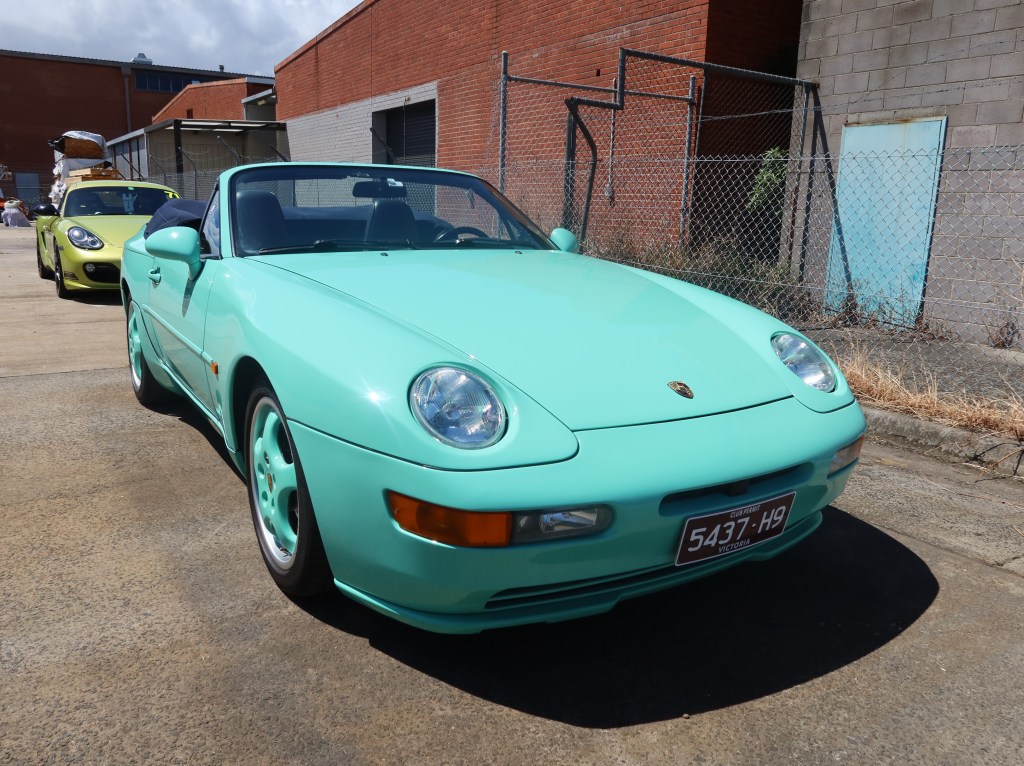
Another minty machine – this time in the form of a front-engined 968 Cabrio. I’m not sure what the specific trim is.
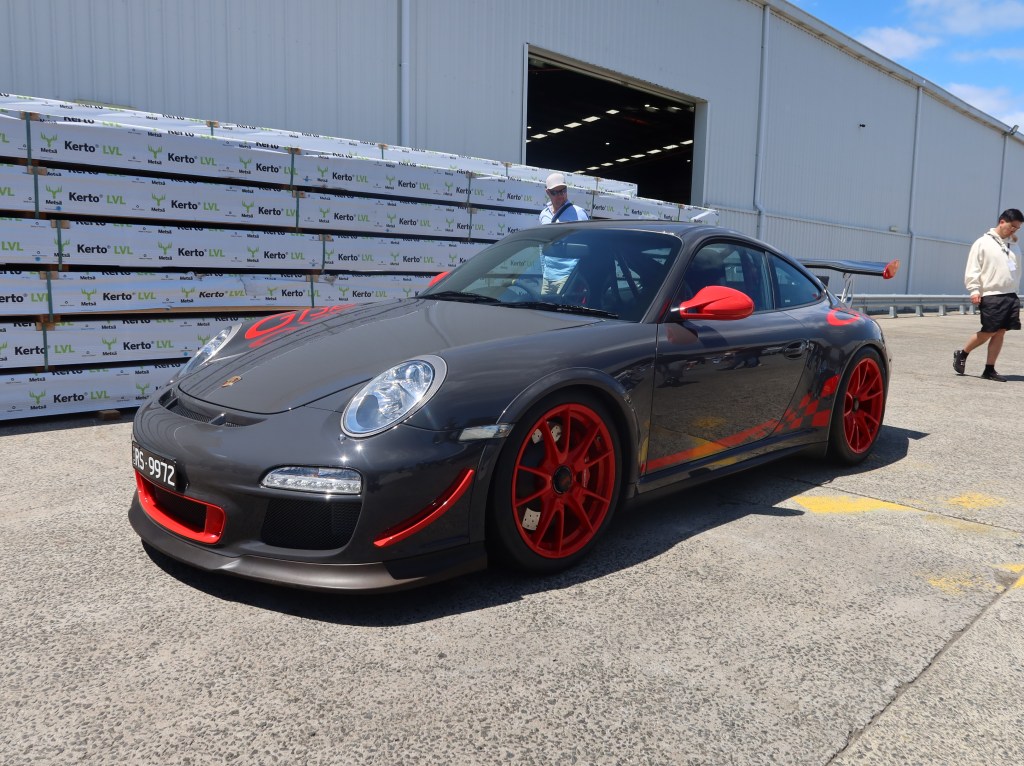
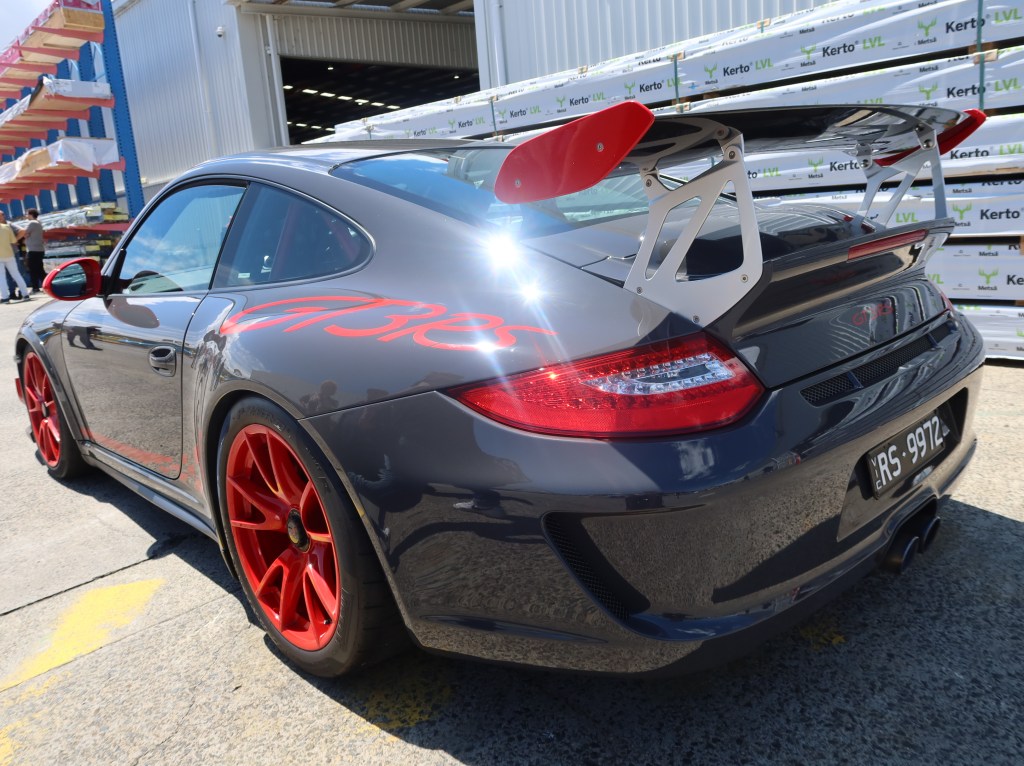
I said to Brendan (the man behind Art Nuen) that I’m not too big on the 997, but I do know that Pat (@2pjz) is a big fan of the 997.2 GT3 RS.
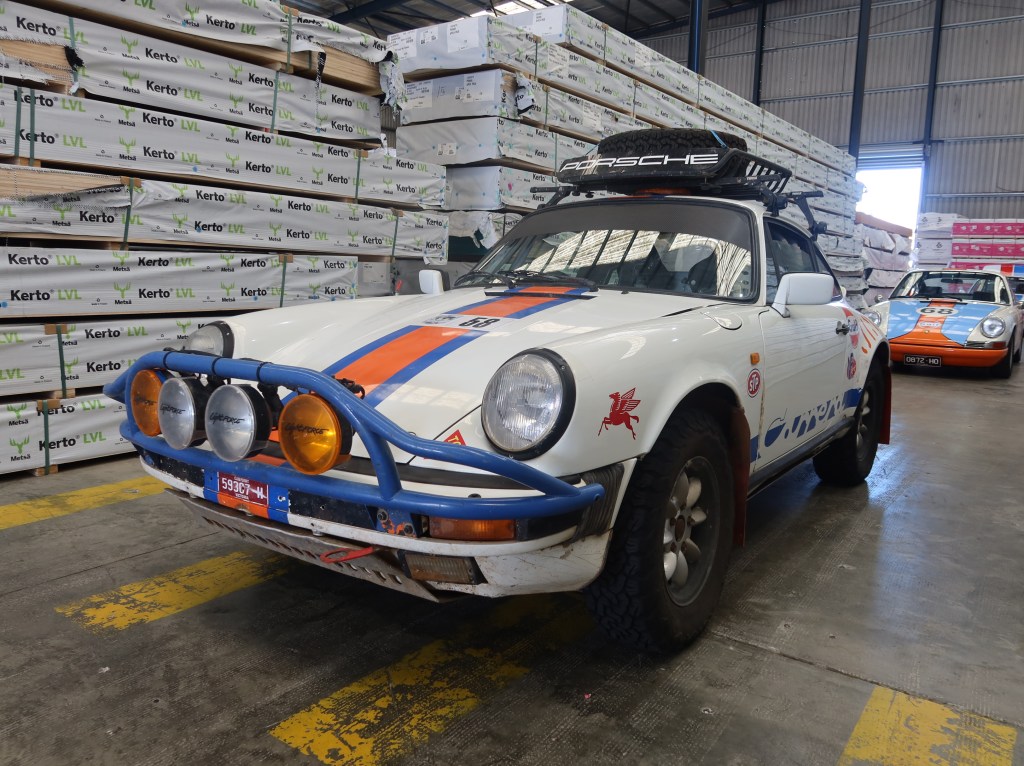
Not all 911’s are built for tarmac. Some are built for the dirt like this one.
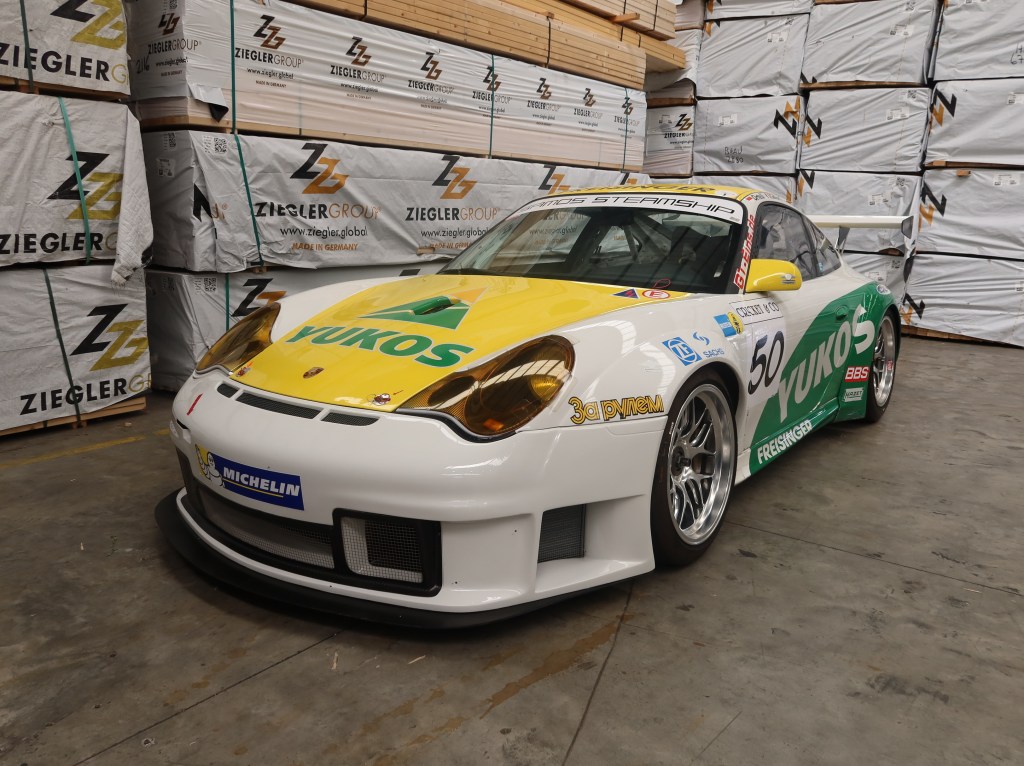
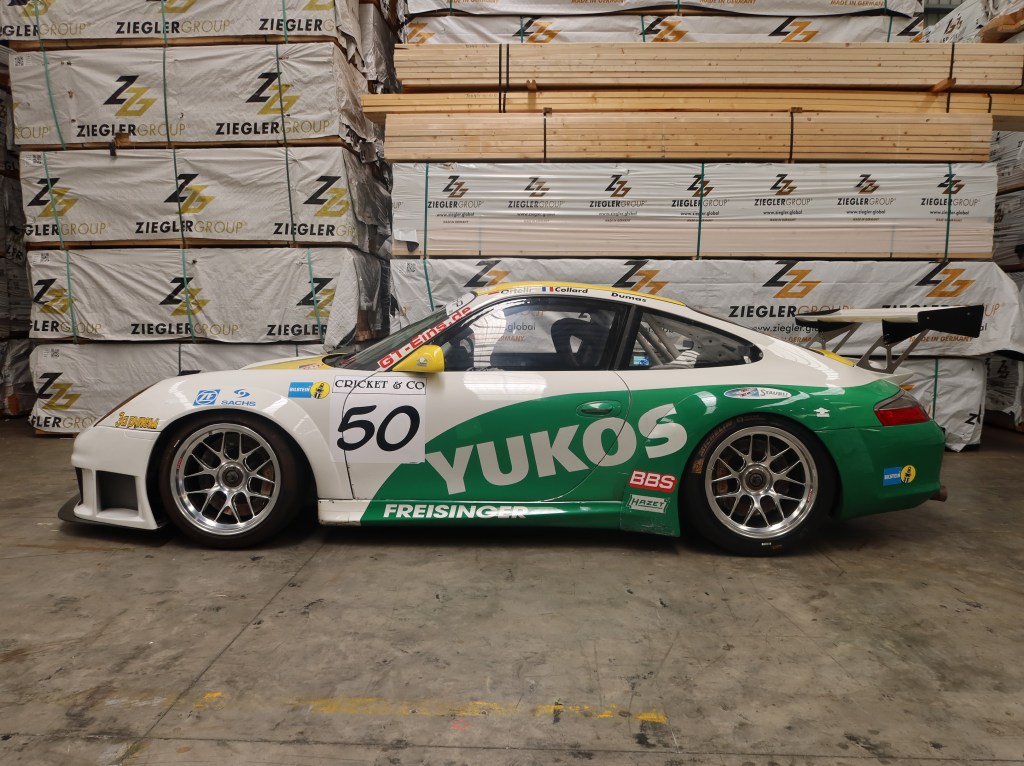
This 996 GT3 RSR was raced in the 2004 FIA GT Championship, seeing action at Spa, Hockenheim and Le Mans.

How appropriate to have a wooden Porsche 356 in a woodyard.
So, how does one sum up such an event? Well, compared to the previous one in 2023, it was much bigger and more like a proper show instead of a casual meet-up in Port Melbourne. A bunch of spotters who I follow attended to photograph the many cars dotted in and around the five warehouses, which tells me that it was a great success. The whole “live art” idea is absolute genius and the incredible response is a testament to Brendan and his team of partners. A big shout out also goes to ATS Building Supplies for opening up the facility and providing a quality venue. I think it’s fair to say that we all respect the brand and it’s history, because there’s never been a “bad” Porsche. We don’t know what the future holds but we can count on one thing: Stuttgart’s beloved automaker will be at the forefront of technical excellence. Long may we celebrate.
 DevMacCars