
Formula 1. The pinnacle of motor racing since 1950. A championship that has written itself into the hearts and minds of racing enthusiasts from all over the world. A place where innovation meets competition, testing both man and machine to the absolute limit. From the workshop to the checkered flag, every detail is analysed and every part is meticulously crafted down to the millimetre. It is a celebration of the human spirit and the dogged determination to win. No prize is greater… unless you’re Max Verstappen, who has one of his 4 championship trophies on his minifridge. Anyway, welcome to the F1 Exhibition. This exhibition tells the story of Formula 1 like never before, showcasing the cars, drivers, and innovations that have shaped the sport into the worldwide juggernaut we know and love today. Buckle up because this will be a fun one.
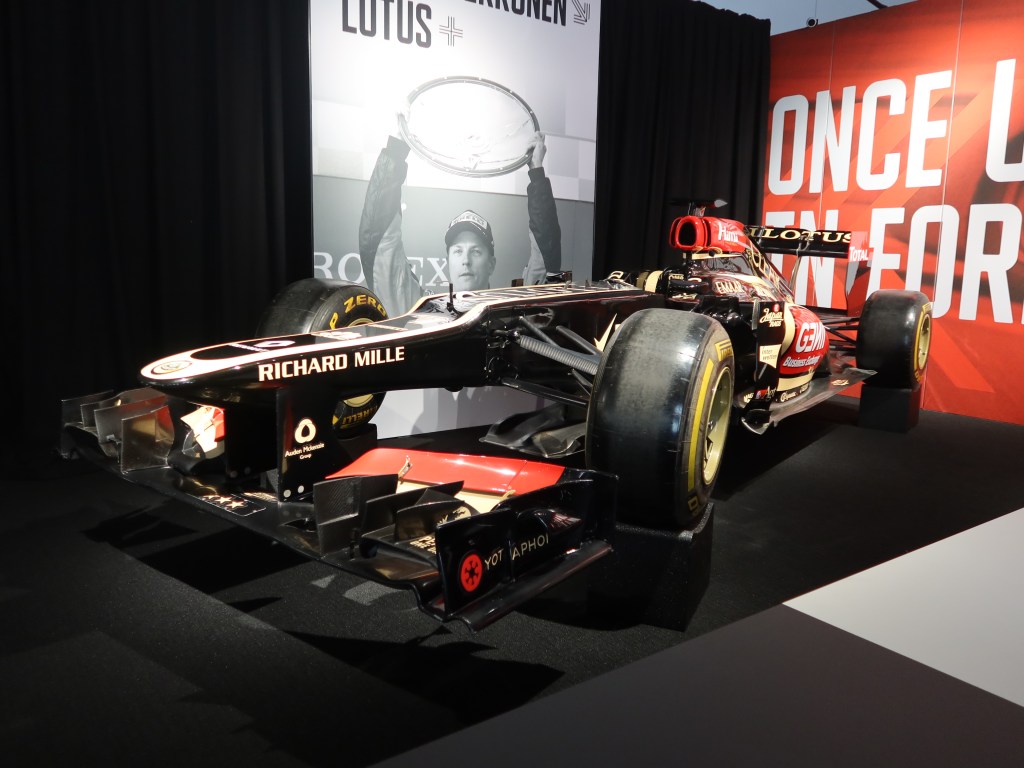
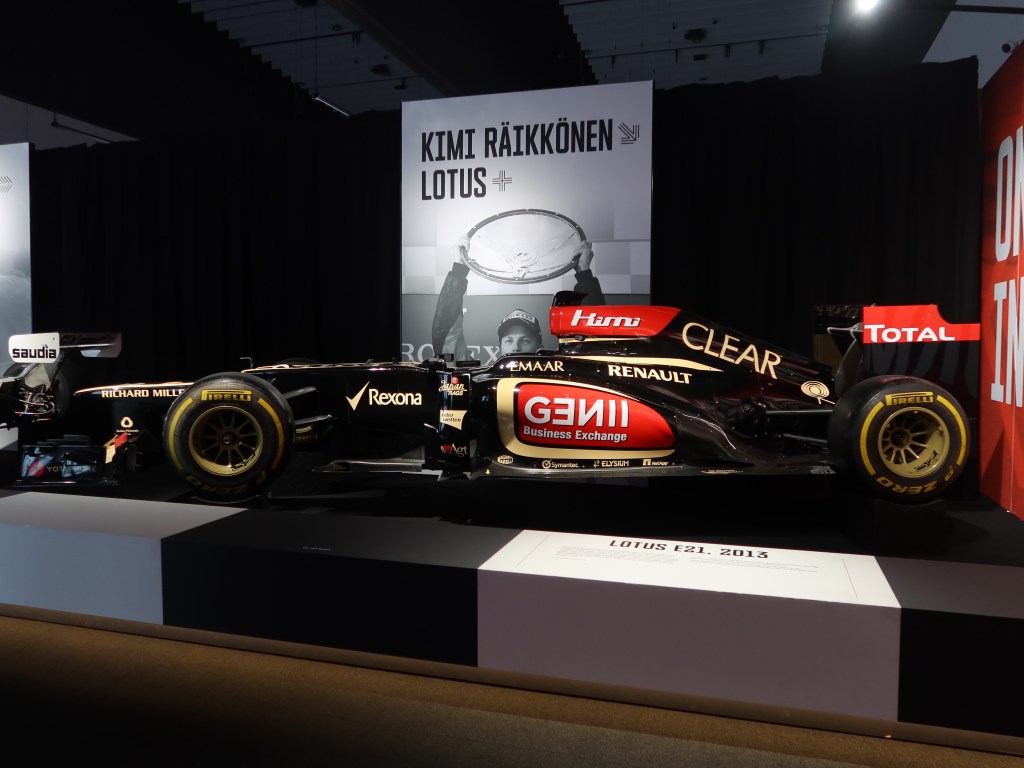

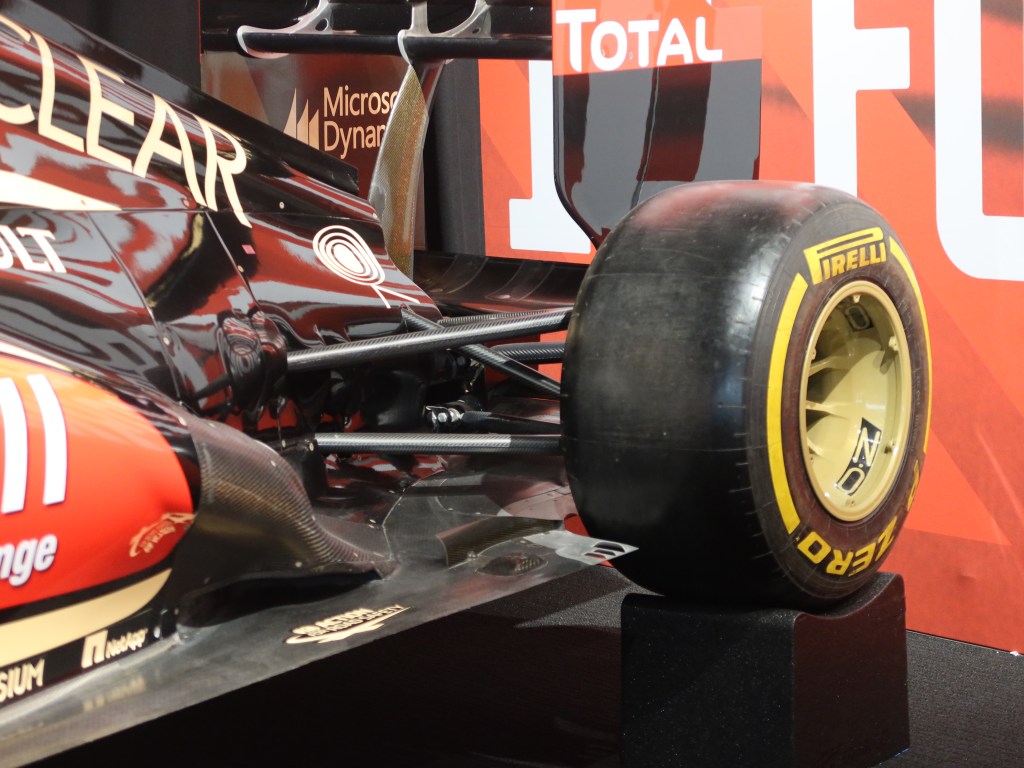
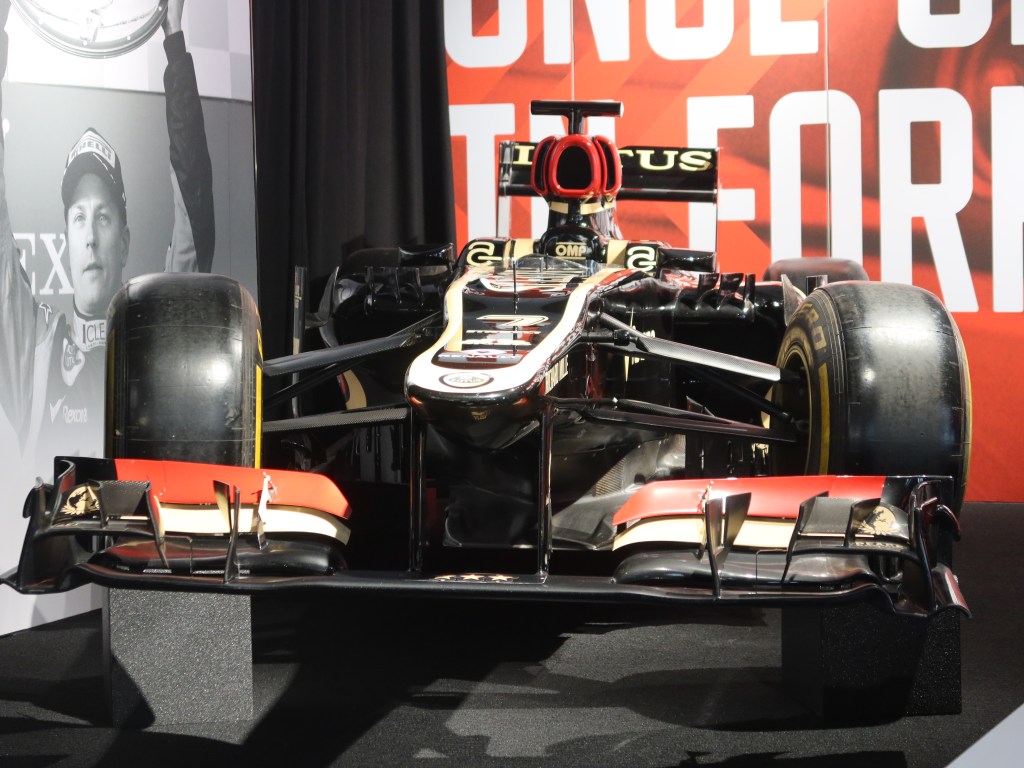
This is Kimi Raikkonen’s 2013 Australian GP winner, known as the Lotus E21 – although it’s probably more Renault as it came out of Enstone. His 2013 campaign was a fruitful one, racking up several podiums on the way to 5th in the driver’s standings. This might sound great but a clause in Kimi’s contract said that he’d get extra money for every point he scored, so his results almost bankrupted the team!

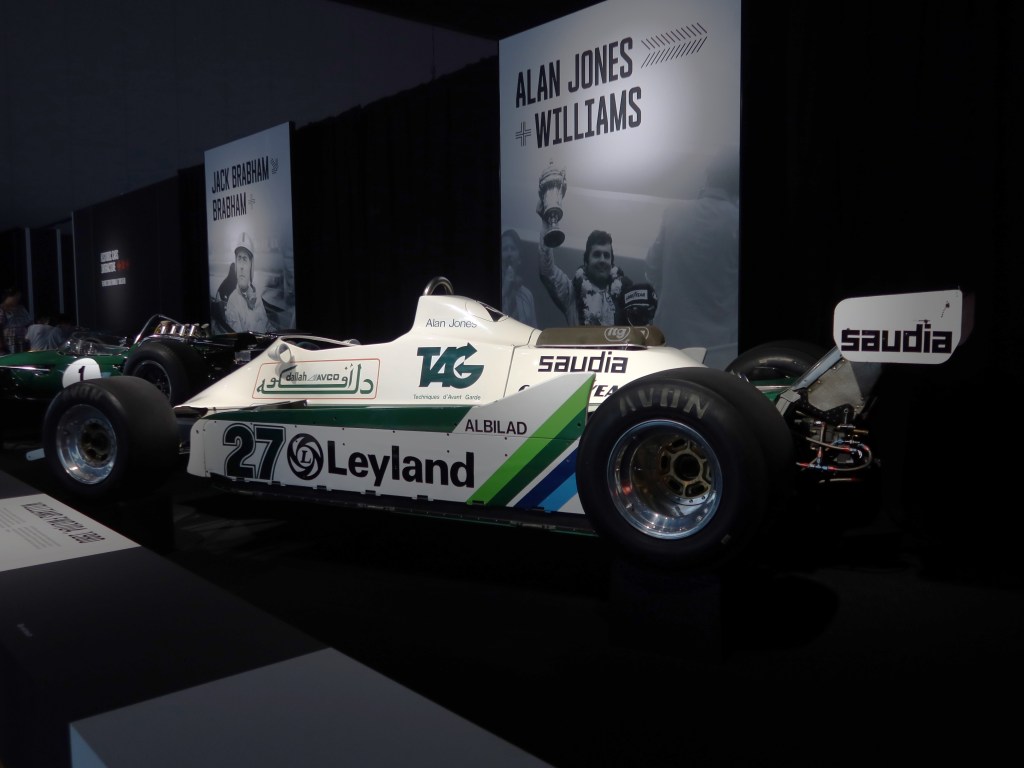
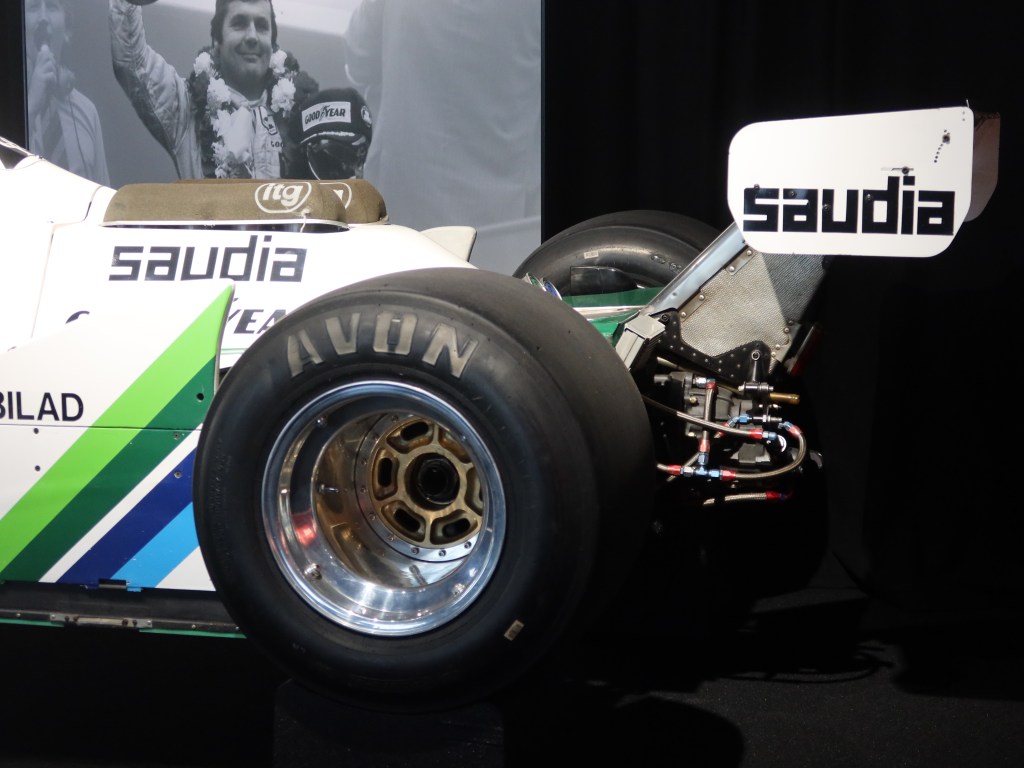
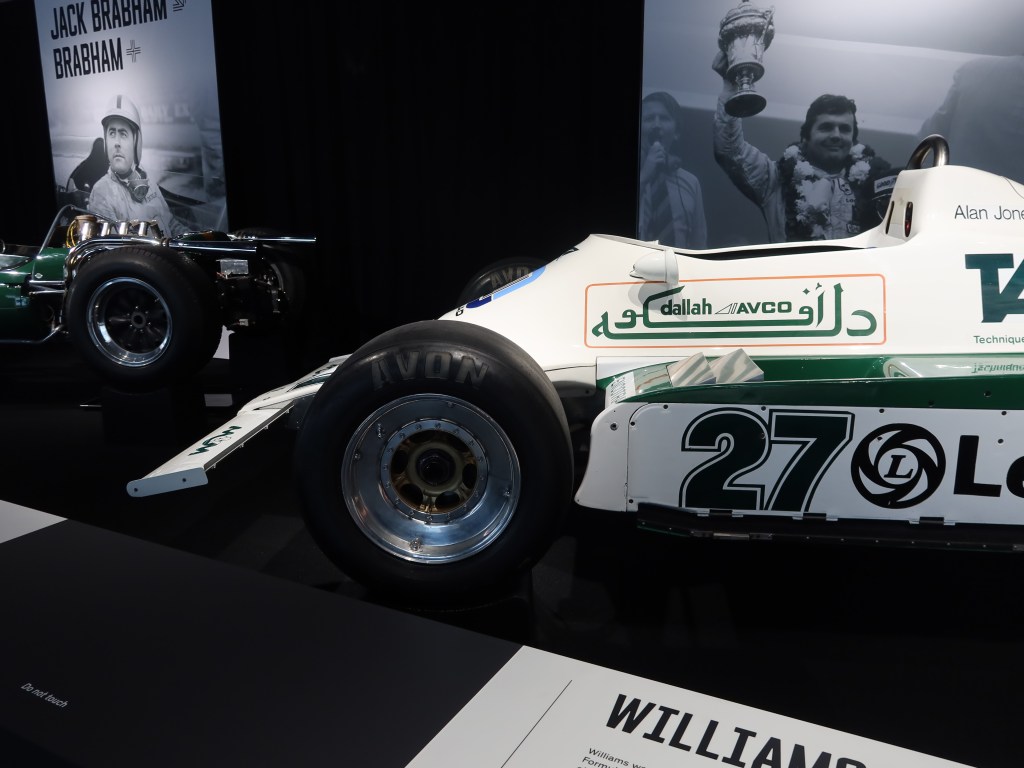
This is Alan Jones’ championship winning Williams from 1980, powered by the Cosworth DFV – a revolutionary engine that helped power numerous victories and championships. Compared to the E21, the aero is much simpler but because of the ground effect created by negative pressure underneath the car, the road holding was sublime – given that the skirts sealed the floor. The ground effect was banned for many years shortly after this, only being re-introduced in 2022. It will be banned again for the 2026 season.
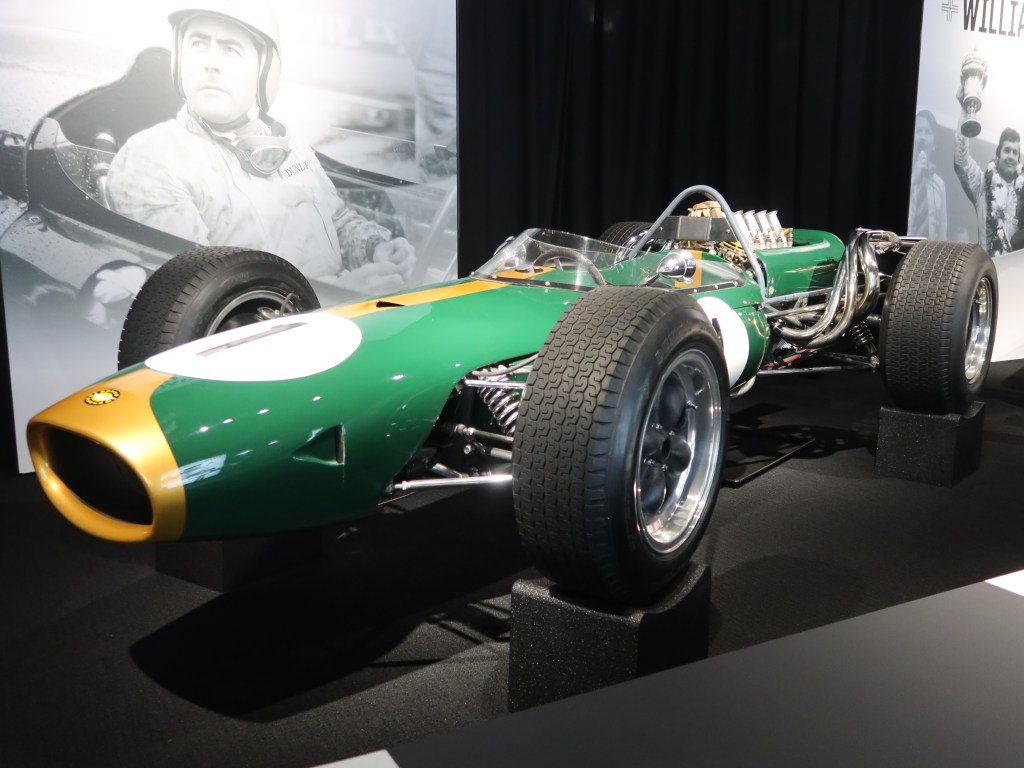


This is the 1966 championship winner, the legendary Brabham BT-19 raced by Australian Jack Brabham and built right here in Melbourne with engineering friend Ron Tauranac. It’s the only one in existence. No other driver in F1 history has won the world championship with their own car, which makes it very special indeed. In 1967, his Kiwi team mate Denny Hulme won the championship in a similar car. This was just before the Lotus 49 and the all-conquering Cosworth DFV came in, so Jack Brabham was very much in the right place at the right time.
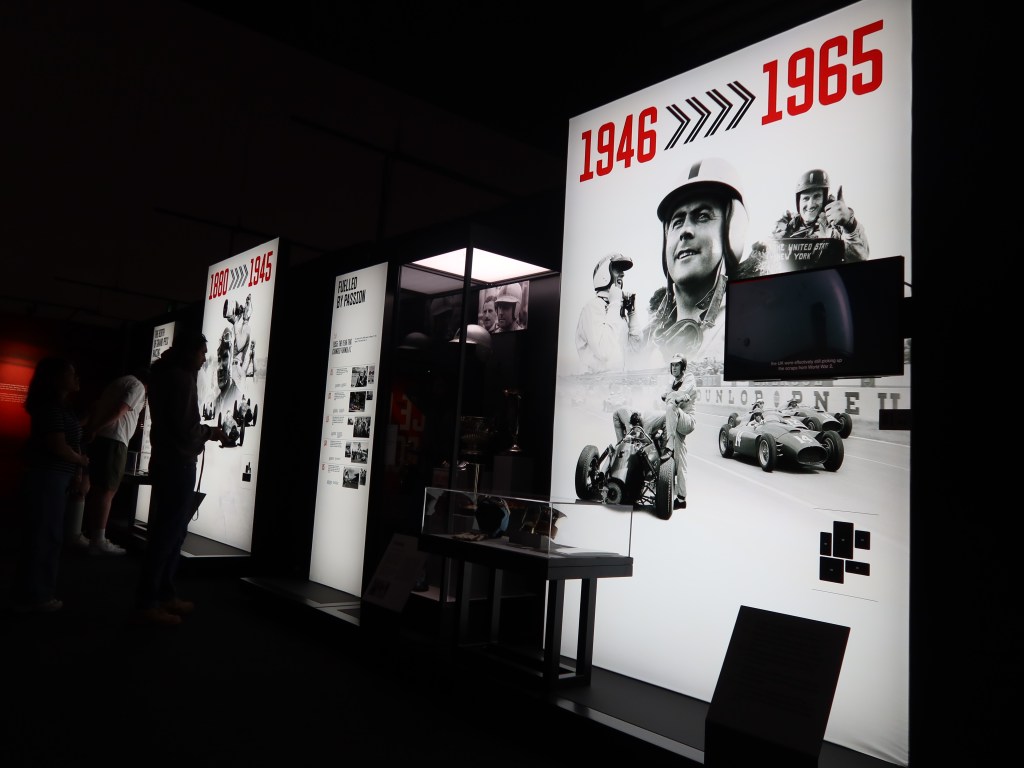


On the other side of the room, the story of Grand Prix racing and Formula 1 is told with key points from a bunch of different eras. For people who don’t know a whole lot about the sport, this is a quick way of getting up to speed. It also gives an outline as to what the exhibition entails.

Here is the first aluminium monocoque chassis used on the Lotus 25. Monocoque is a French word meaning “single shell” and it had many benefits compared to a tube-frame chassis. It was more compact, resulting in a lighter car; it was stronger, resulting in better cornering; and it was a lot simpler to build due to less components. Despite being called a bathtub, this simplistic structure has formed the basis for all F1 cars since.
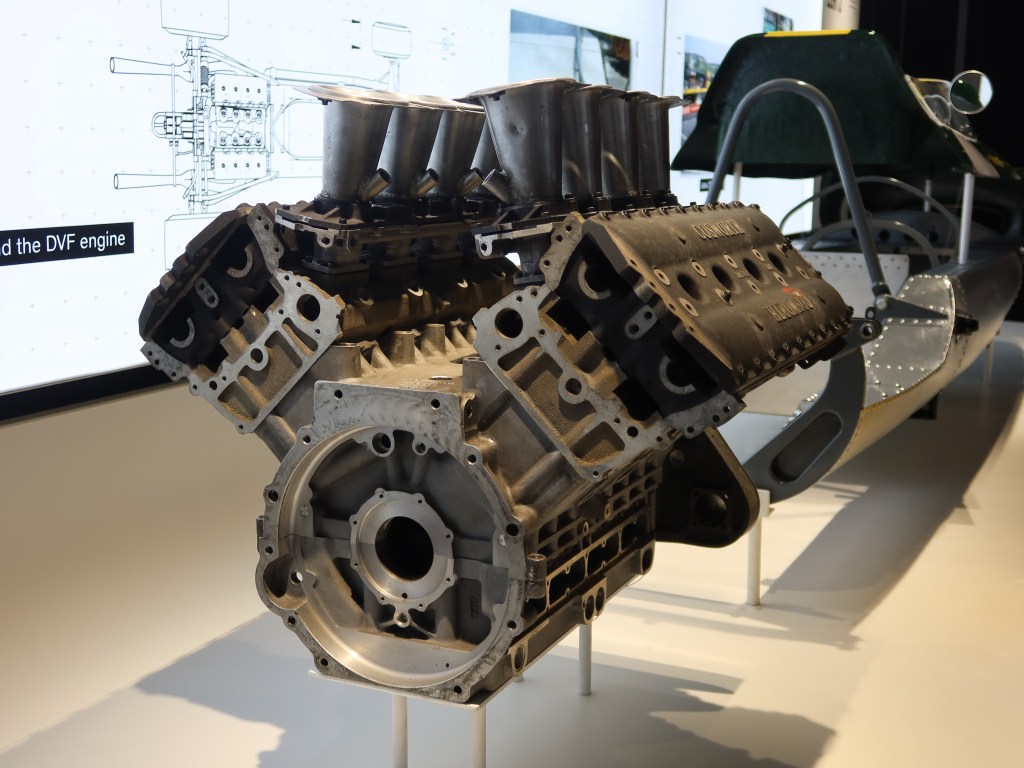
Now for the engine that changed the game – the Cosworth DFV. What does DFV mean you ask? It means “double four valve” because it’s 2 four valve per cylinder inline 4 engines stuck together in a V configuration. After a rocky start to life in 1967, it proved to be a dominant force with the Lotus 49 and 49B in 1968, giving Graham Hill his second championship. In the very next season, every car except the Ferraris had a Cosworth DFV in the back of it. Incredibly, the engine was in use until 1985, racking up a total of 155 wins, 12 driver’s championships and 10 constructor’s championships.
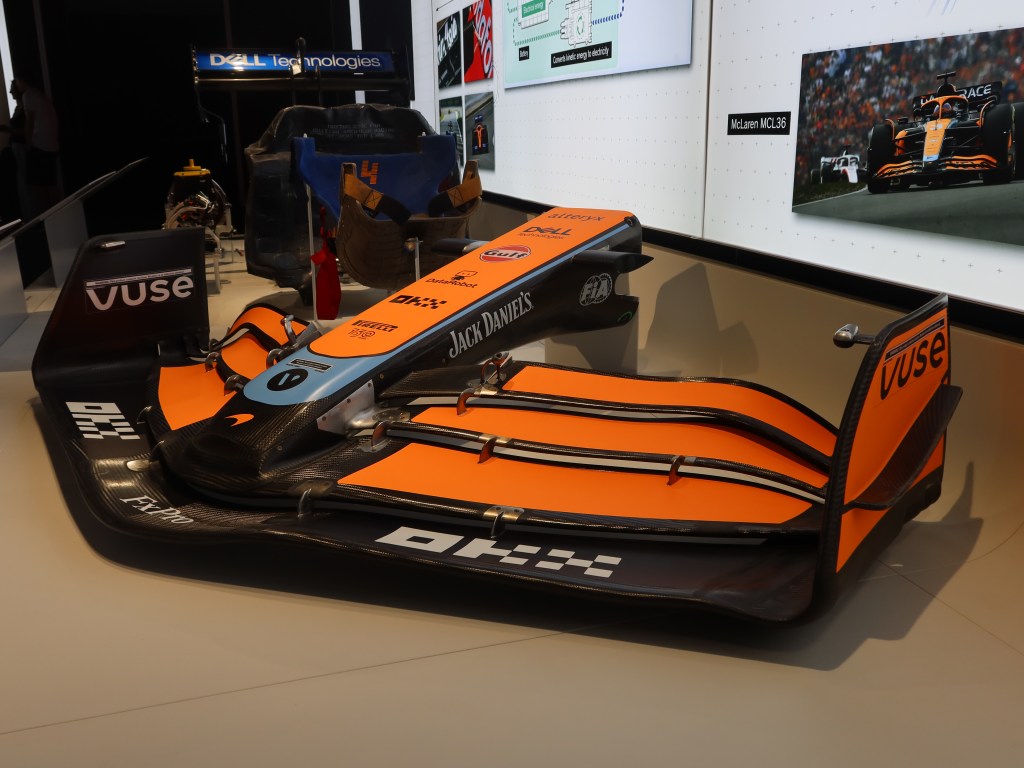
This is a front wing from the 2022 McLaren. Compared to the crazy designs of 2018, this is much simpler but it still produces a large amount of downforce that no other formula can match.
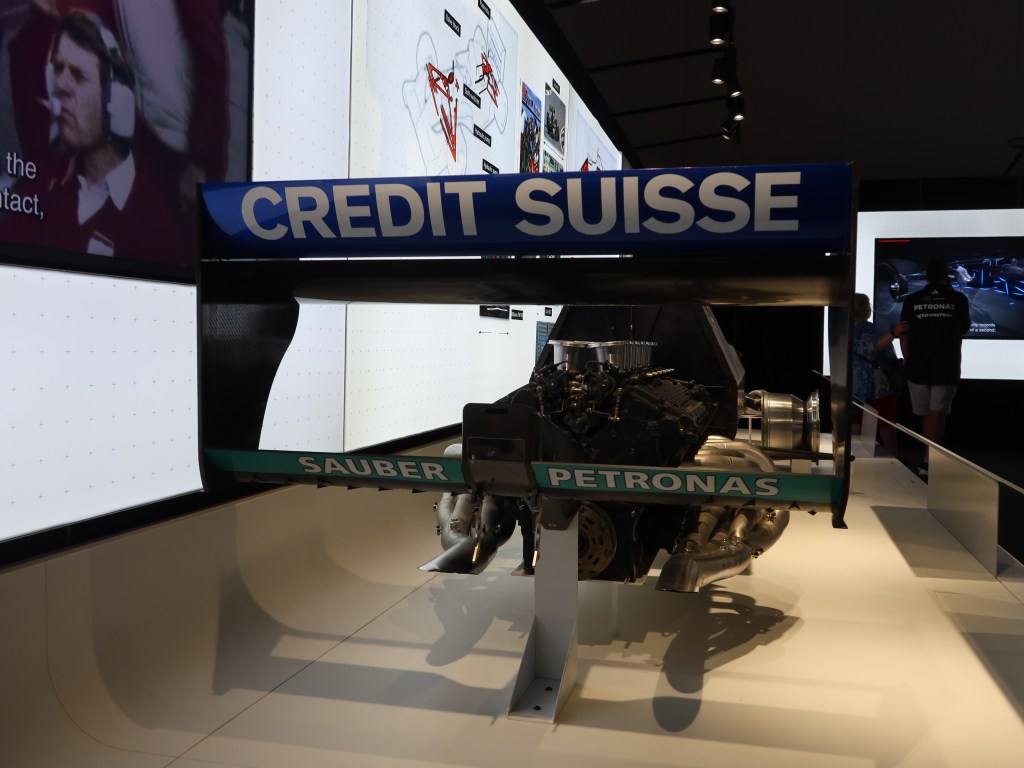
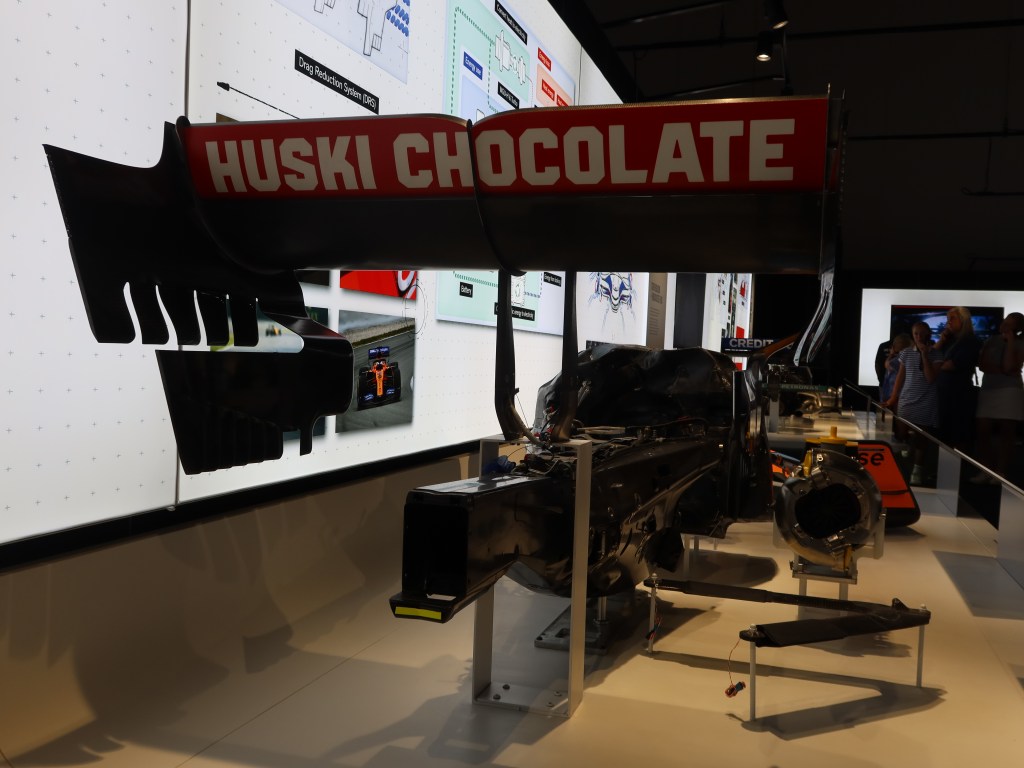
Take a look at these 2 rear wing assemblies and tell me which one generates more downforce. The first assembly is from a Sauber that raced in 2000 and the second is from a McLaren that raced in 2019.
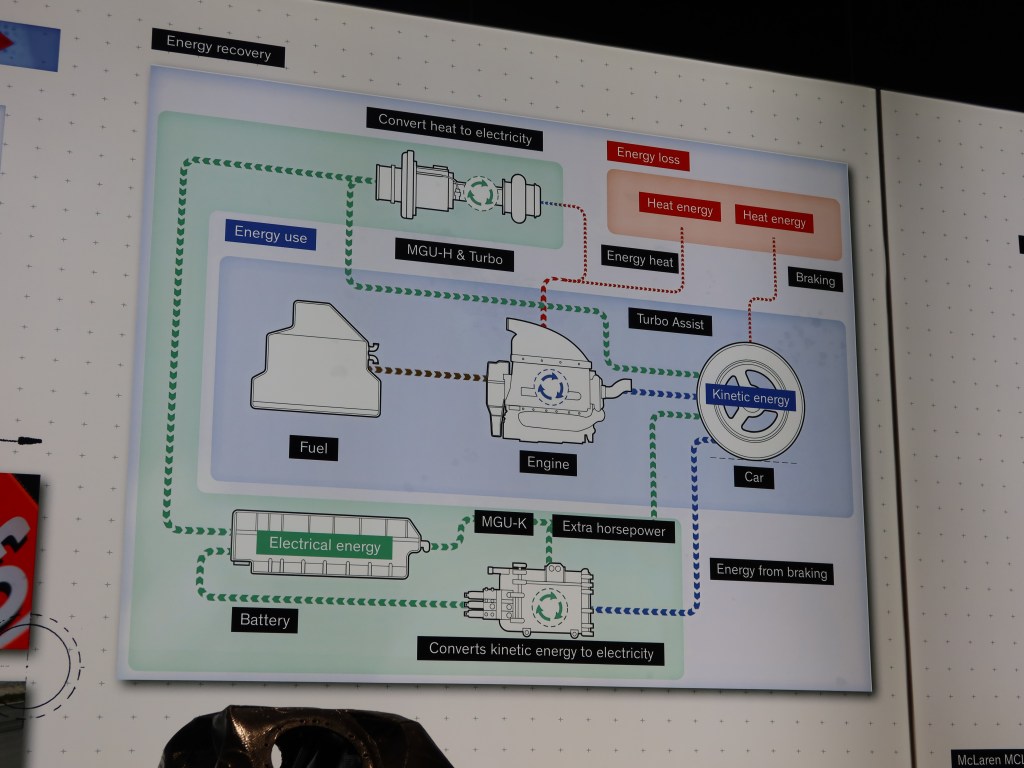
Ever wondered how a modern turbo-hybrid F1 engine works? Well wonder no more with this helpful flow chart.
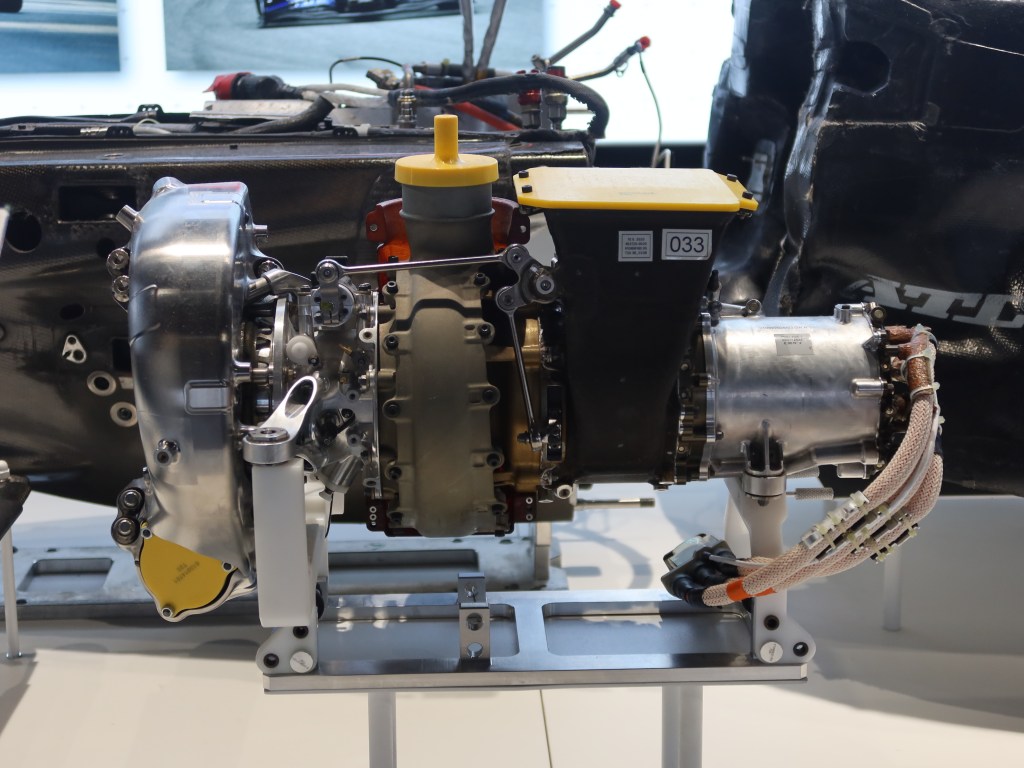
This little device here is the MGU-H – a motor-generator unit which recovers heat energy that would otherwise go to waste from the turbo. In 2026, it will be ditched entirely to make the cars simpler, whilst increasing the size of the other MGU that recovers kinetic energy from braking.
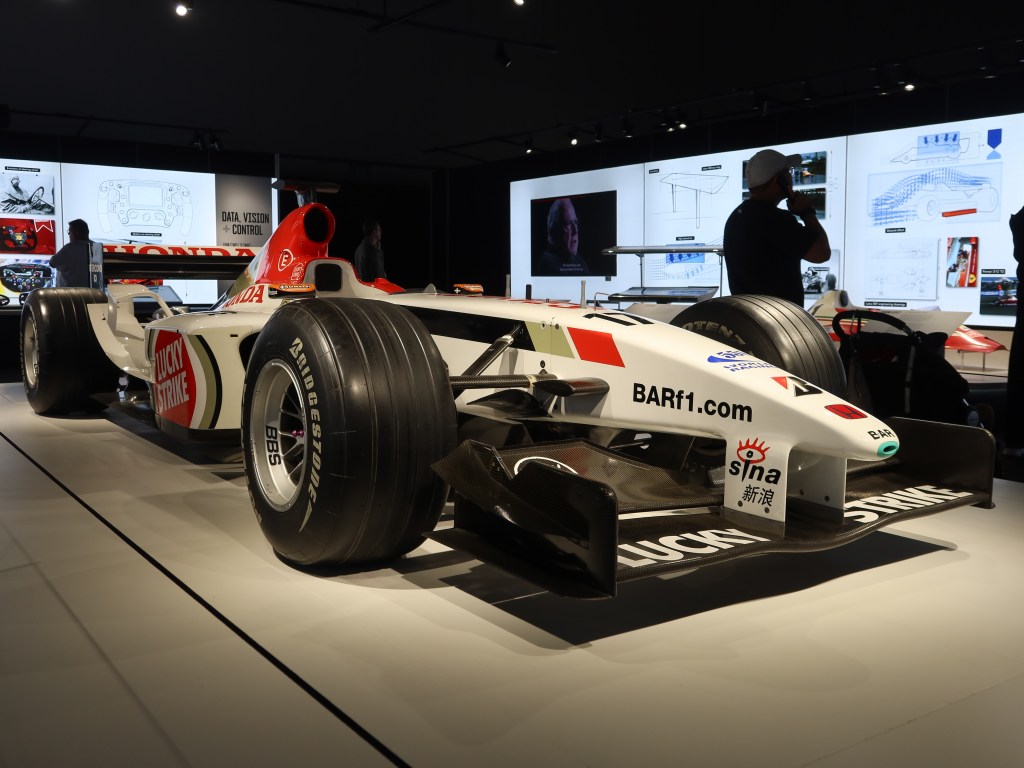
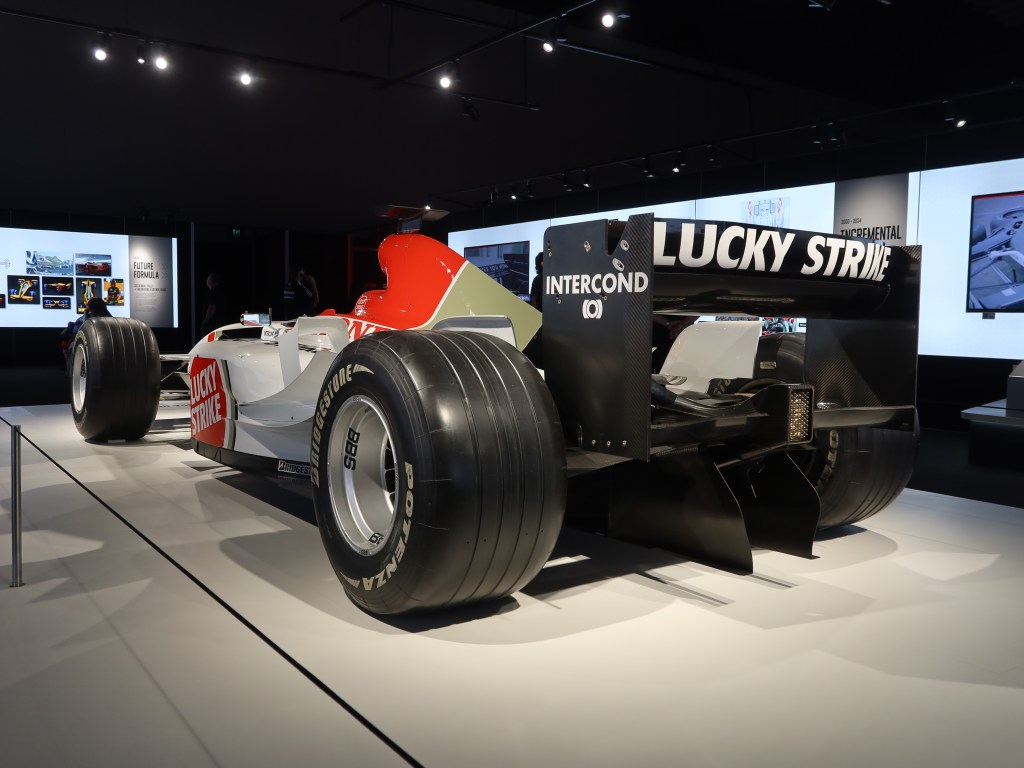


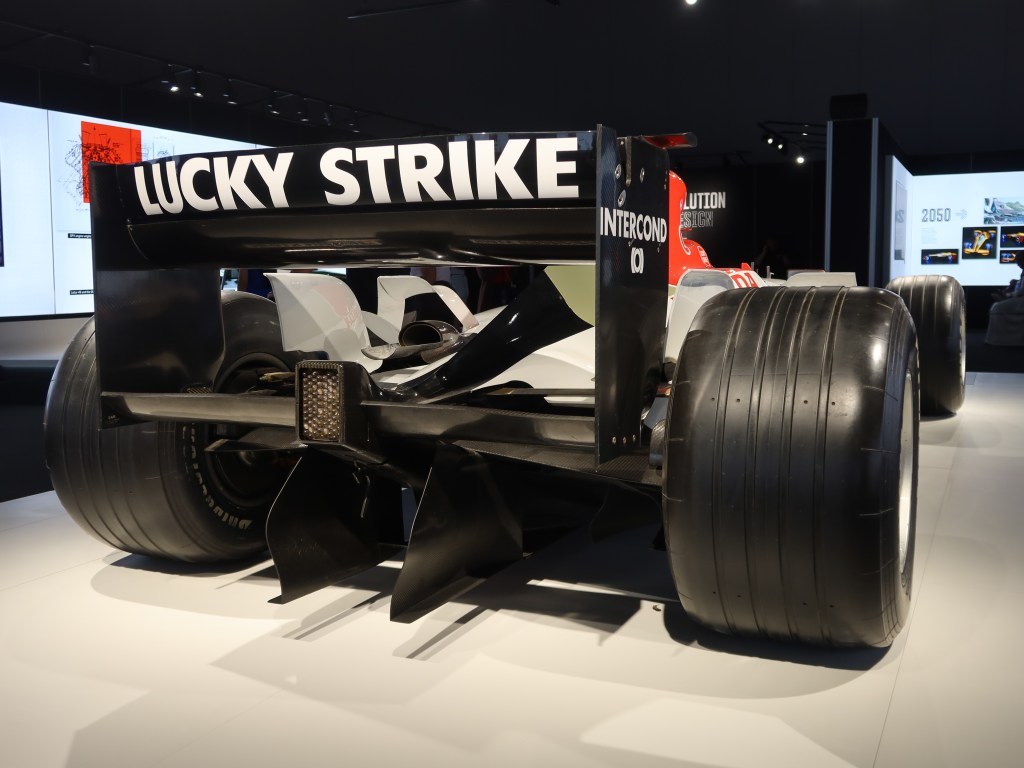
This is the 2003 BAR Honda driven by Jenson Button – one of the naturally aspirated V10 heroes from a fondly remember era. Back then the cars used 3 litre V10 engines that screamed all the way to a mind-boggling 18,000 RPM. They could produce almost 1000HP without a turbocharger and a hybrid system to help them. These engines were pushing the physical limits of combustion and the speeds were immense because the cars were a whole lot lighter than today. Moreover, the aerodynamics weren’t as complex, placing more emphasis on mechanical grip. The V10 cars were absolute monsters and won’t ever be forgotten by the diehards.
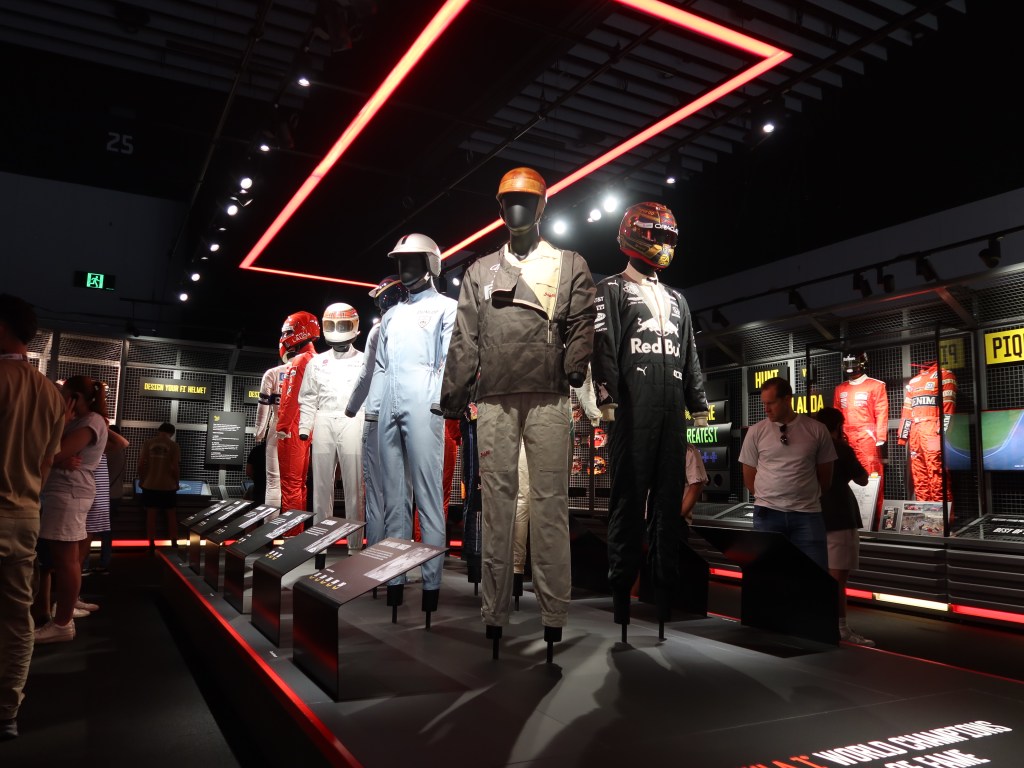
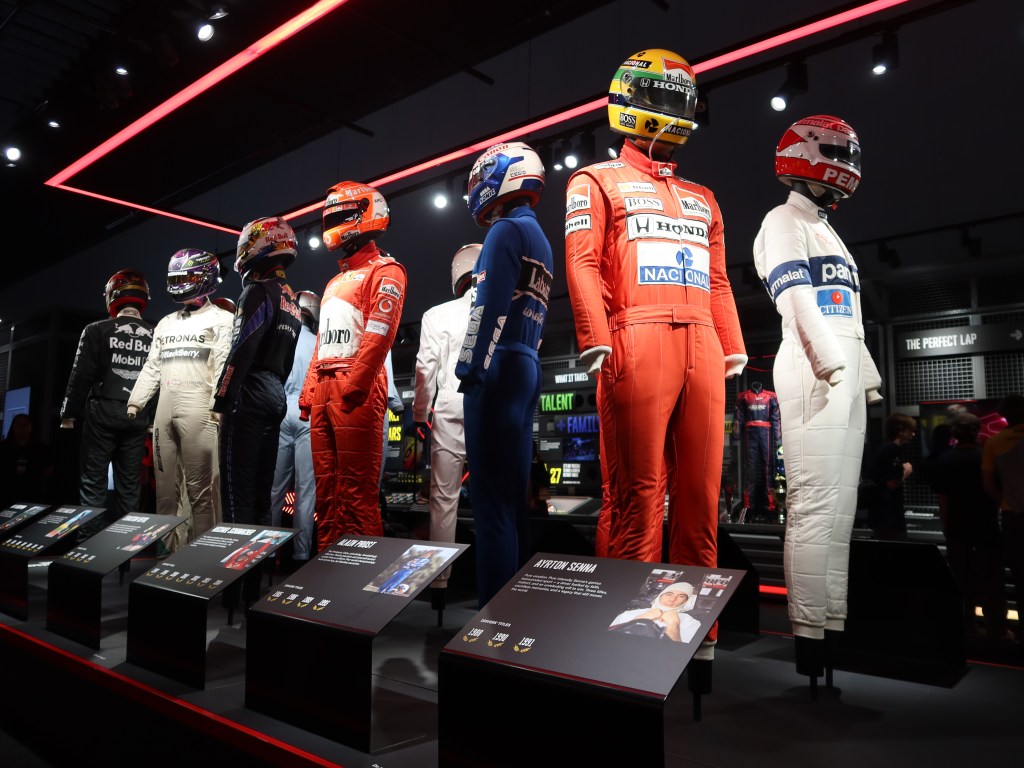
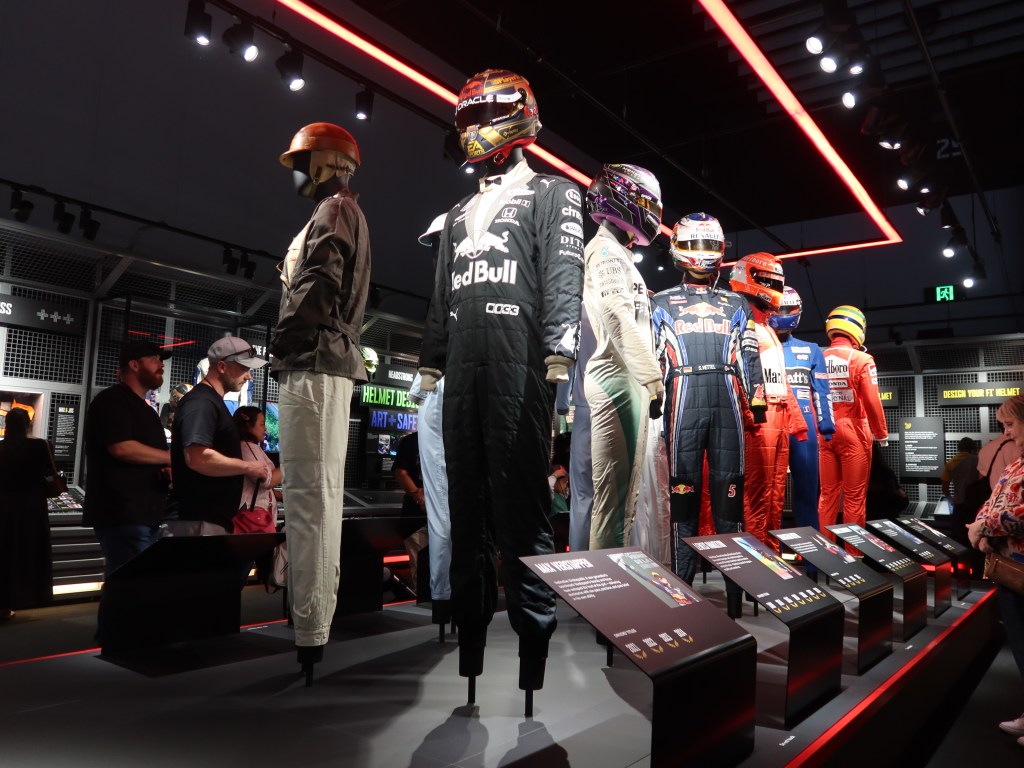
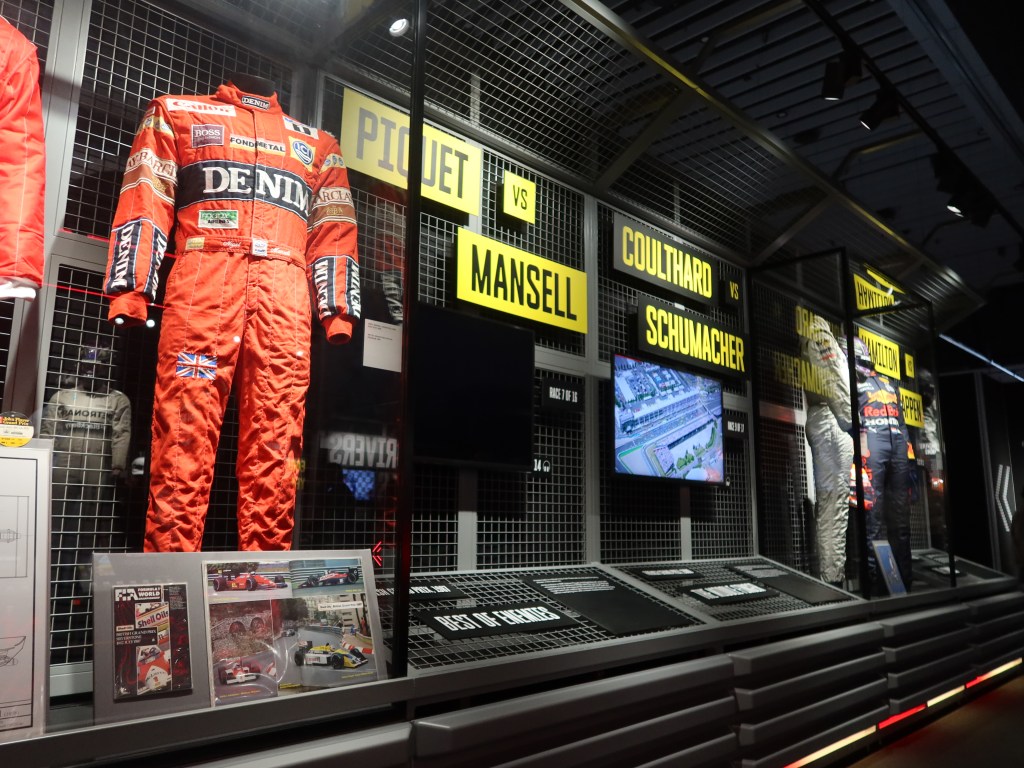
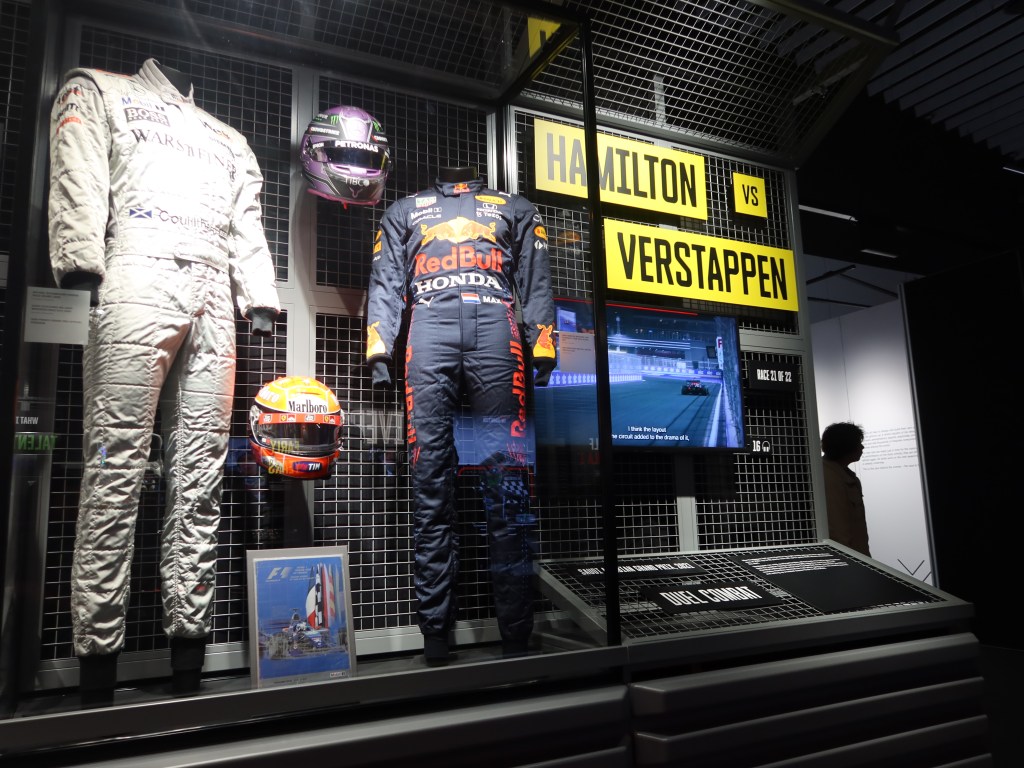
Another aspect that has evolved is the protective clothing. From the cloth and fabric of old race suits to the modern nomex fireproof suits and helmets, all of it is covered here. These are a few famous suit and helmet combinations worn by the likes of Graham Hill, Jackie Stewart, Ayrton Senna, Alain Prost, Michael Schumacher, Sebastian Vettel, Lewis Hamilton and Max Verstappen.
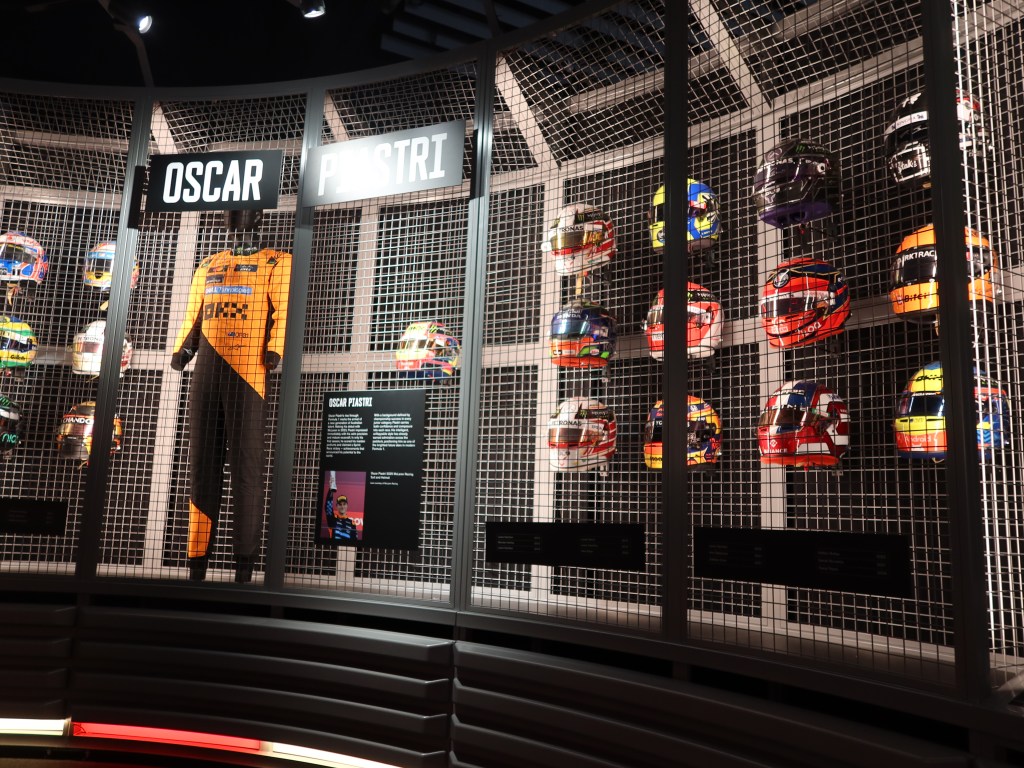
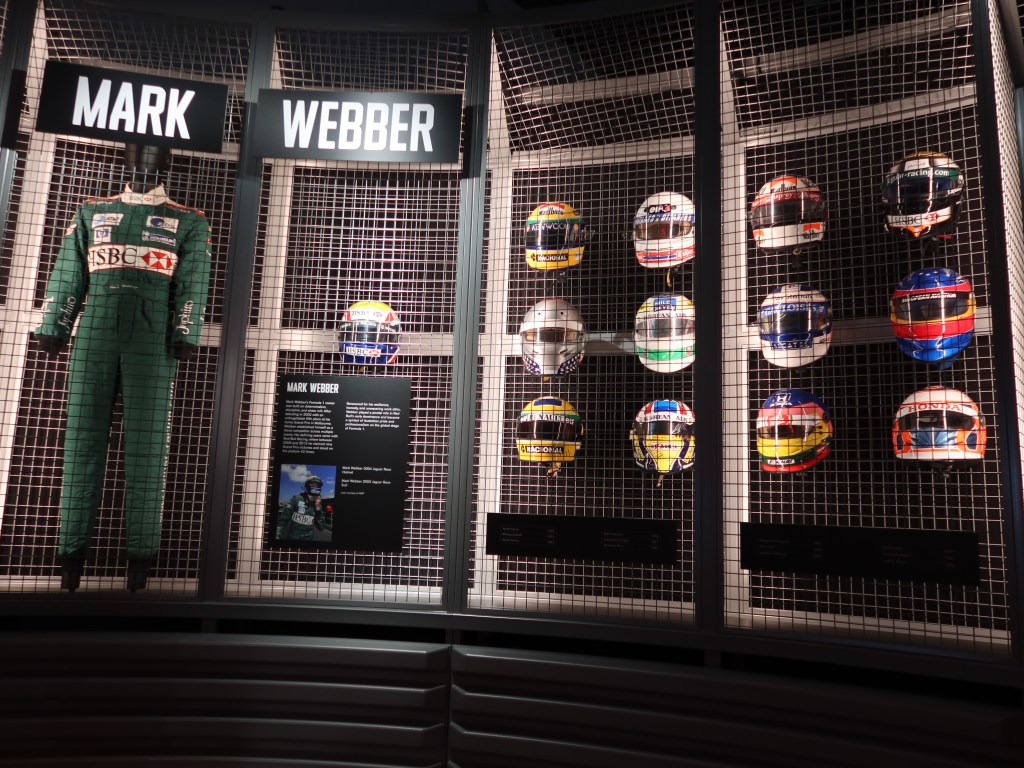
Even our local legends Mark Webber and Oscar Piastri get a small section just for themselves, alongside yet more helmets worn by a host of drivers. As you can see, helmets have become more than just mandatory safety gear – they’re design statements that help us identify the drivers.
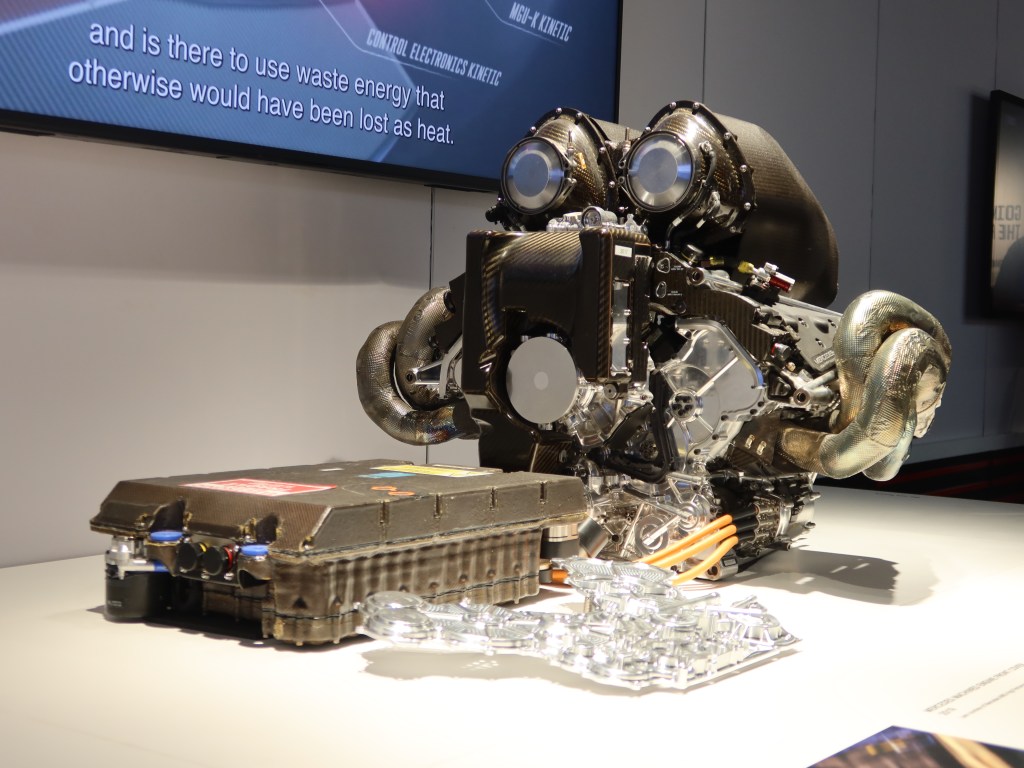
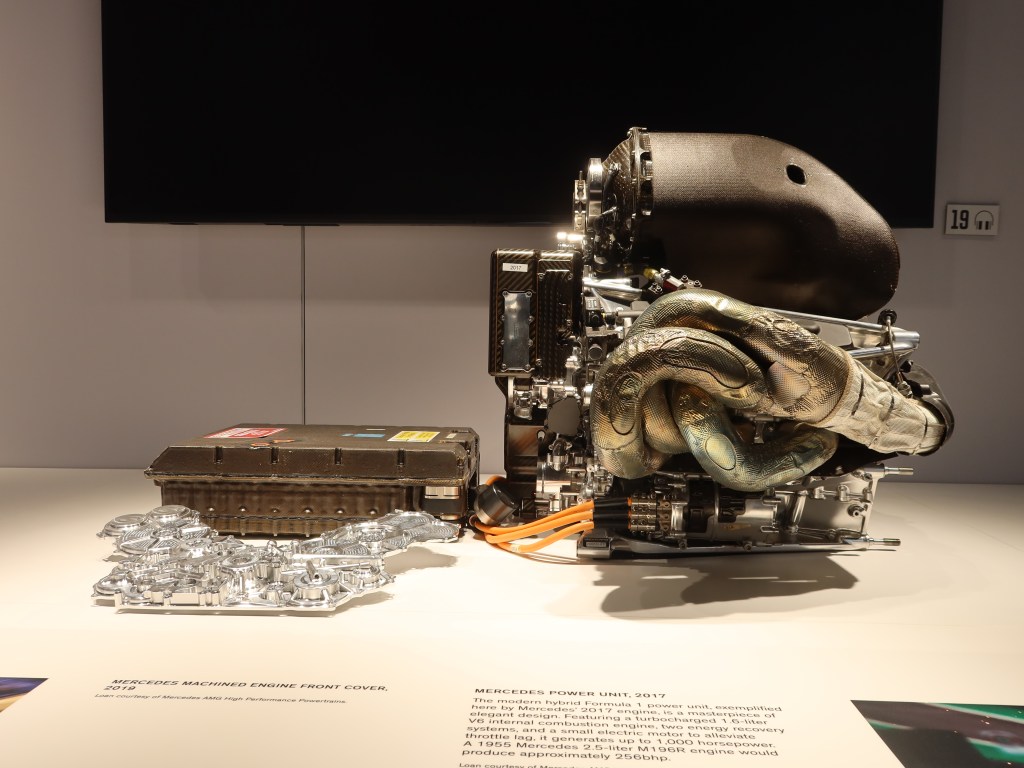
You’ve seen the flowchart, now take a look at a complete power unit produced by Mercedes in 2017. In full flight, this unit could produce 1000HP with unbelievable efficiency compared to a typical combustion engine. The thermal efficiency is rated at 50%, whereas most normal engines have a thermal efficiency rating of about 25%. This is due to the two MGUs that I described earlier (heat and kinetic), which help charge up the battery for deployment by the driver. With the battery pack increasing in size for 2026, this power management will be even more important. Every piece of this power unit is constructed with the finest materials and packaged to be as small as possible. The combustion engine is only 1.6 litres, which is smaller than the engine found in your Honda Civic.
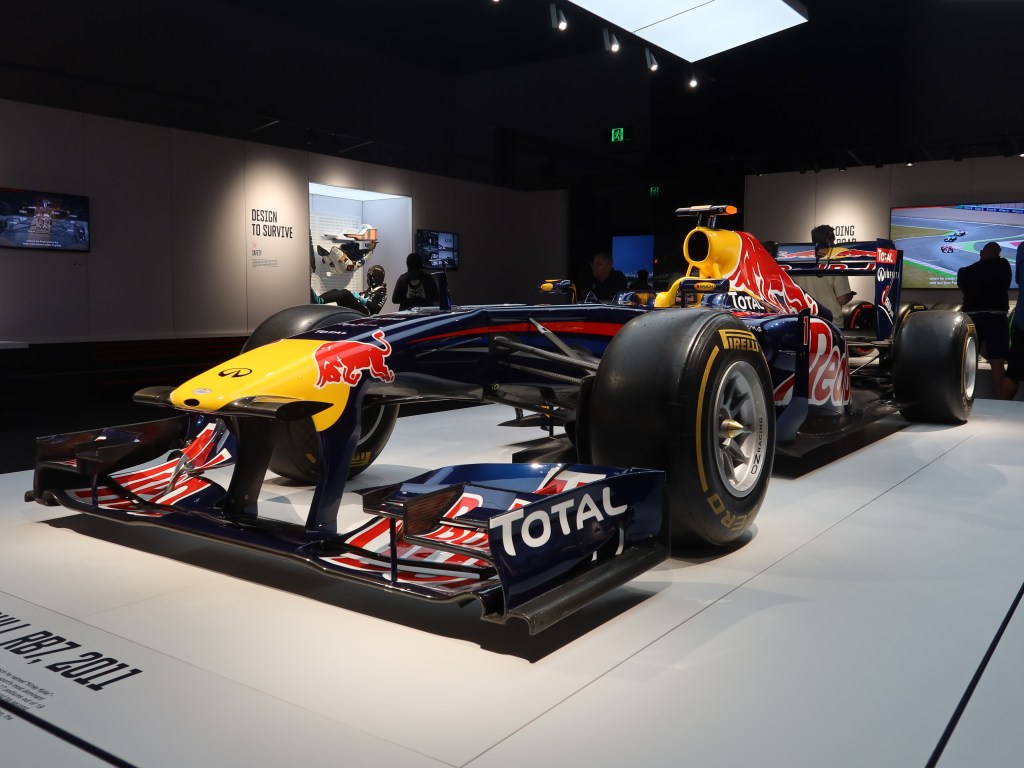

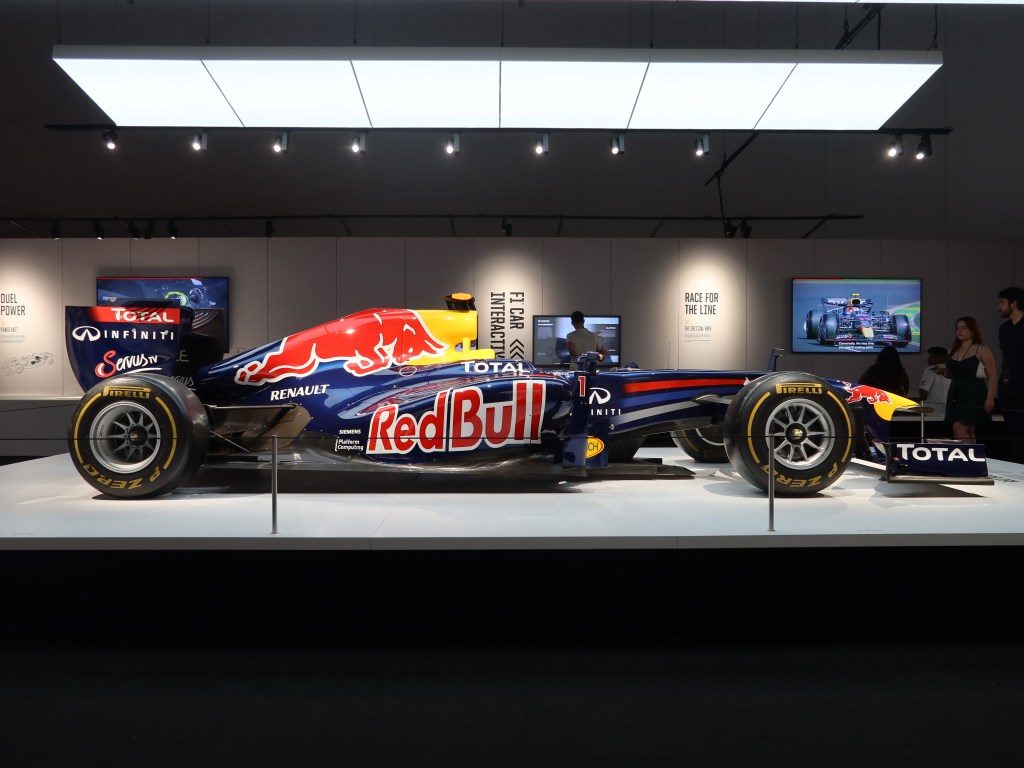
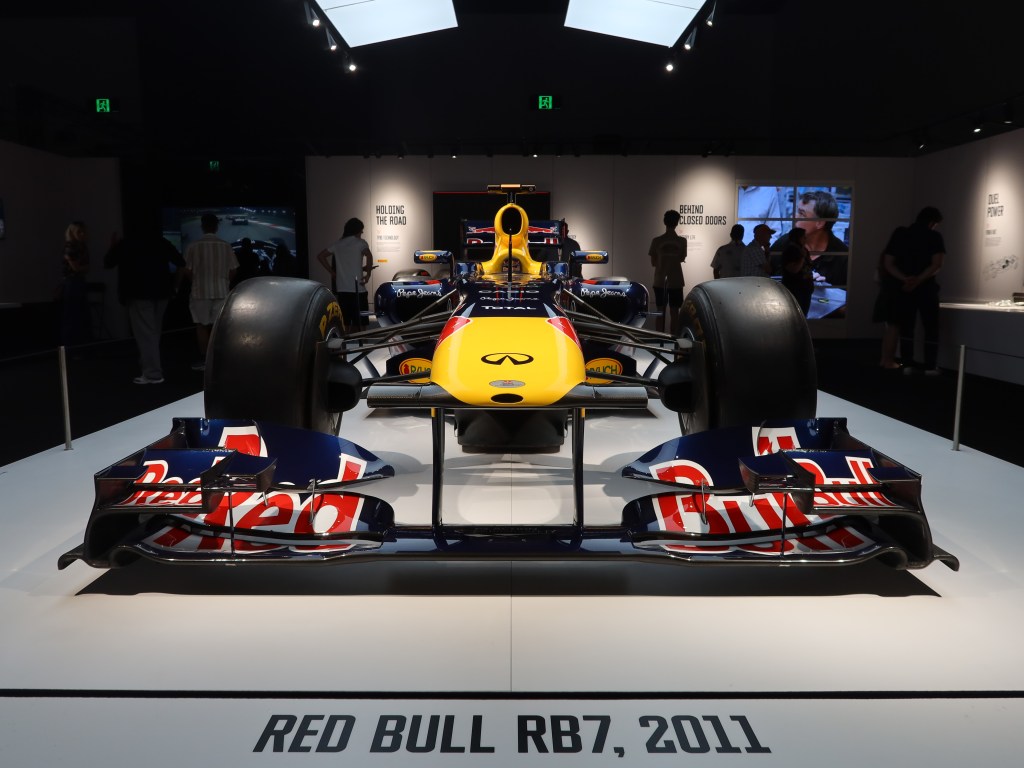
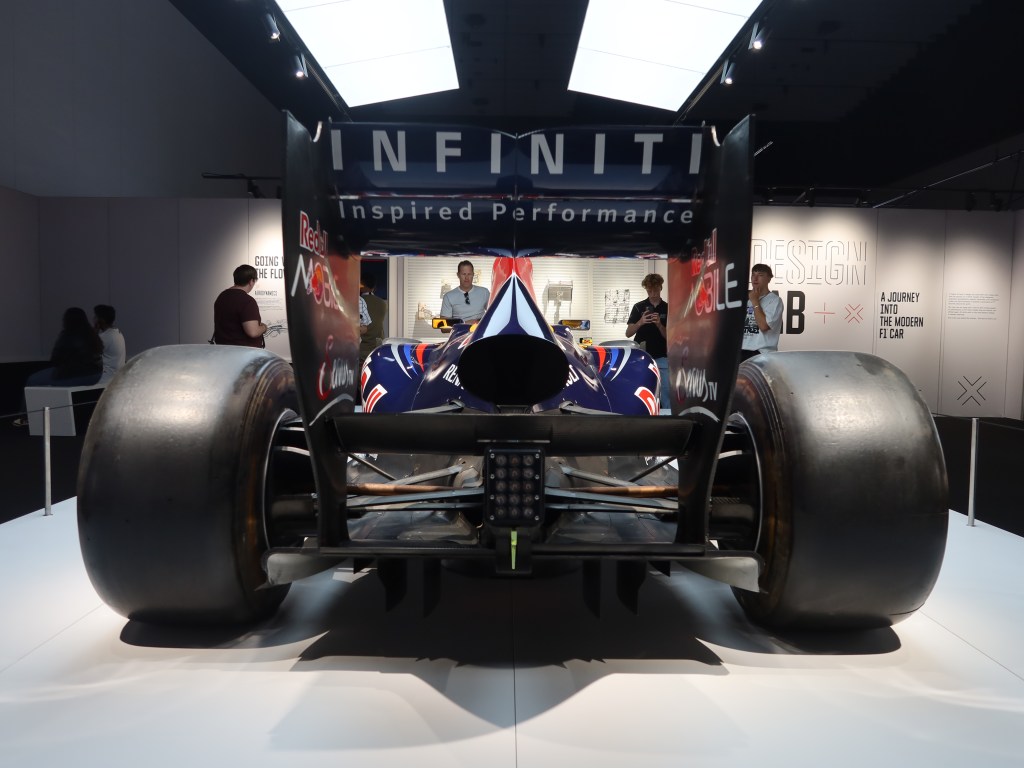
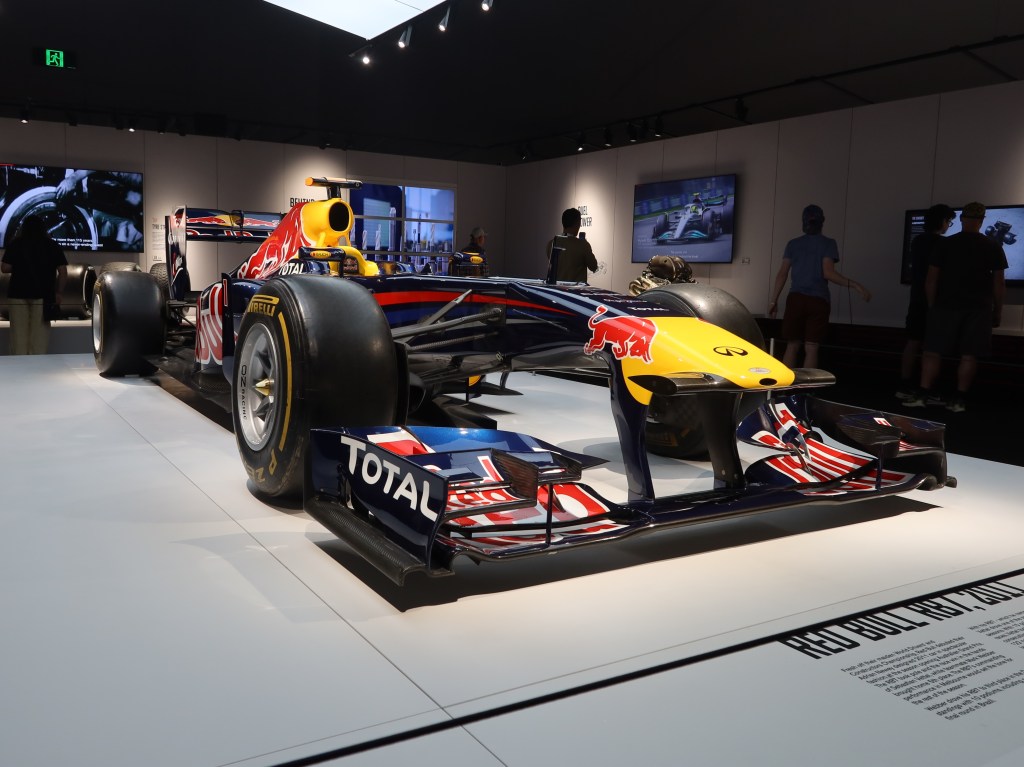
Here is Sebastian Vettel’s championship winning Red Bull RB7 from 2011 – one of the greatest F1 cars this side of the 21st century. Yes, I really do hold this car in high regard despite what happened to Mark Webber. Seeing our man getting upstaged by the young Vettel was frustrating but with time, I’ve appreciated Seb’s efforts and Adrian Newey’s incredible design. I personally think this is one of the best looking F1 cars ever to the hit the track, in no small part thanks to the gloss paintwork that’s way better than the matte finish all Red Bull cars have now. It was powered by a 2.4 litre V8 built by Renault which, like the V10 prior, screamed. Some rumblings claim the V8 is back on the table again for the power unit…
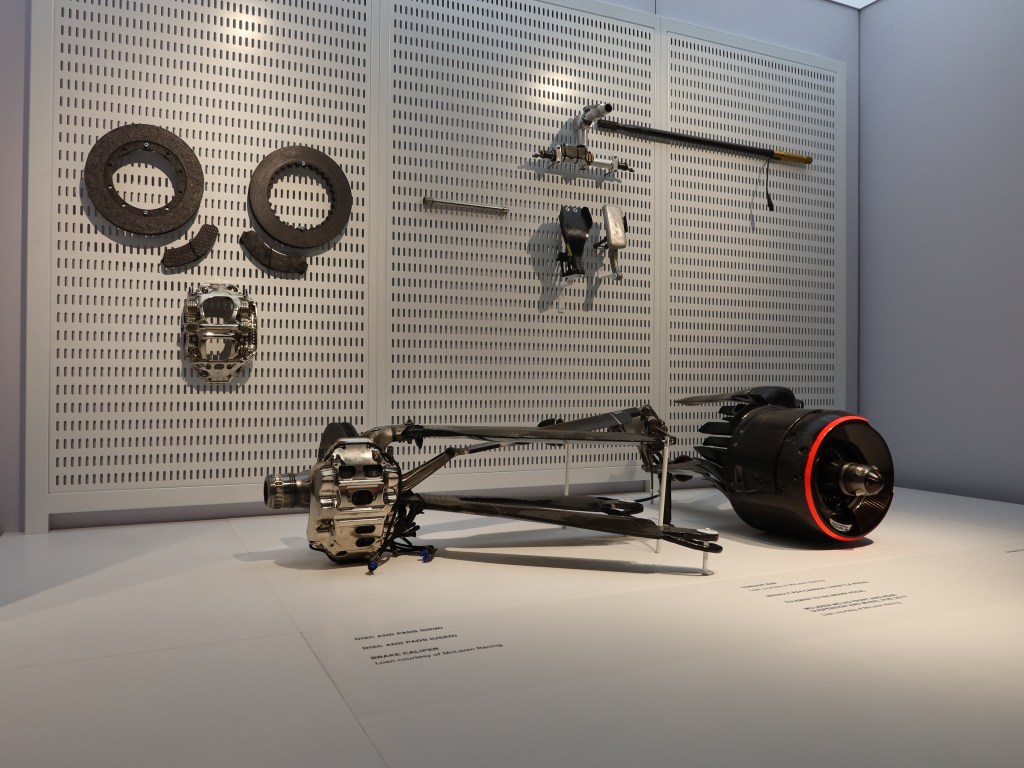
F1 brakes are the most powerful you’ll ever come across, and if you look over at the caliper on the left, it’s easy to see why. They’re absolutely massive. Next to that is a rod assembly for the suspension – the springs of which are mounted inboard. Then we have a brake duct that enshrouds the big brake caliper and disc, doubling as an aerodynamic device. Engineers will always find a way to extract that tiny bit more performance.
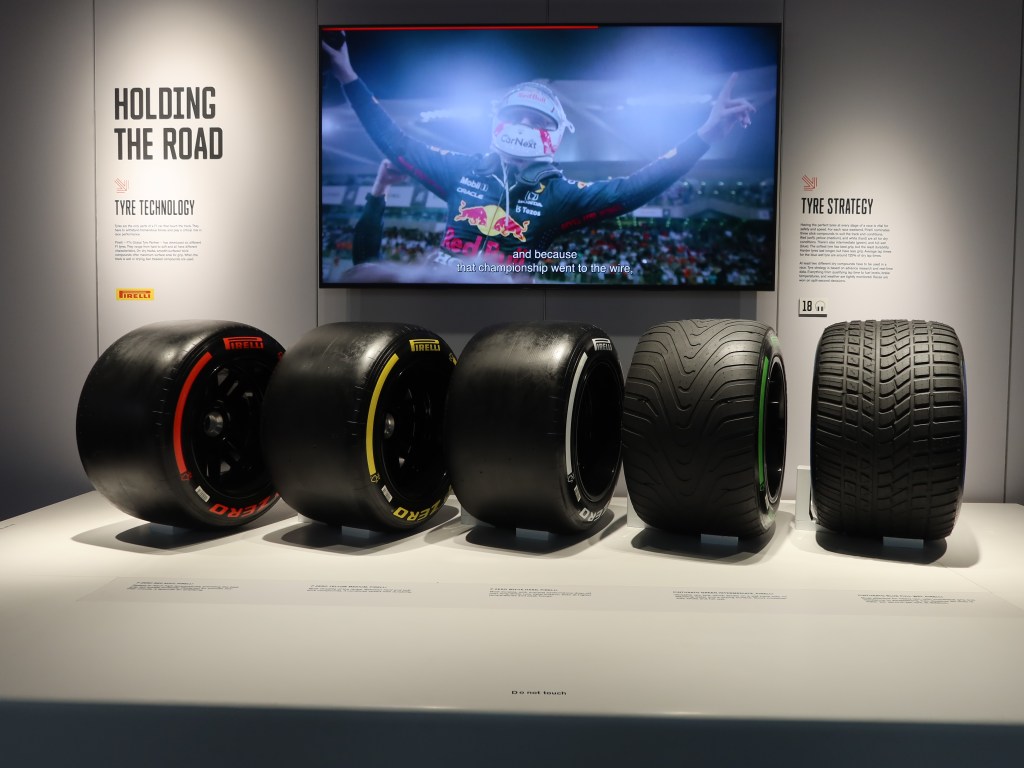
After the tyre wars between Bridgestone and Michelin, the FIA selected Pirelli to produce control tyres for all the teams – thus eliminating one of the most controversial variables of the sport. Today there are 5 compounds: Soft, Medium, Hard, Intermediate and Full Wet.
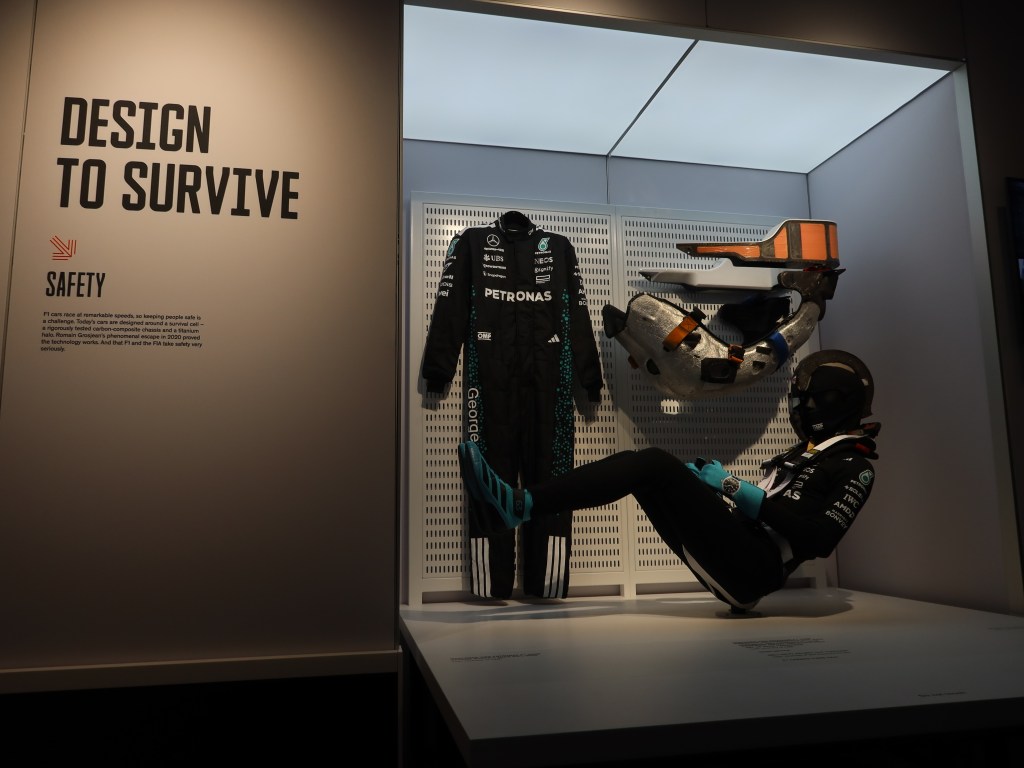
Take a closer look at the seat design and the position that the driver sits in. This is the most critical component for the driver to ensure that they’re safe and comfortable whilst pulling massive G-loads in the corners, under brakes and under acceleration. If the driver isn’t secure, they can’t operate the car properly. This display also shows what’s inside a helmet.
I hope you enjoyed this incredible history lesson and learnt a little bit more about the world’s best motorsport. The F1 exhibition is well worth the visit for old and new fans, so I highly encourage you go to and experience it for yourself. If you got this far, please share this with your friends and tell them that Dev Mac Cars is well worth their time. In an age where written media is less prevelant compared to video, your support is much appreciated.

 DevMacCars