
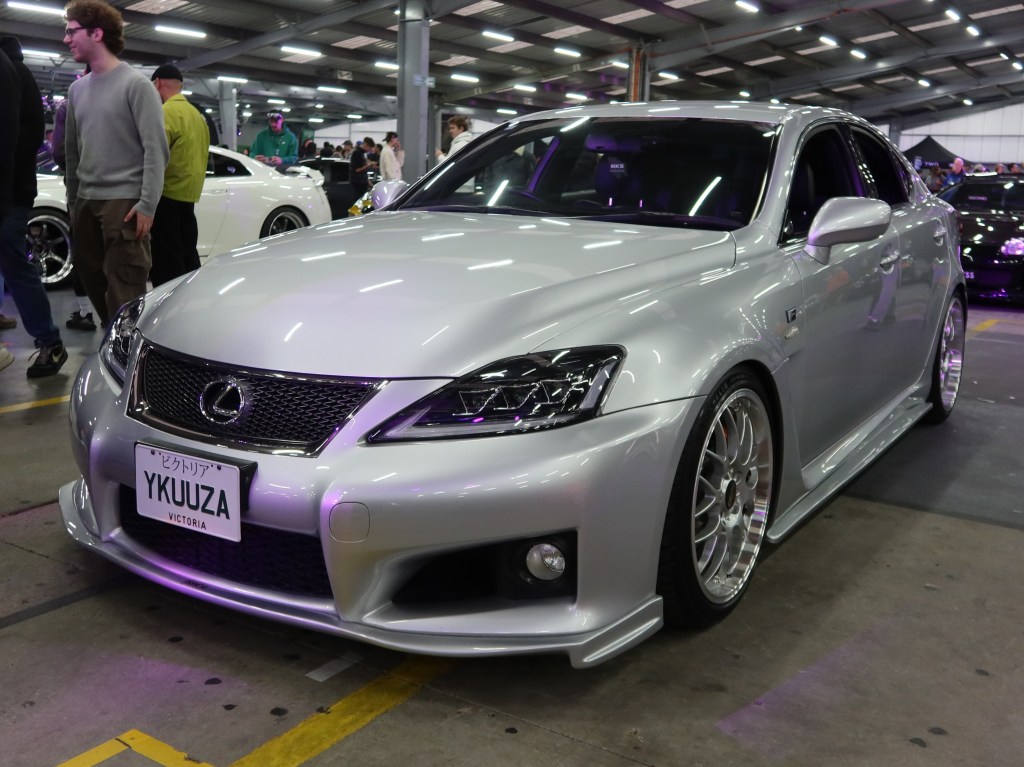
The Lexus “IS” line was specifically created to take on the BMW 3 Series, offering a rear-drive layout with sporty handling characteristics. However, they never offered an M3 equivalent, which kept the IS from reaching the same status and desirability of the hallowed badge. So when the model entered it’s second generation, the Lexus engineers hatched a plan to create their very own super sedan, taking on not just the BMW M3 but the Mercedes C63 and Audi RS4. The car they created was the IS F – honed on the famous Fuji Speedway with a proper, hairy chested V8 sitting under the bulging bonnet. It was one of the most brutish cars to ever come out of Japan, much to the surprise of the motoring world.
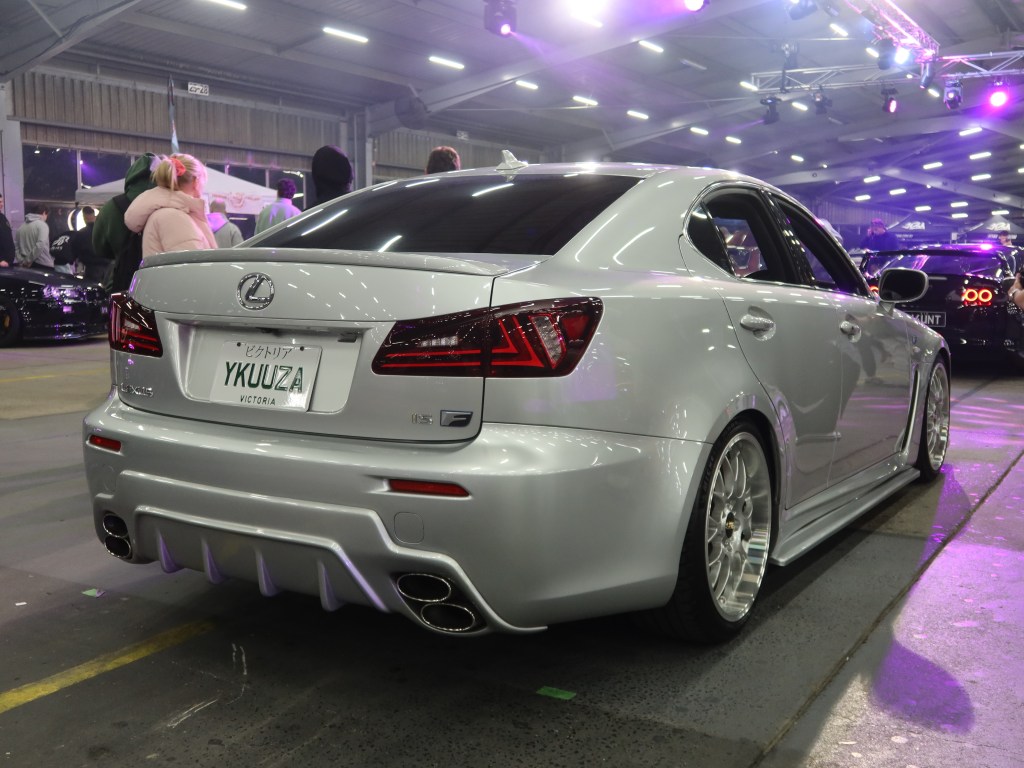
When you mention Japan to a car person, the cars they think of tend to contain 4 cylinders, 6 cylinders, turbocharging and rotaries – not V8s. The engine type isn’t commonly associated with the island nation, yet they’ve actually been developing them far longer than you’d think. However, the V8 engines they made were designed for luxury and comfort, seeing use in models such as the Landcrusier, LS, Soarer/SC, GS and Crown Majesta. Toyota had never taken on the task of creating a proper “performance” V8, but you wouldn’t think so looking at the numbers. It was a 5 litre dual overhead cam stonker producing 416 HP.
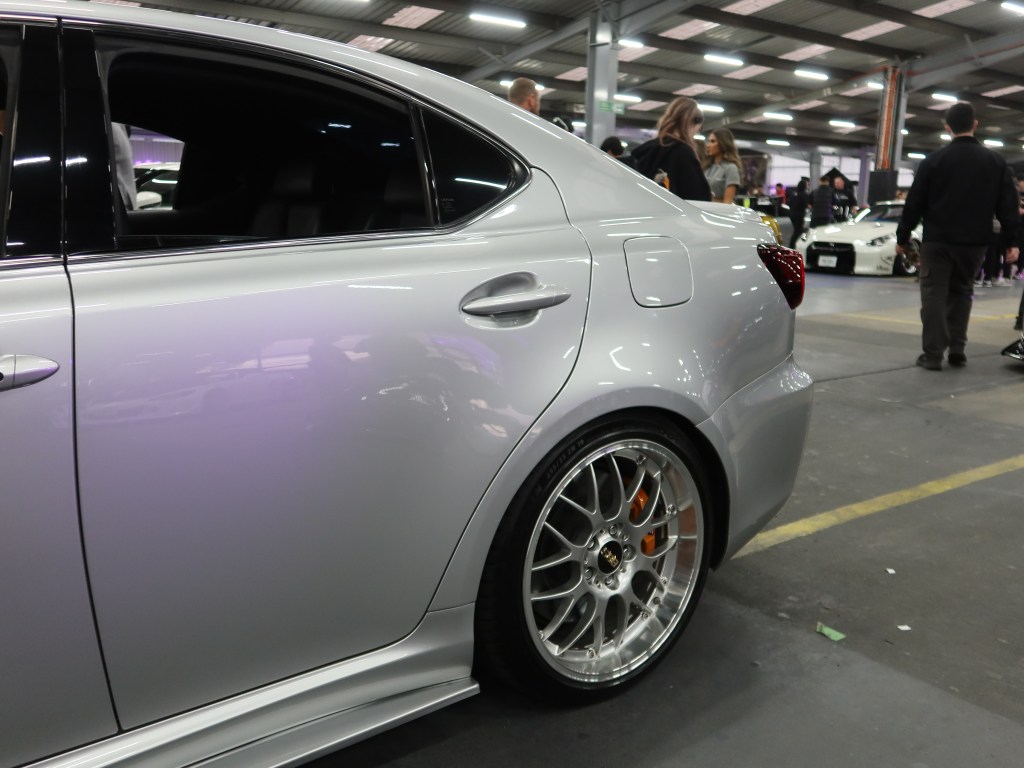
Despite their efforts, Lexus struggled to compete with the big boys and did not revive the model when the IS entered it’s third generation. Instead, the F badge migrated to the RC and GS but that too had it’s own set of issues. It seems as though Lexus was scared off by the competition, never to re-emerge again. But enough of that. How does it stack up today? Well, it definitely caught my attention at Unmarked Melbourne 2026 because it’s not the sort of thing that turns up to a modifed car event. The aftermarket for the IS F is small, so putting anything together at this quality is neat to see. I find the presentation very hard to fault.
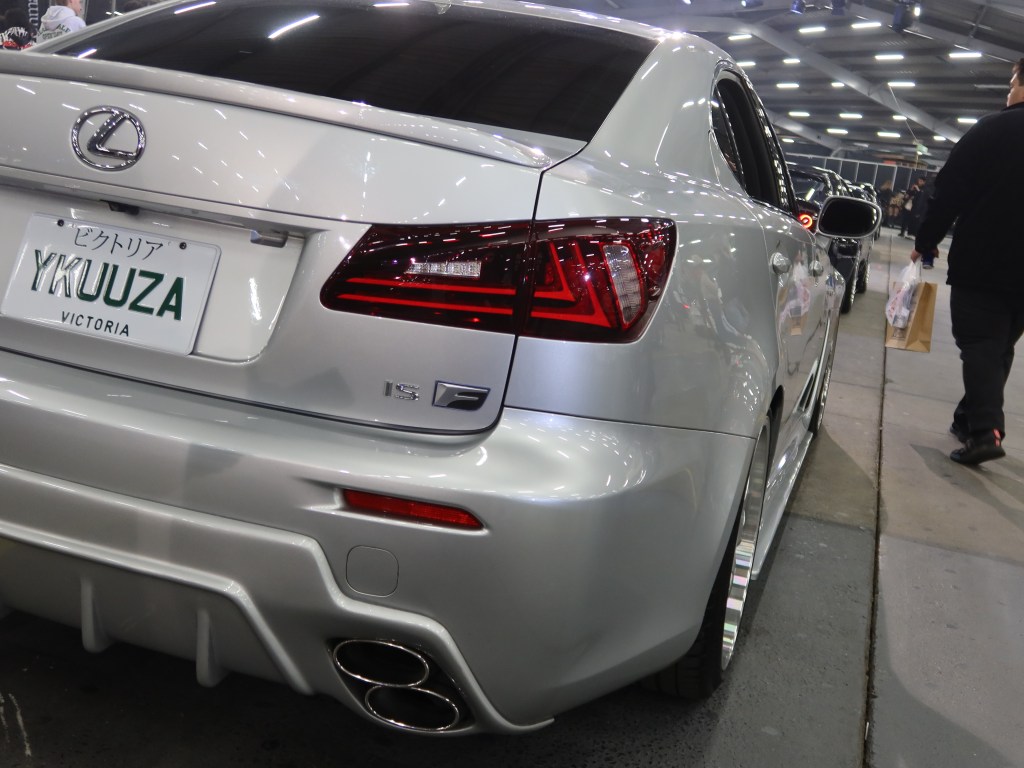
A Lexus IS F doesn’t need much to stand out, and the small cosmetic enhancements don’t detract from the already muscular image. The front lip and sideskirts fit well because they look like OEM+ items which could’ve been equipped as extras. Same applies to the rear, with the space between the stacked exhaust tips being filled with a more aggressive design emulating a diffuser. It adds a little bit of volume to the bumper. Now, headlights and tail lights aren’t usually at the top of the agenda but the items fitted to this car really bring it forward several years. They are inspired by the current Lexus design language, and if you didn’t know any better, you’d think they were factory pieces. The quality of them is superb.
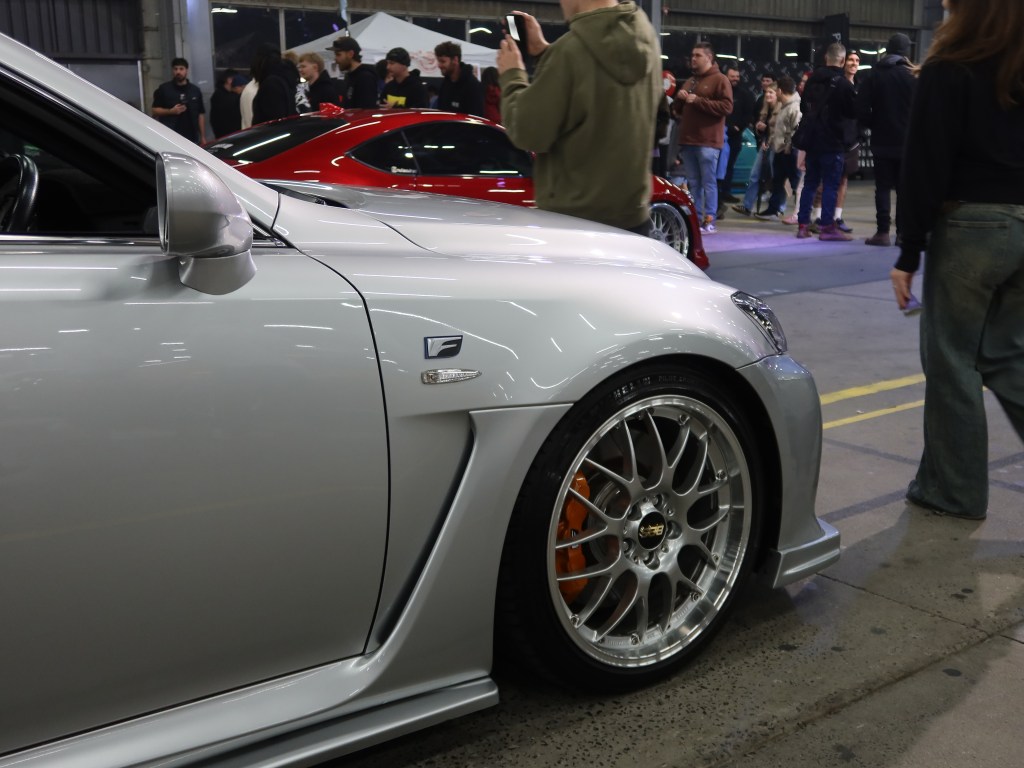
The IS F was never considered to be a smashing success. It’s not a car that people idolise like some other Japanese sedans, but there aren’t many naturally aspirated V8 cars left without a Holden or Ford badge. Most of the German V8 options require a lot of maintenance and aren’t the cheapest to buy, raising the barrier to entry. The Lexus IS F gives you all the character without the same price tag or level of hassle. For most of us, that’s all a car needs to be special.
 DevMacCars