
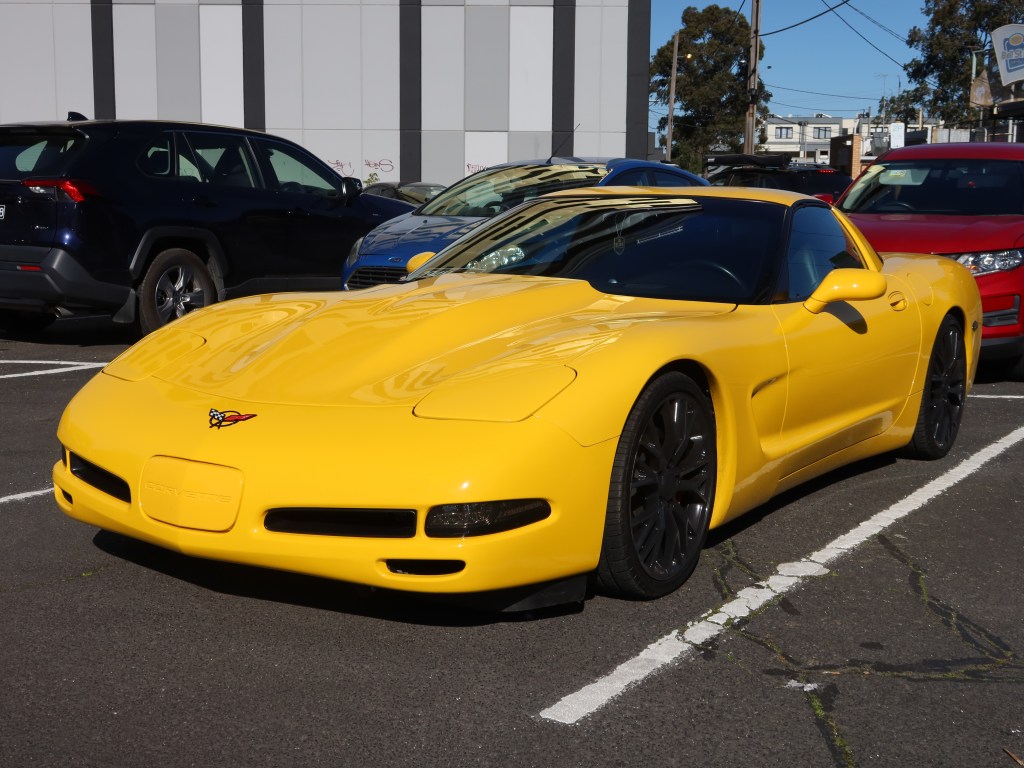
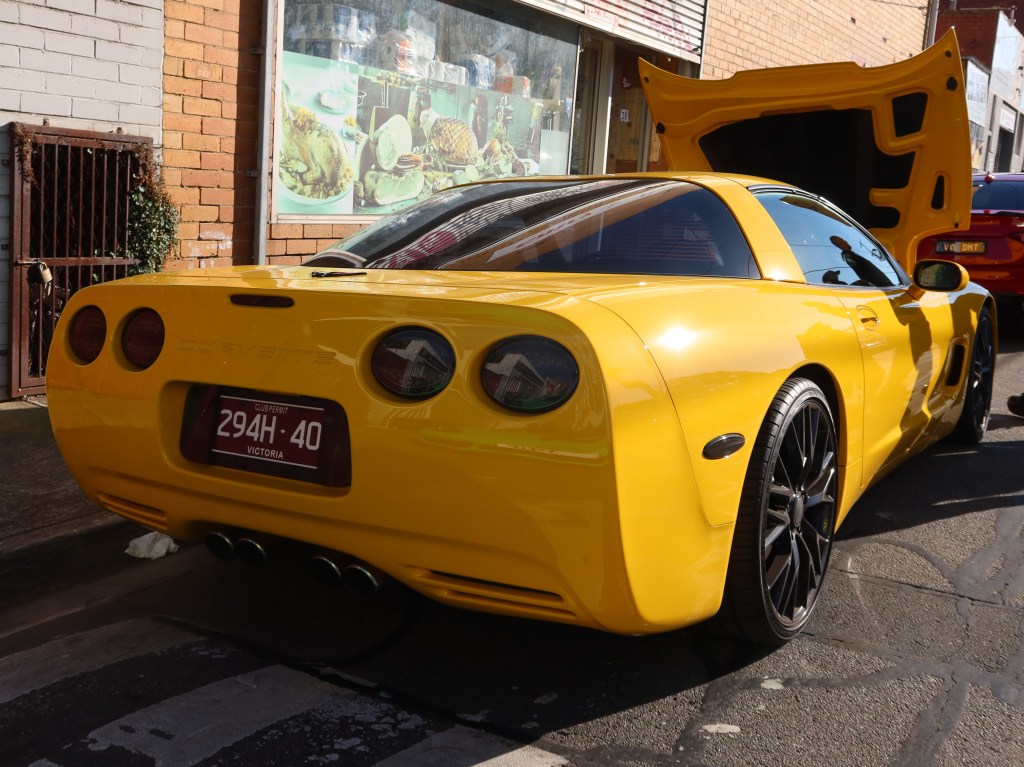
The name Corvette is one that many of you should be familiar with. For more than 70 years, the American sports car has been giving the people great performance at a great price that well undercuts it’s European counterparts. Not only that but the cars are reliable and race proven, becoming a massive part of the American automotive psyche. I would say that only the Mustang is more significant from a cultural standpoint. Anyway, this particular car is a modified C5 with an aftermarket supercharger painted in a brilliant yellow that serves an important role in the Corvette’s illustrious history.
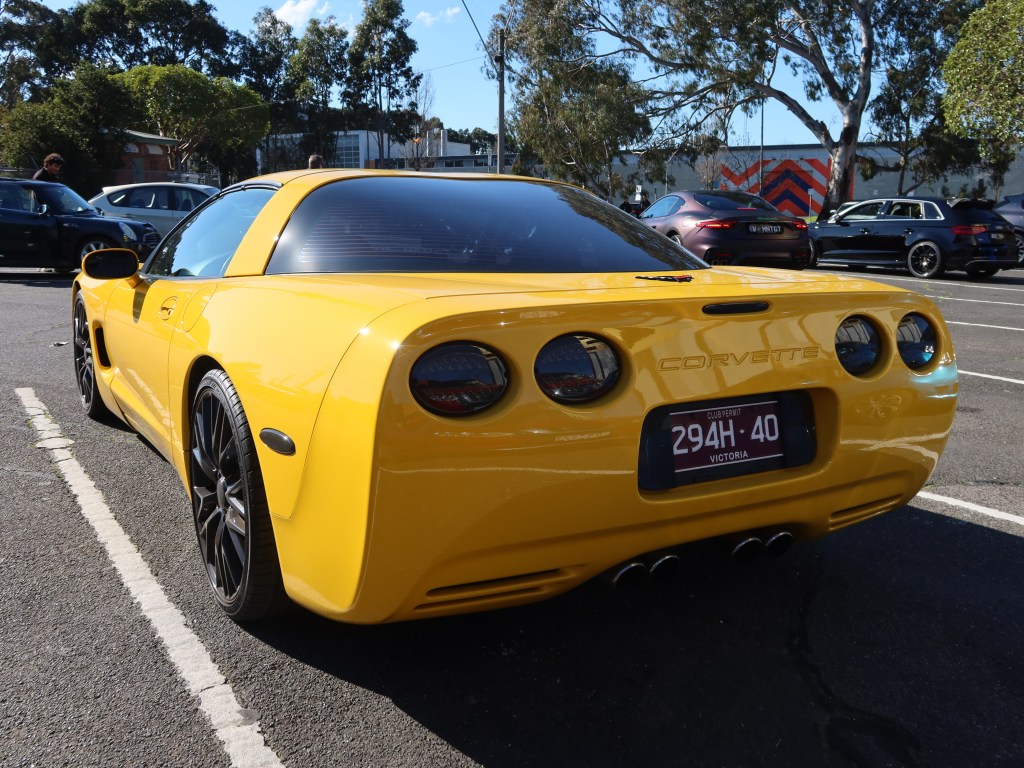
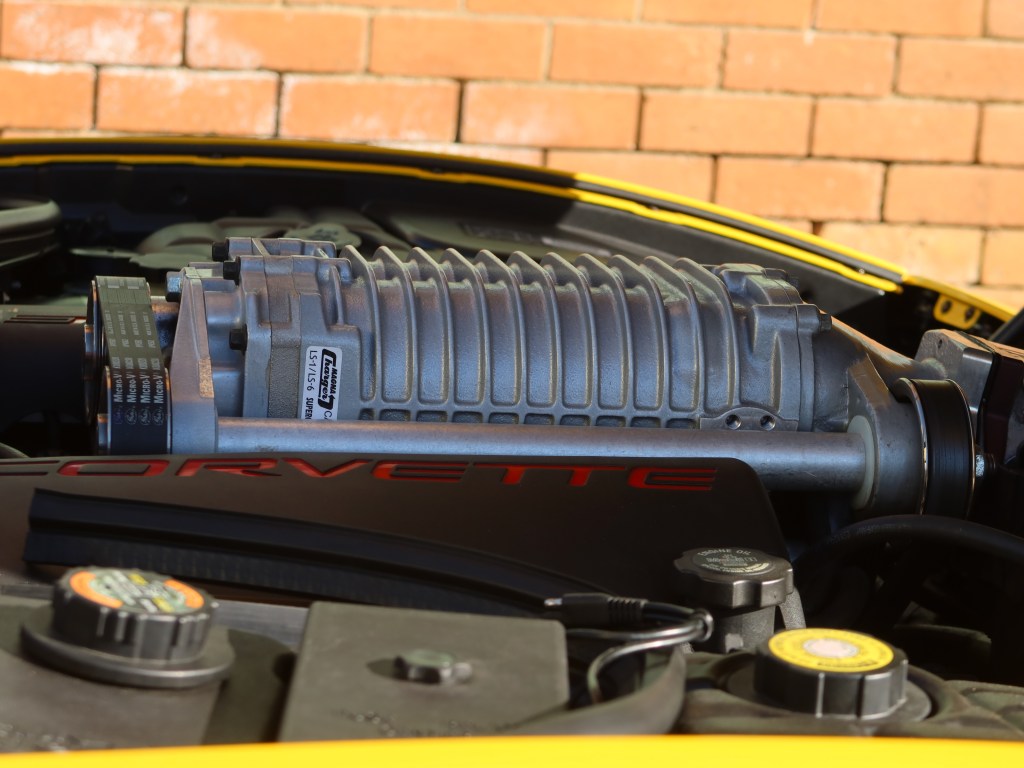
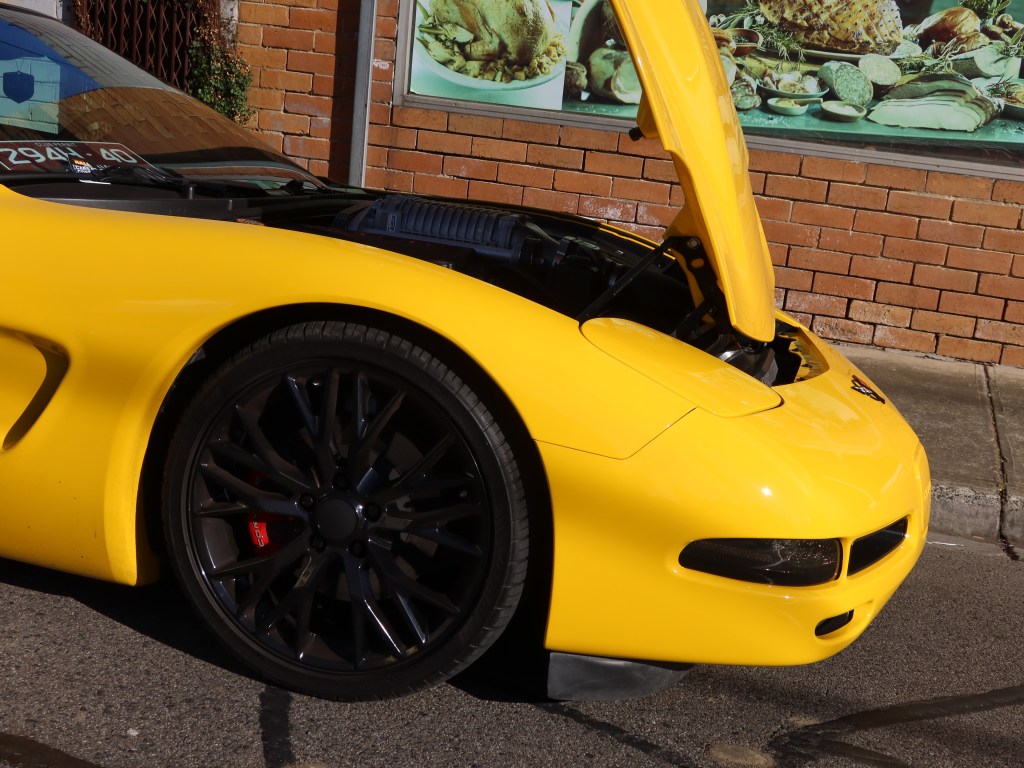
Believe it or not, the C5 Corvette never got a supercharged variant. The top of the line model, the Z06, produced 405 HP from it’s naturally aspirated LS1. I don’t exactly know why GM chose to do this, although I would contend that perhaps the LS still had some teething issues with regards to reliability. They might not have been ready to install one from factory. Happily, adding one nowadays is easy because all the kinks were worked out in due course many years ago. As you can probably see, the bonnet has a bulge in it to accomodate the supercharger. That’s how you know what’s lurking underneath the streamlined front end.
When race car builders Pratt And Miller got a hold of the C5, they turned it into a weapon which shook the competition – literally. The thunderous sound of a pure blood V8 engine was umistakeable and the feeling that you got when it flew by was earth-shattering. It took the Viper’s crown at the top of US sports car racing, and it even embarrassed the likes of Ferrari and Aston Martin over in Europe. The operation was an enormous success that pleased the big wigs at GM and the engineers in Kentucky, placing Corvette right at the centre of international motor racing. The signature yellow paint that adorned many of these beasts is proudly painted onto this C5.
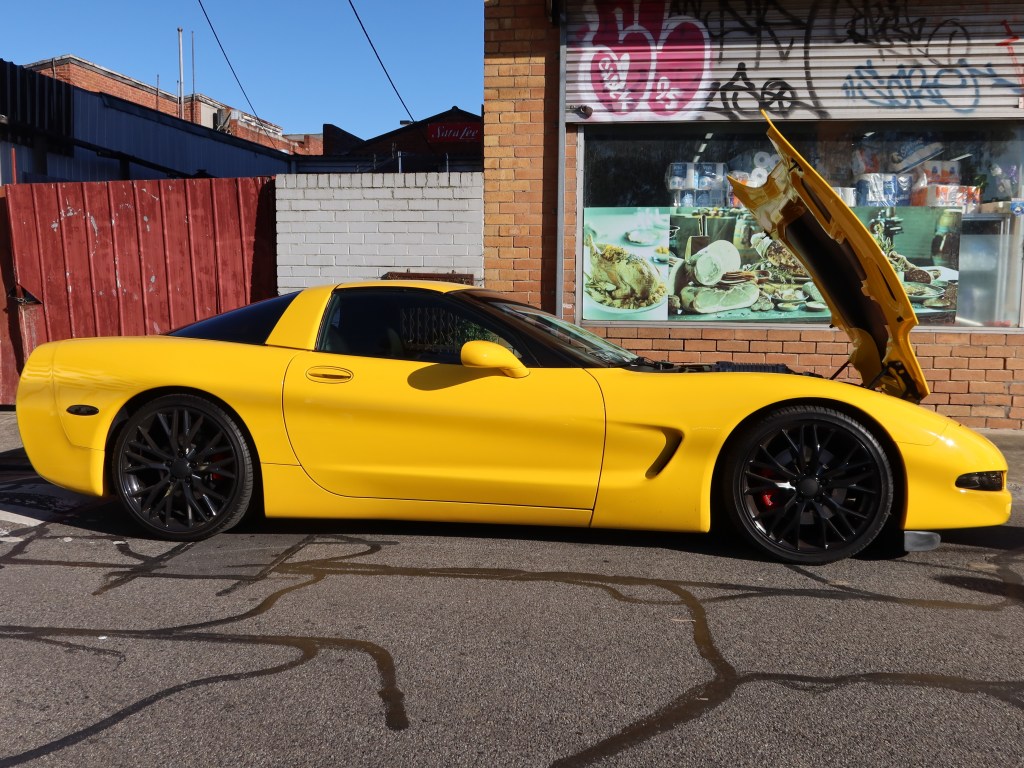
All Corvettes are special in their own way, but the thing which makes the C5 special is the LS engine. This unit was not built to be the most complex, but rather the most potent and compact as possible to ensure smooth handling and a low centre of gravity. GM decided to go for a single overhead cam design – A, because it worked and B, was simpler than a double-overhead cam design as it used fewer parts. The block however was constructed out of aluminium due to it’s superior weight compared to a steel block. The result was something light, powerful and compact. Annoyingly, the early LS was plagued with bore scoring issues, but by the time GM got to the LS3, they’d worked it out and now, they’re everywhere.
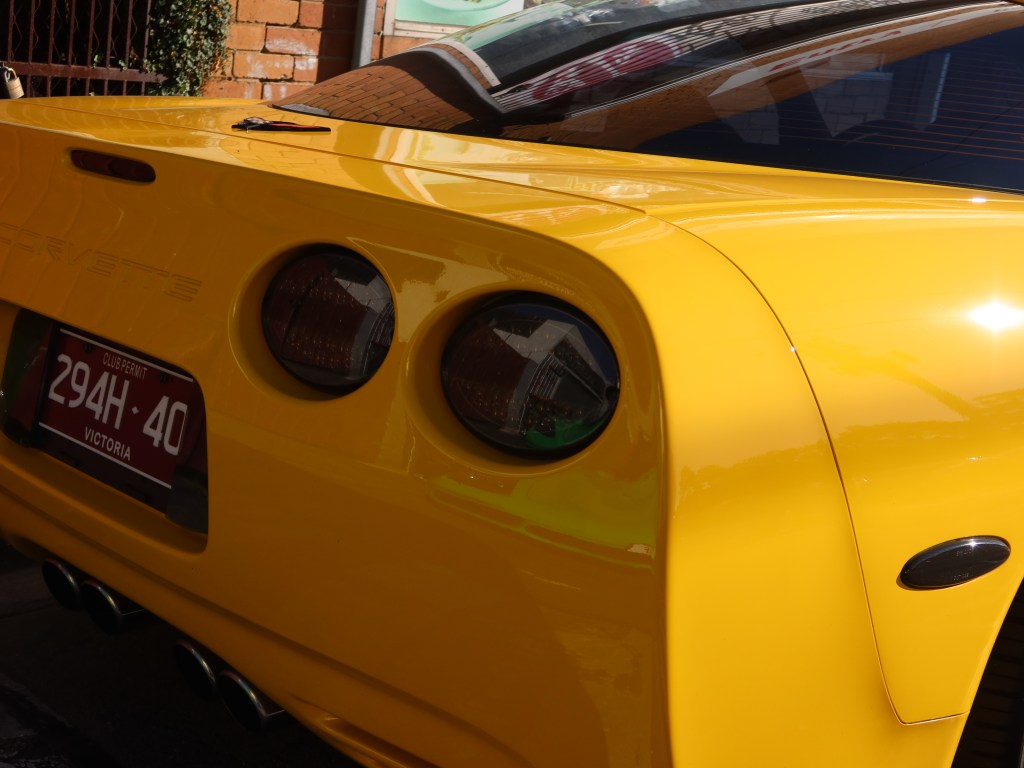
Whilst the C5 isn’t my favourite Corvette, it is pretty close to it. I’ve seen and driven it in many racing games over the years and it never disappoints. The engine may not have had the best start in life but it became of the best engines ever created, powering many builds from drift cars to drag cars. The factory racing program cemented it’s legacy as a bonafide race car that could beat the very best at home and abroad, spreading the Corvette name far and wide. People stopped seeing the Corvette as a hopeless pretender and began to see an all-conquering, hairy-chested beast with a point to prove.. and plenty of bravado.
 DevMacCars