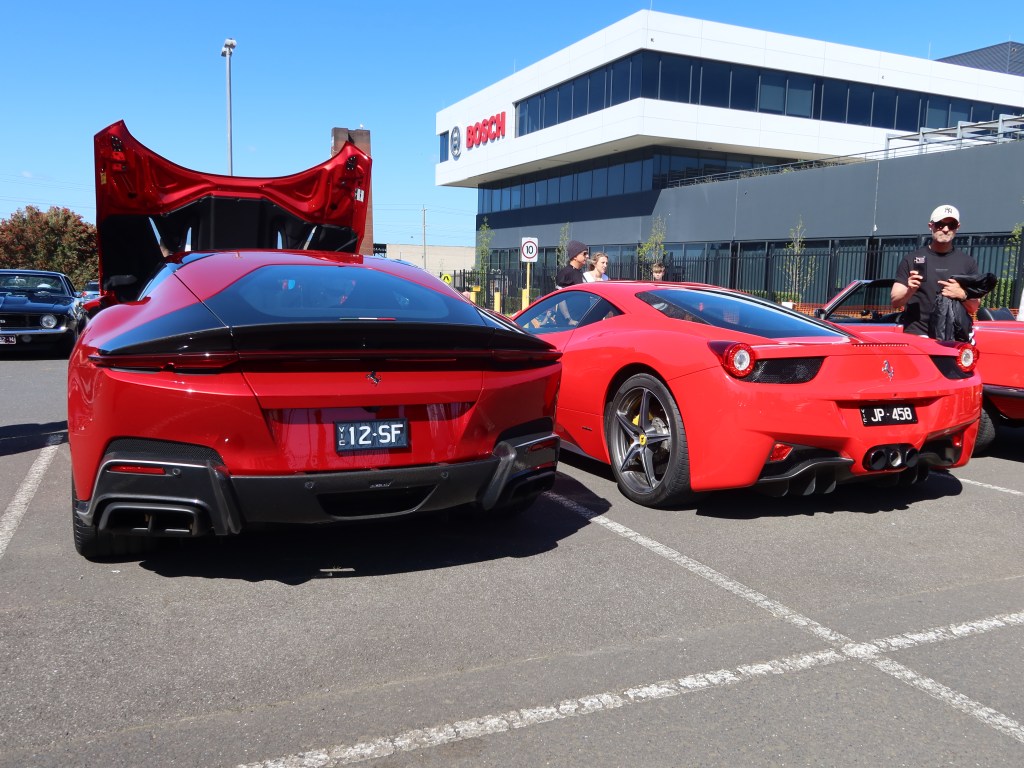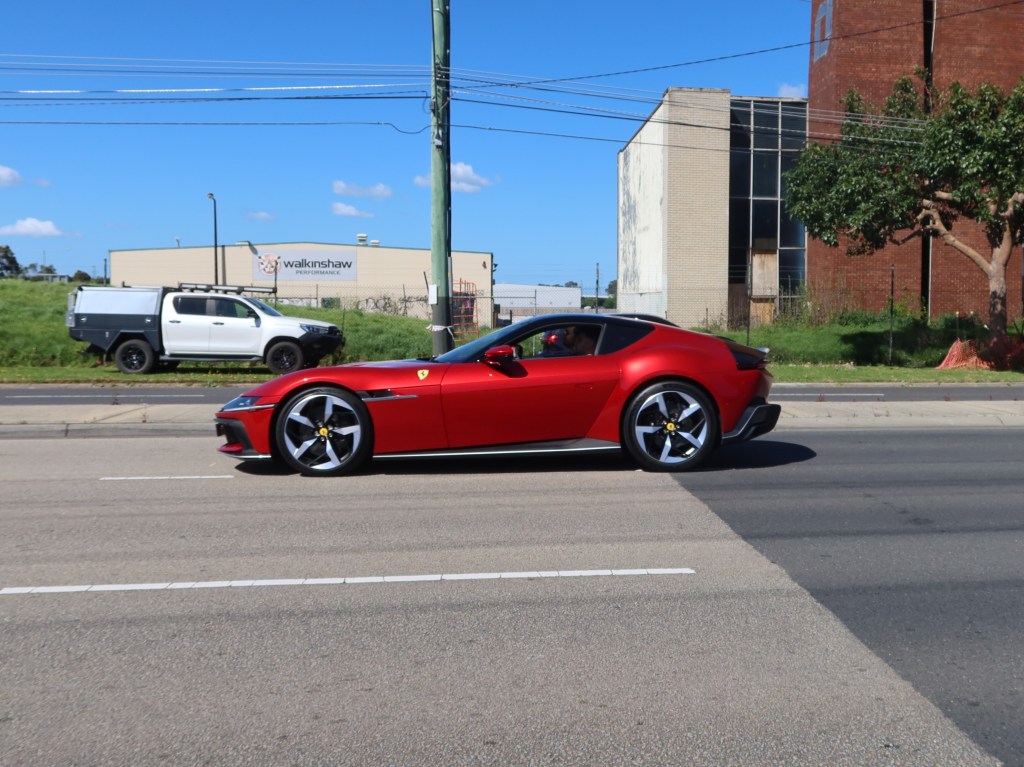
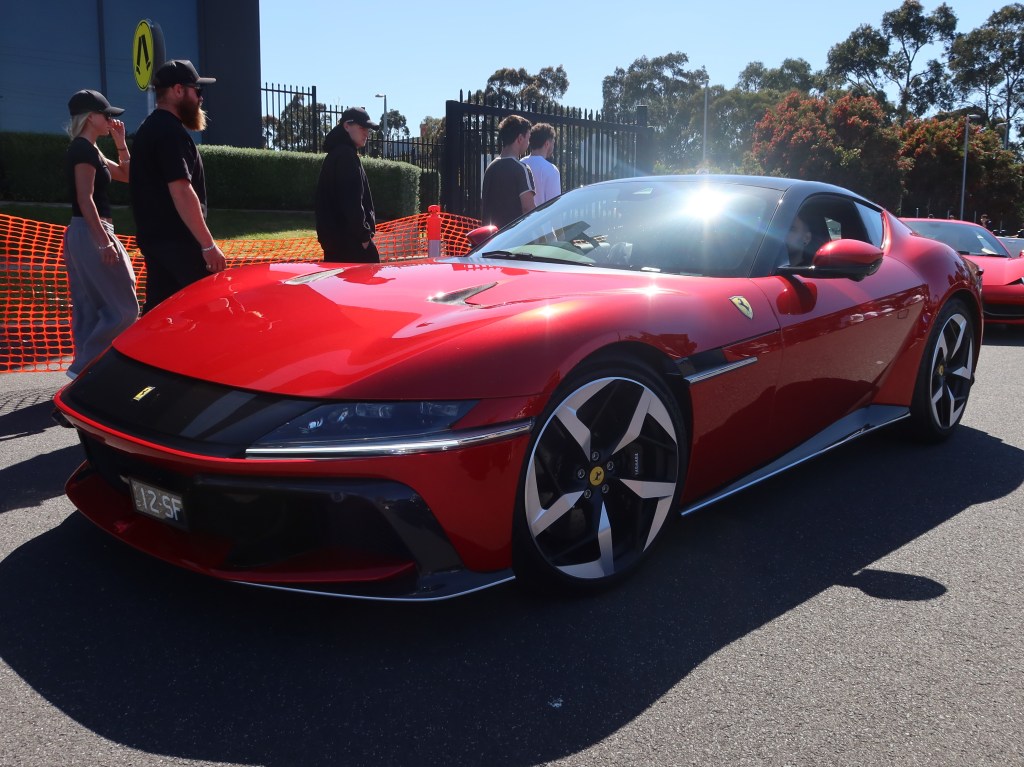
Naturally aspirated engines are few and far between these days. With the advent of turbocharging and electrification, there is no real need to stuff a big, old-school engine into a car to generate big power now. Look at the Ferrari F80. It has a turbocharged V6 and 3 electric motors generating a combined output of over 1200 HP. The efficiency is sublime, but Ferrari don’t forget about their heritage or indeed the mighty V12. In the face of an ever-shifting market, Ferrari are unwilling to throw the engine away, and their latest front-engined offering celebrates this fact. They call it the 12 (Dodici) Cilindri, and it’s the successor to the fearsome 812.
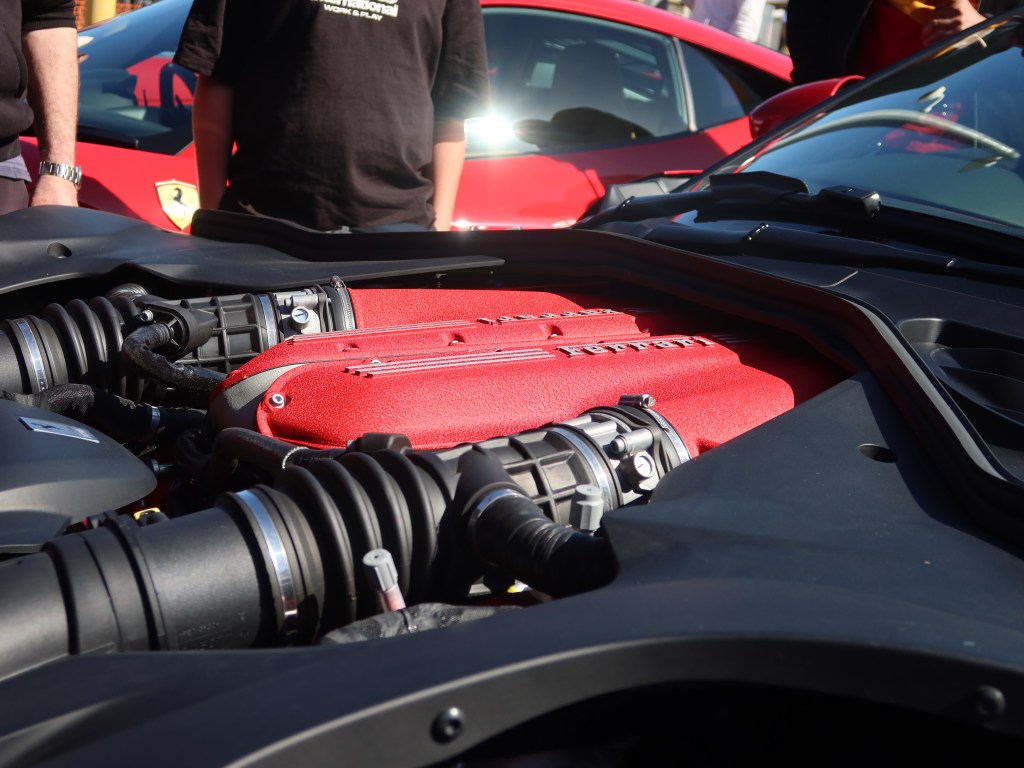
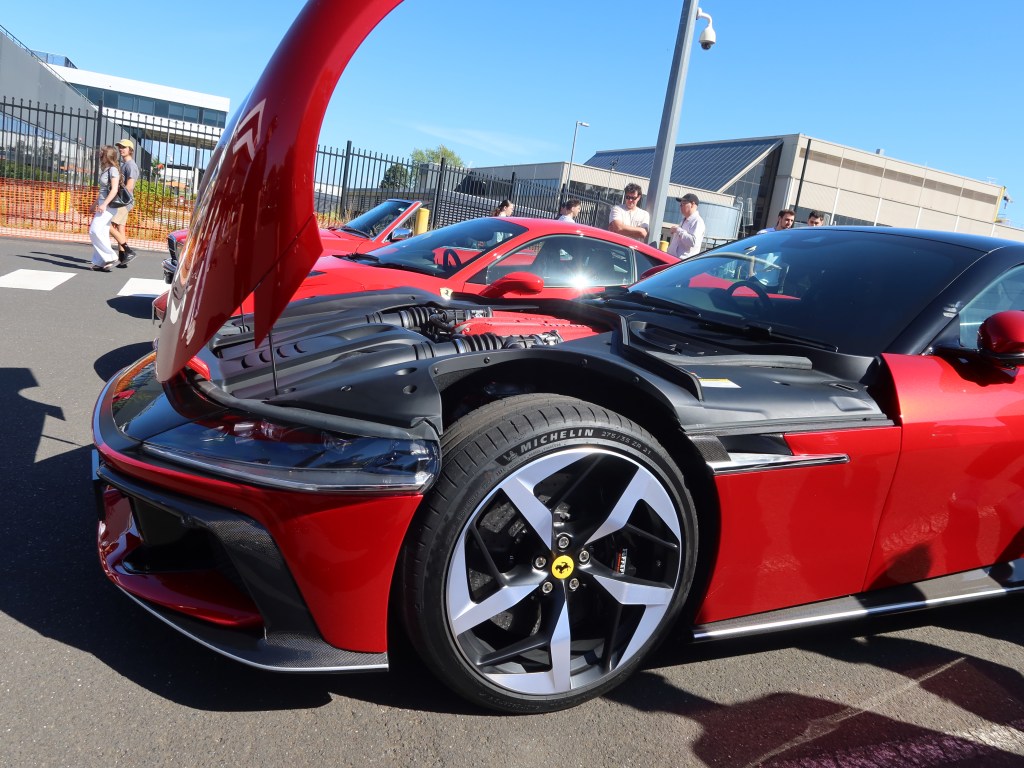
Naming your car after the cylinder count of the engine isn’t the most creative choice, but I’m not here to bash that decision because when you hear it, everything makes sense. The big, front engined Ferrari with a V12 up front is a cornerstone of the company and a big reason why we know the brand today. Enzo’s fascination with the engine type has been widely documented, so it’s the no wonder the legacy still continues. However the V12 in this machine is a far cry from the one inside the 250 GTO. It’s a 6.5 litre unit pushing out 830 HP all on it’s own, using plenty of aluminum and titanium for increased thermal efficiency. You want to make sure that your engine can stand up to the heat at full noise.
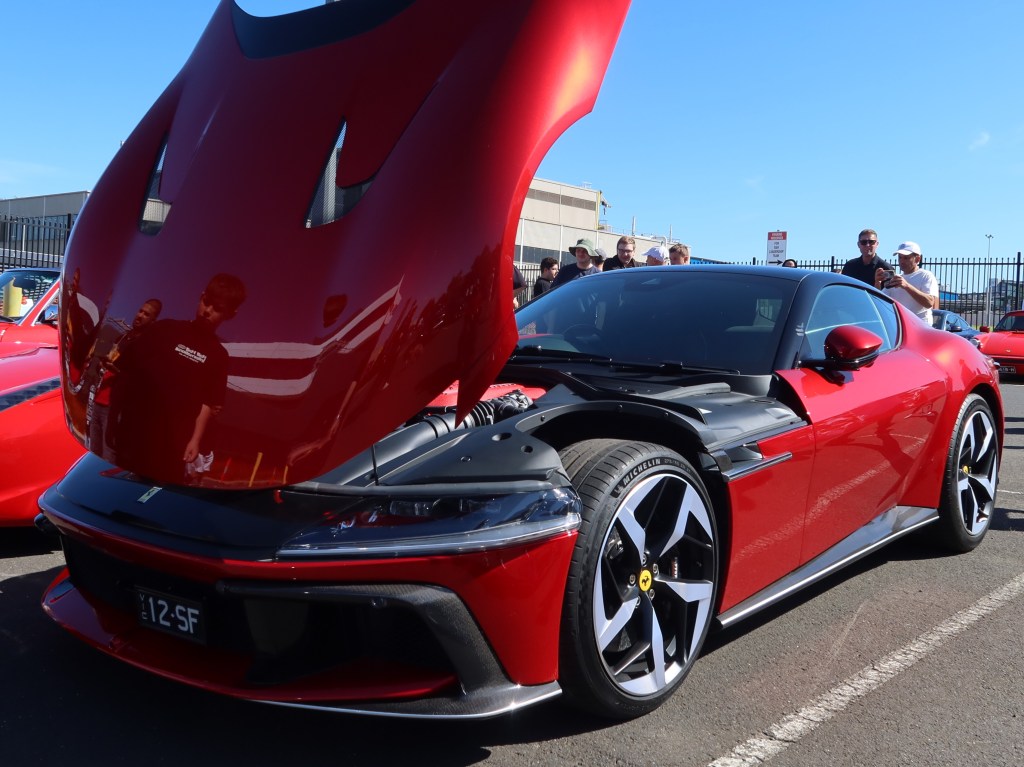
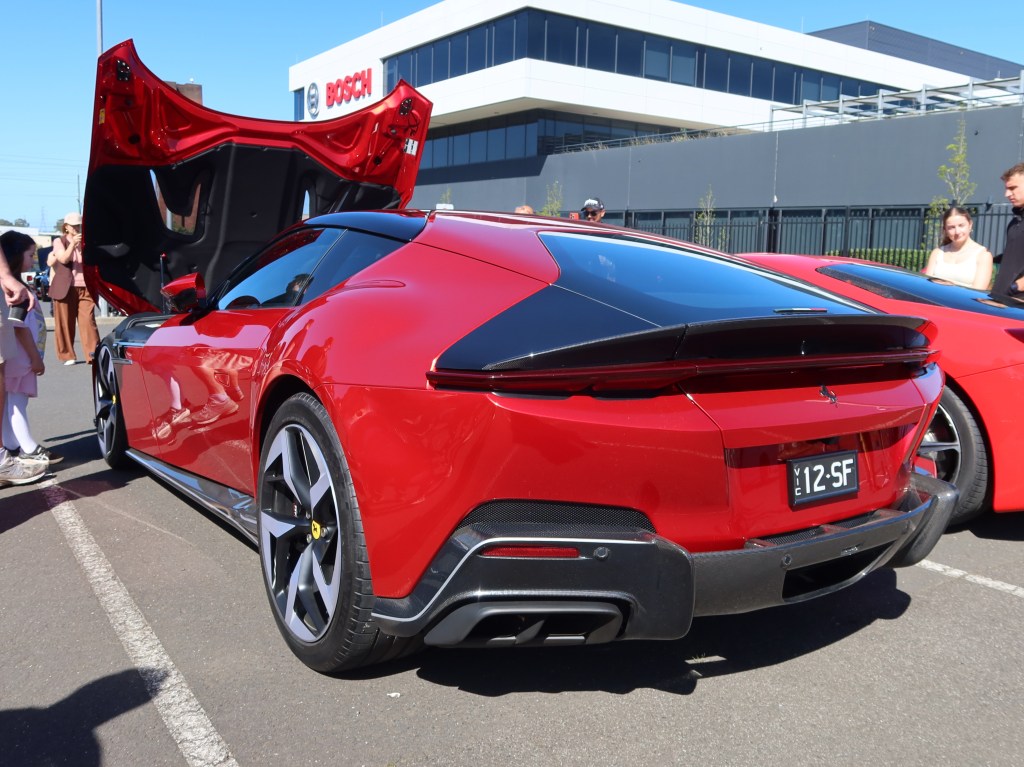
When this car was shown to the world for the first time, many people noticed similarities between it and the 365 GTB/4 “Daytona” from 1971. That car was also front-engined with a V12, so it became clear that design inspiration was taken from the past. The front end in particular emulated the glass panel between the headlights, which were pop-ups on the Daytona. The race cars had the lights exposed at all times under a clear lense. In fact the whole shape is Daytona inspired, right down to the rear quarters and the back end, which has caused some conjecture. Honestly, it is not an ugly car in person and definitely looks like a Ferrari instead of a Chinese EV…
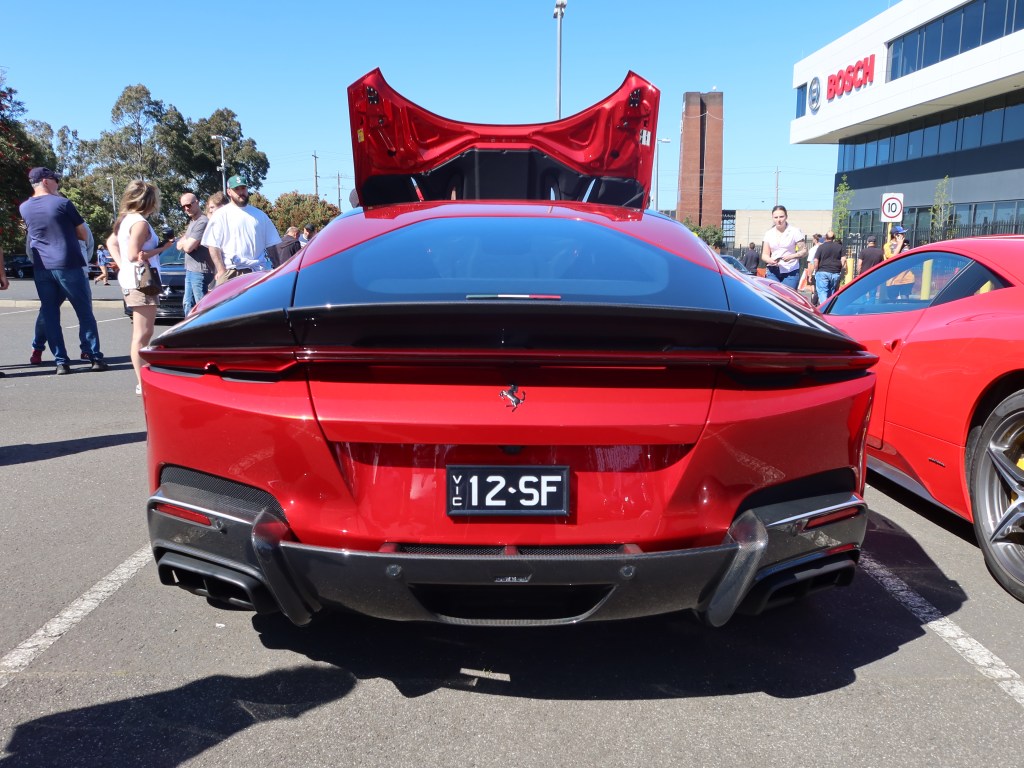
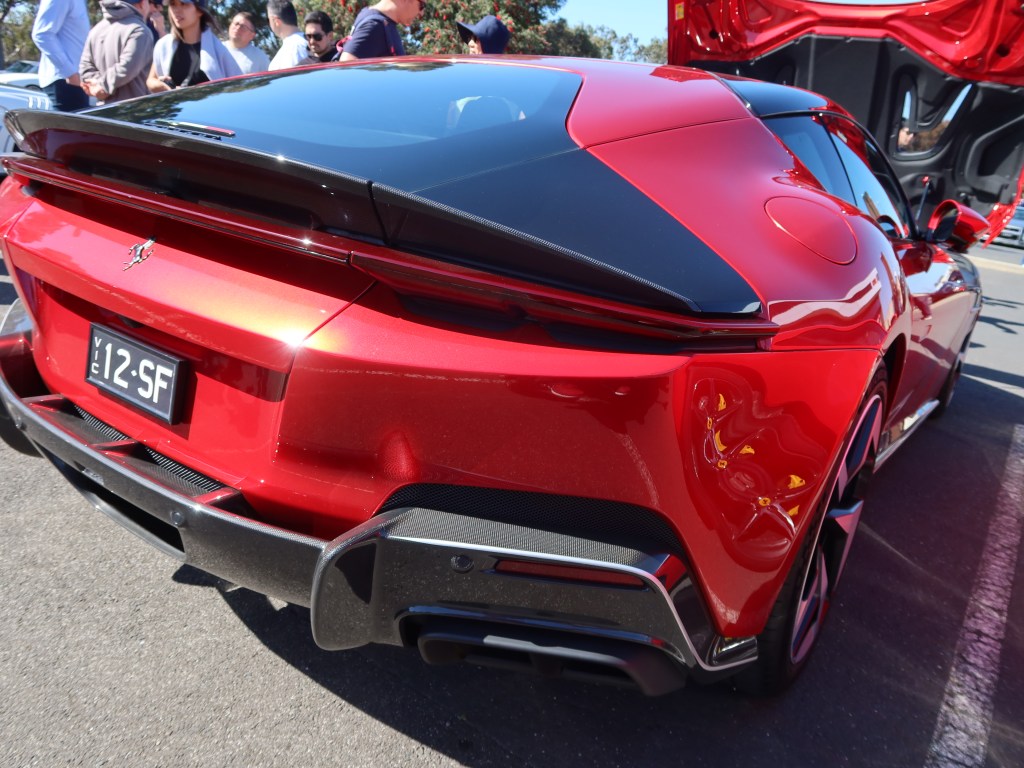
There is something utterly alluring about a V12 engine. They are the ultimate expression of internal combustion in the eyes of many, even if you have crazy 16 cylinder engines. In 2026, the automotive world clings on to the V12 by a thread as more and more brands ditch the unit. It does make sense from a rationality standpoint but we aren’t always rational, and a naturally aspirated V12 that revs above 9000 RPM is a monument to that. Hearing the big engine shriek as it accelerates is almost like the call of a critically endangered snow leopard – totally majestic and awe-inspiring. No wonder it attracted soo much attention. You can just understand the gravitas that comes with such a sighting.
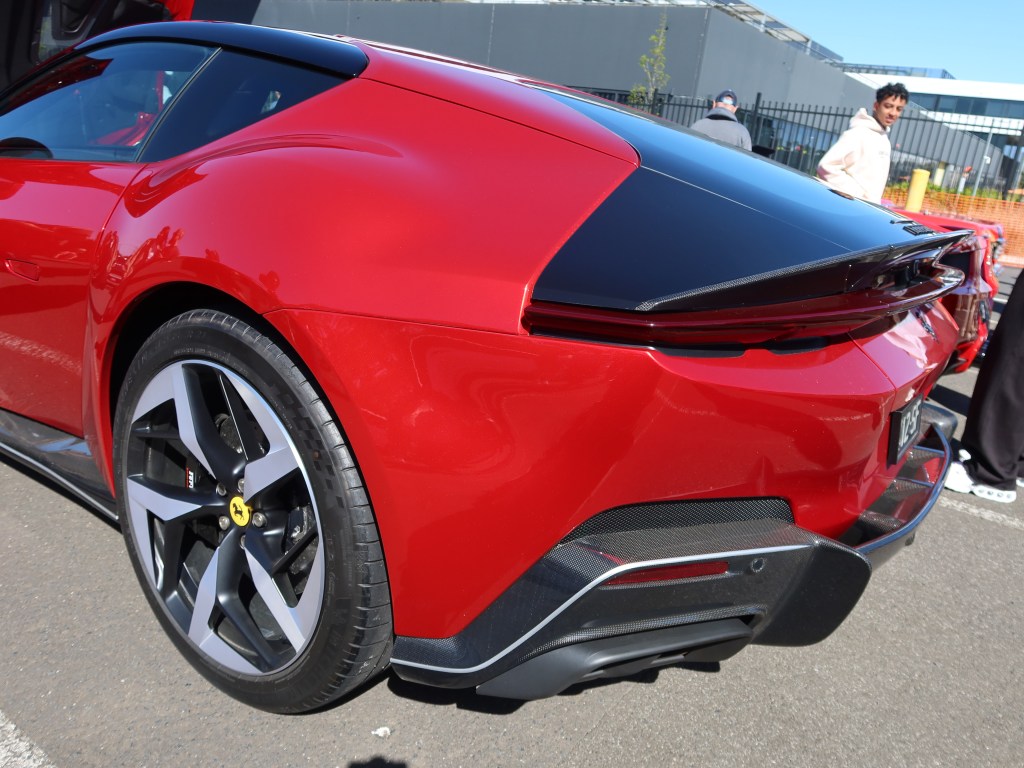
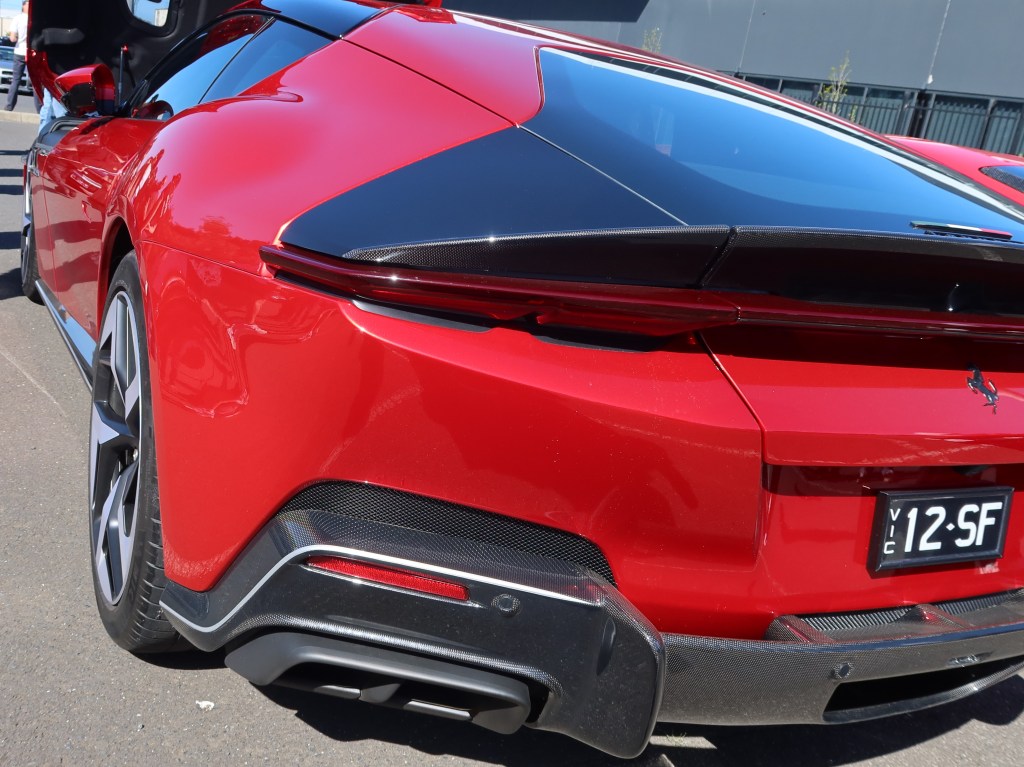
Who knows how long the V12 has. Jeremy Clarkson thought they’d be gone 13 years ago, but here I am talking about a V12 Ferrari today. I suppose he was fearmongering and assumed that everyone would just roll over to the regulators. Happily, that has not been the case and Ferrari refuse to go quietly into the night. They are the people keeping the V12 fire burning and I hope it continues because we need something aspirational to fuel our desire for mechanical engineering. It’s too good too lose.