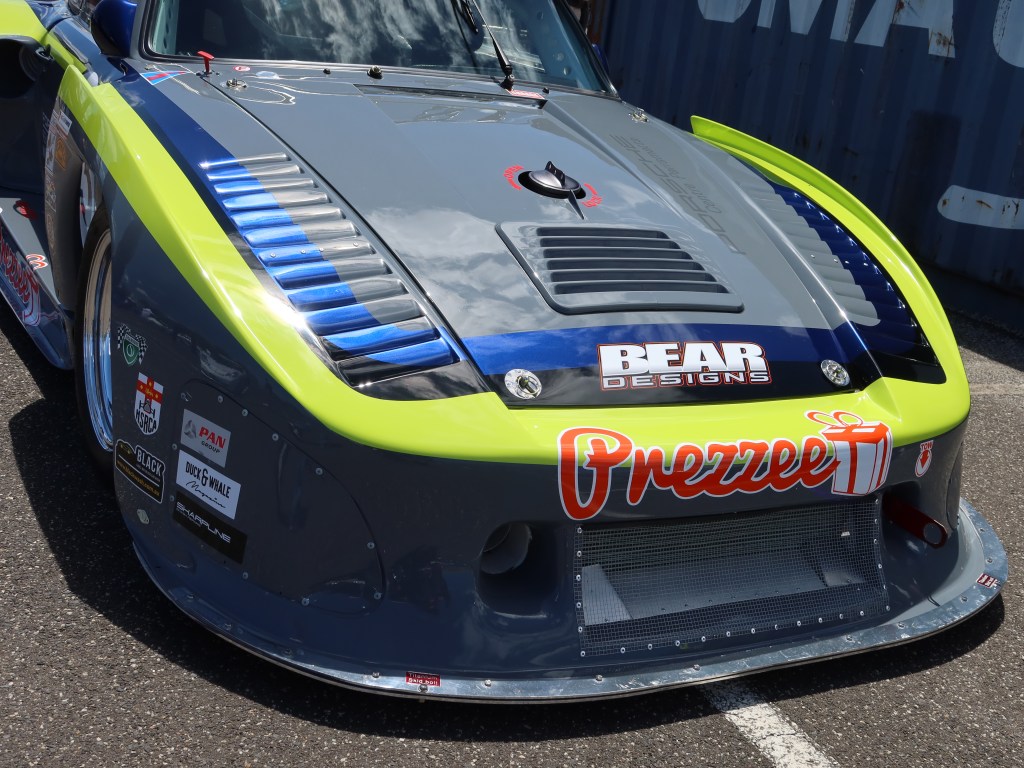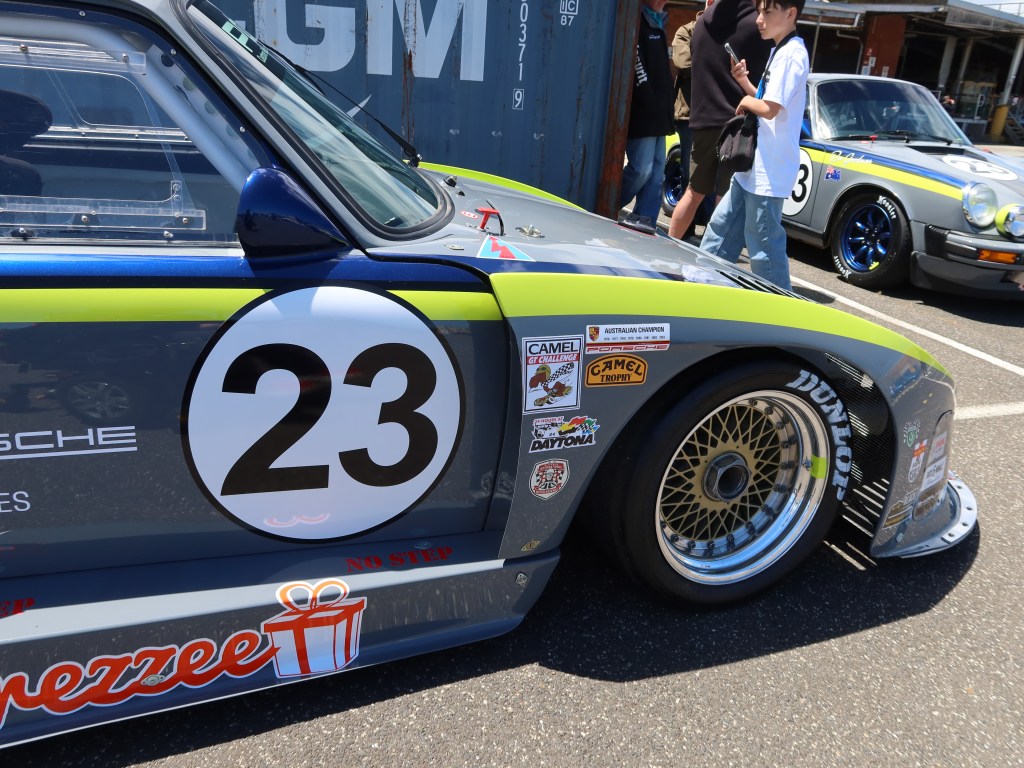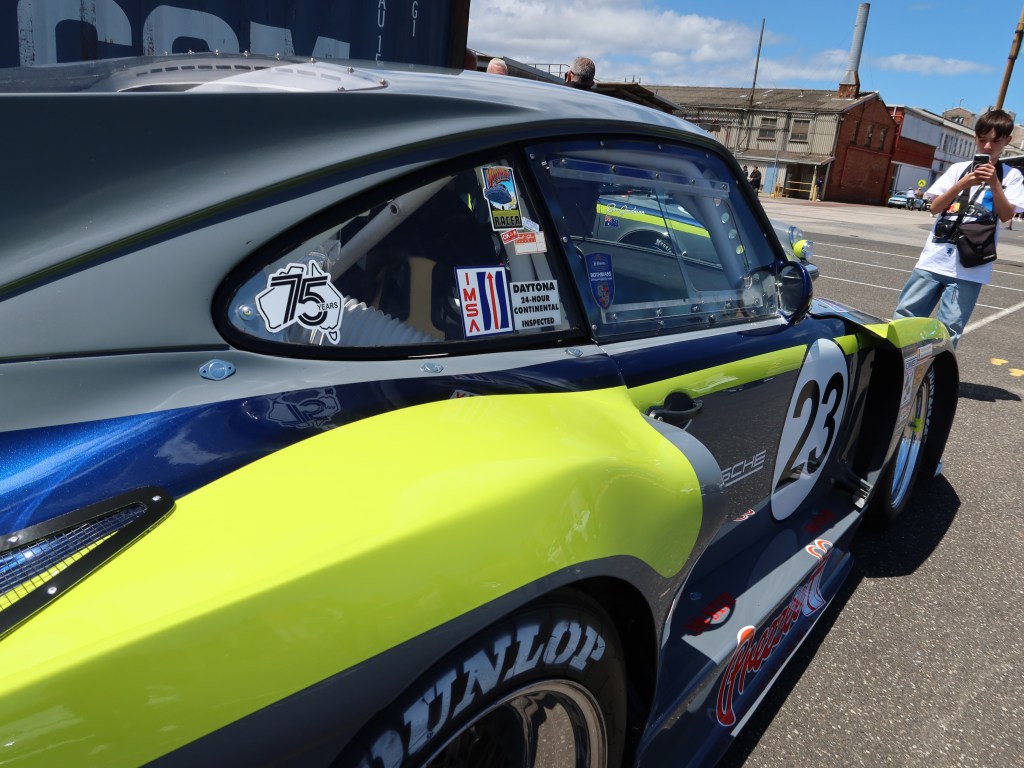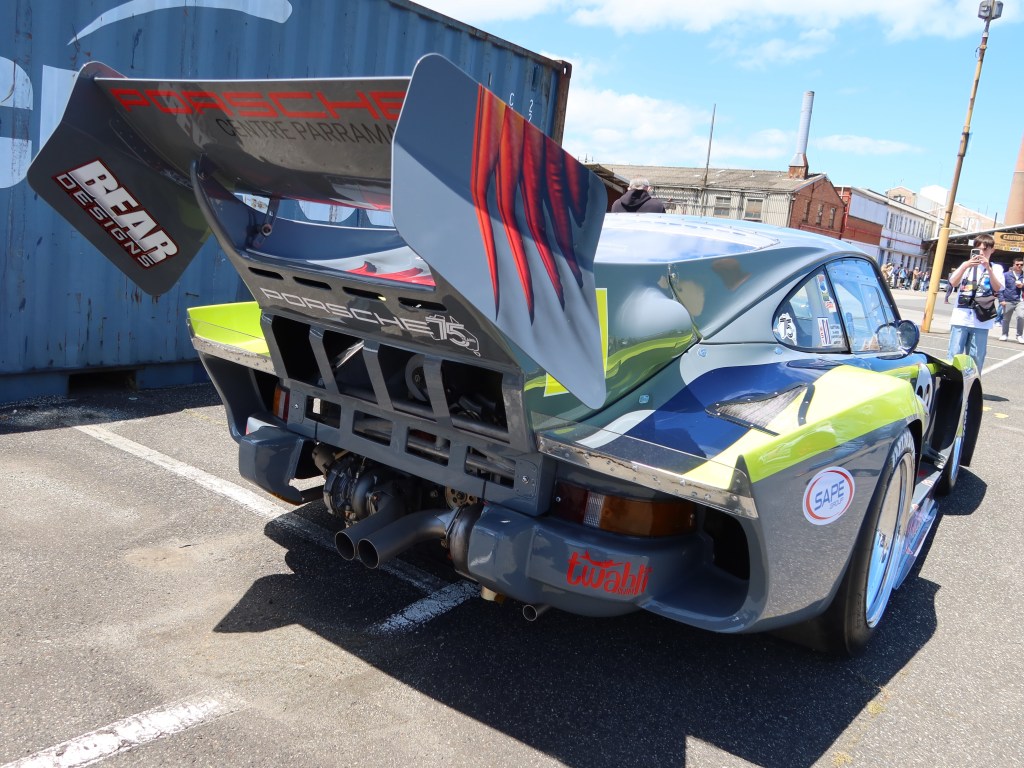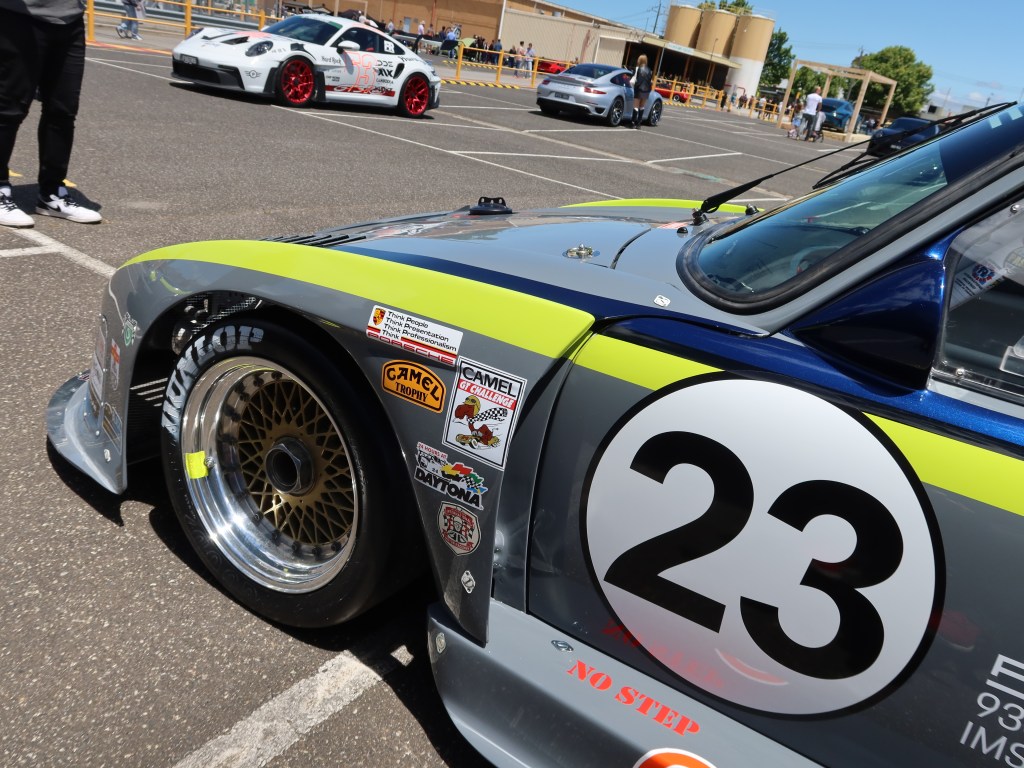
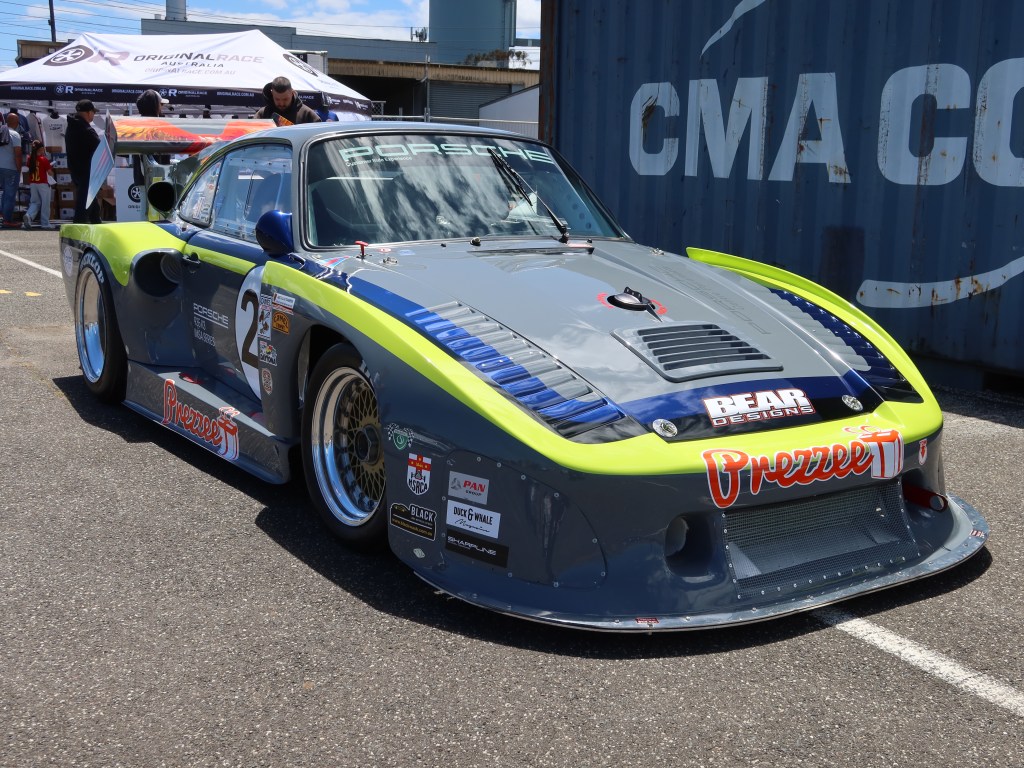
Porsche’s involvement with motorsport has been a part of the brand since the beginning, creating legends that we still talk about to this day. Whether they’re road based GT cars or top line prototypes, Porsche has always been at the forefront when it comes to sports car racing. Back in the late ’70s, a truly mad monster emerged to tackle the greatest tracks on planet Earth – the 935. This turbocharged demon spawn was absolutely unhinged with striking bodywork and wild performance that had the competition running scared. It even won the world’s biggest car race, the 24 Hours Of Le Mans, in 1979 – showing up the Group 6 prototypes in the process. This car is one of the best to ever grace a grid and is one of my all-time favourite racecars.
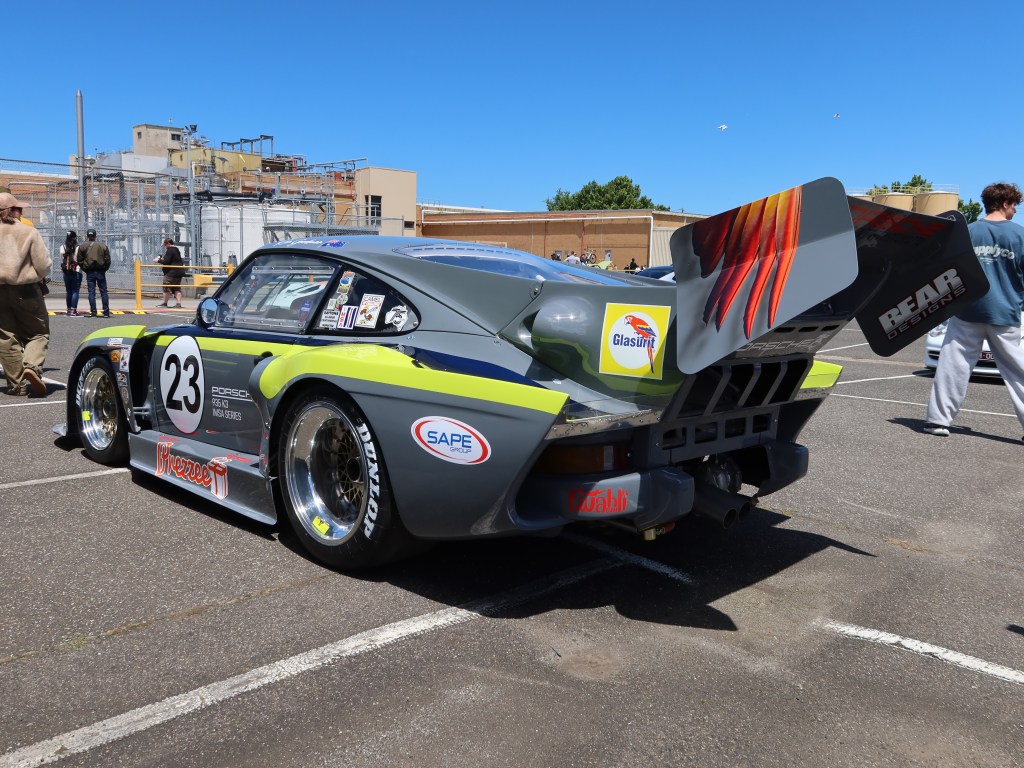
The Group 5 ruleset was a small one, so manufacturers really pushed the limits of both aerodynamics and engine power. Group 5 was one step below the Group 6 class, which ultimately became the Group C Prototype class. As long as your car was “road-based”, it was allowed to compete. Plenty of mad-cap creations followed, with space-frame chassis being the norm due to their light weight and rigidity. This was before the age of carbon-fibre monocoques. Porsche rolled up with their 935 in 1976, based on the 930 generation 911. Soon enough, the car evolved dramatically to feature a slanted nose, a ridiculous widebody and more power. Privateers, like Kremer, took the 935 above and beyond to deliver plenty of silverware for Porsche. This variant here, the K3, is totally insane and produces 845HP with the boost turned up.
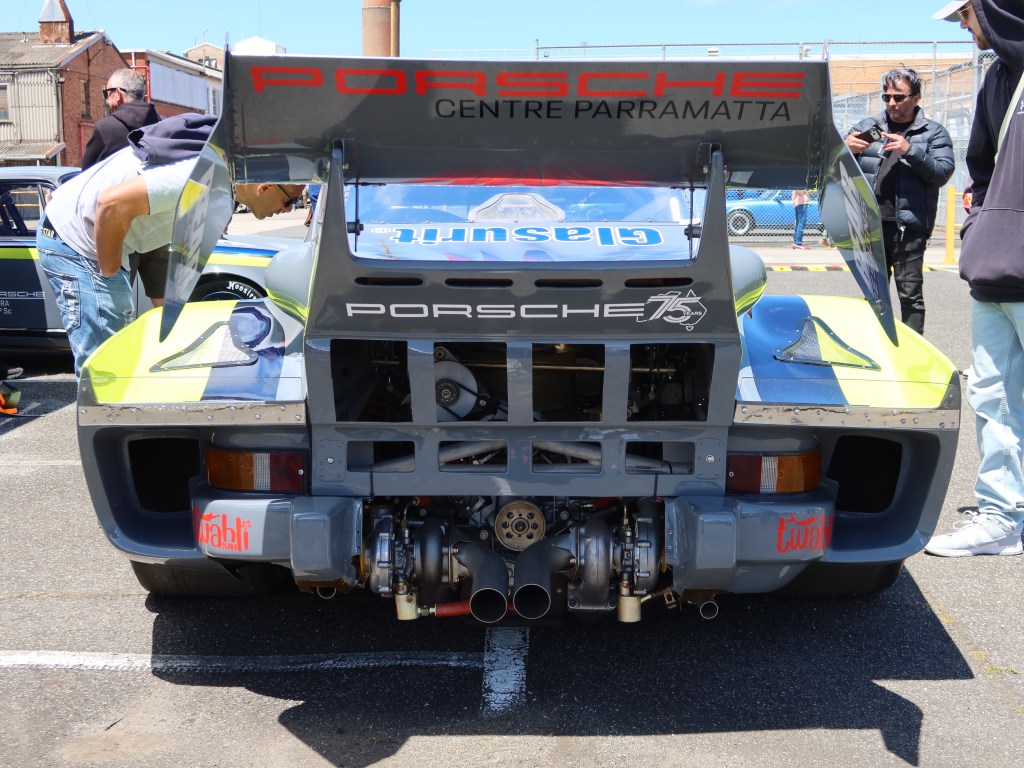
I don’t know what this car’s competition history looked like before it was acquired by current owner Ron Goodman, but it looks to have seen plenty of historic racing. Ron is a bit of a legend here in Australia with an impressive collection of old Porsches – most of which he actually races. He’s gone to historic venues such as Laguna Seca and Indianapolis, showing the Yanks that a plucky Aussie can hang with the best. Having him come down from his Sydney workshop to show off two wonderful cars really gives creedence to the legitimacy of Art Neun.
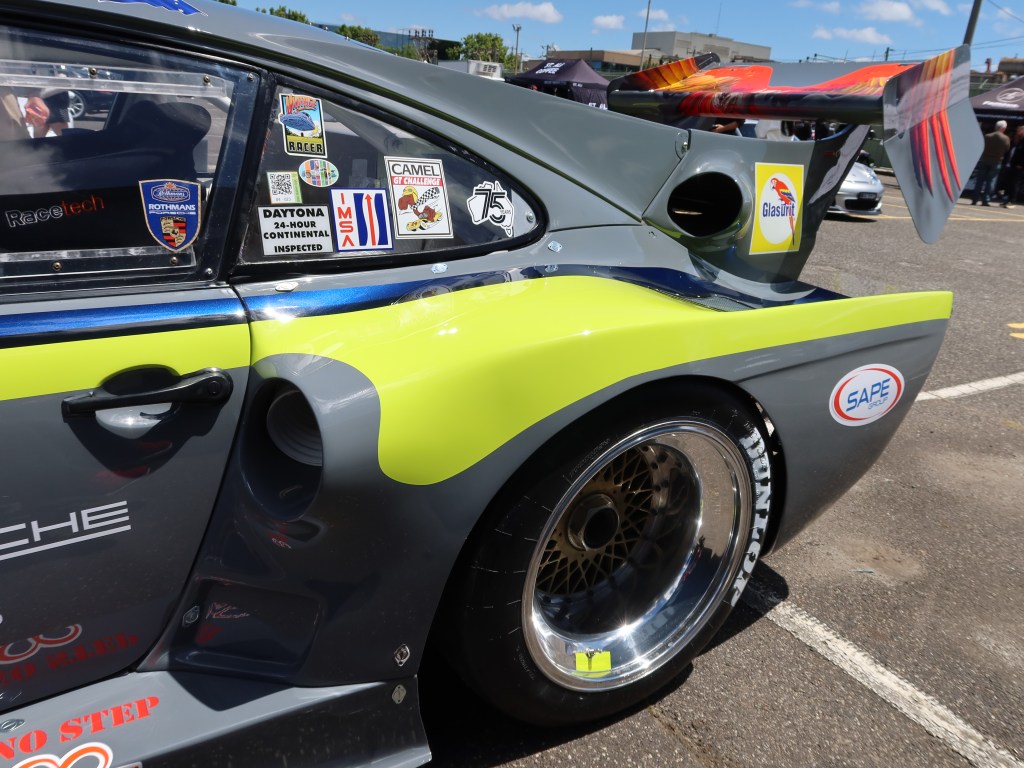
Handling a car capable of producing over 800 HP with two laggy turbochargers required serious balls when you didn’t have any electronic assists to help put the power down. It was all down to you and that’s what made it such an intimidating car. The rear-engined layout didn’t make things any better, so you had to be focused or else the car would murder you at the drop of a hat. Getting behind the wheel must’ve been an exhilarating experience for those mad enough to strap themselves into the driver’s seat. It’s the sort of feeling that never gets old and one massive reason why Ron got his hands on this particular car. What’s more is that he’s made it his with a livery it never had during it’s prime.
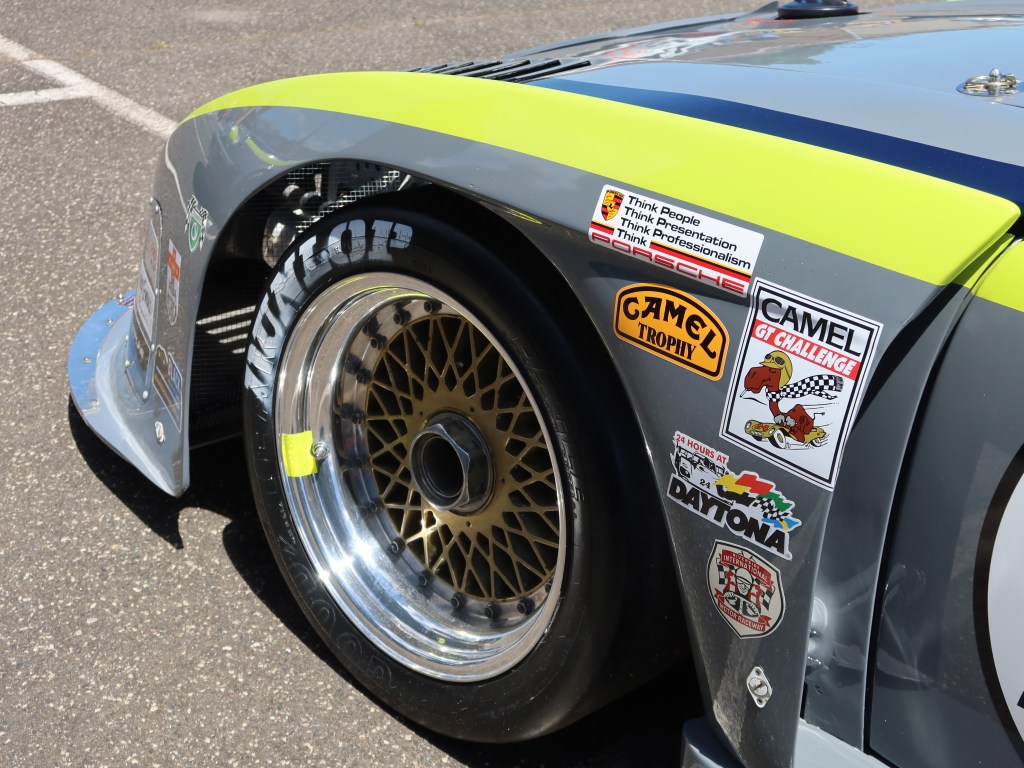
Raecars these days are refined right down the millimetre. Everything is precisely calculated to deliver the best possible results, which can honestly feel boring sometimes. Seeing a car from an era without tonnes of data to inform it’s creation is refreshing and gives you a better understanding of the madness that was Group 5. The lack of refinement is what made this car such an endearing beast for those who drove it and the spectators who witnessed it. Driving a racecar is a skill and the 935 was very much a vessel for such displays of it.